

Queridos/as Amigos/as
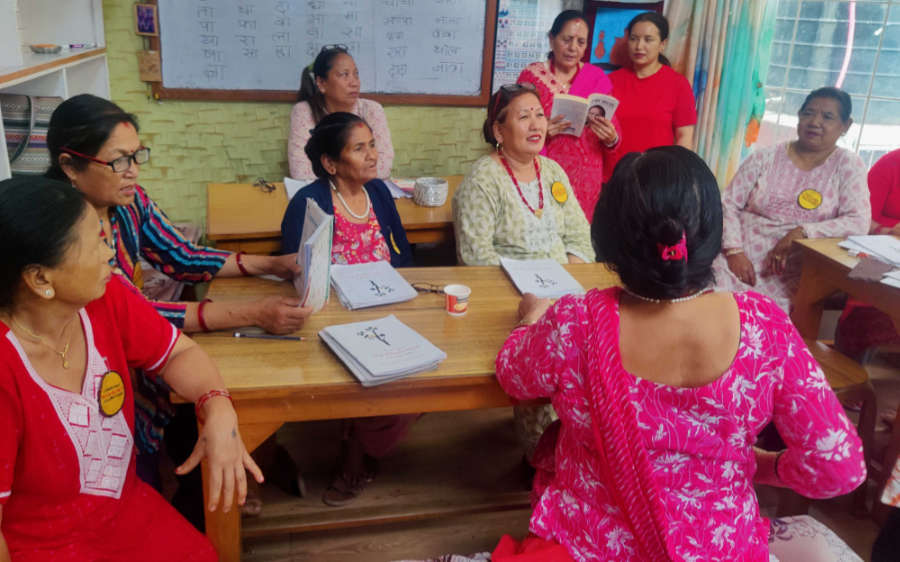
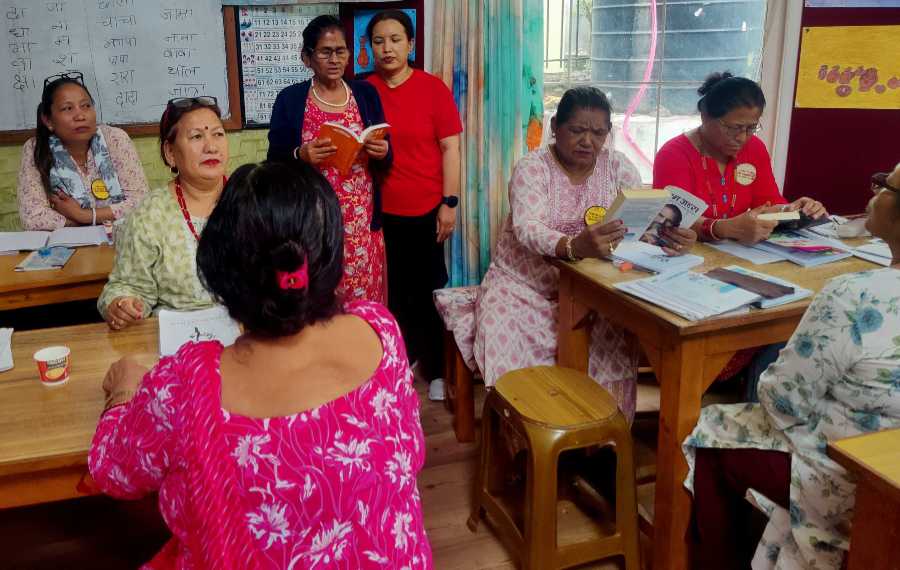
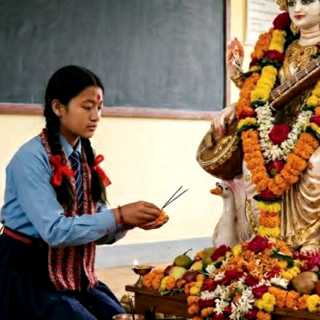
Si siempre me sorprende agradablemente la gran actividad pedagógica de las 3 profesoras Shanti, Sadikshya y Eureka de nuestro Cultura Center EL NIU FELIÇ – THE KHUSHI NEST de Katmandú (Nepal), este mes de Mayo creo que han puesto el listón más alto con su eficacia.
Os resumimos lo que han hecho a ver si estáis de acuerdo:
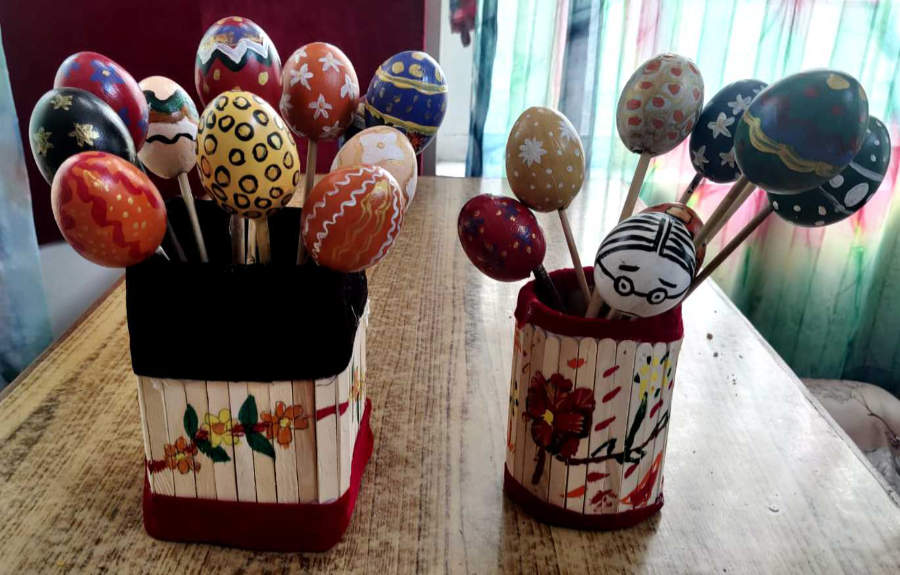
- celebración de la Pascua pintando huevos
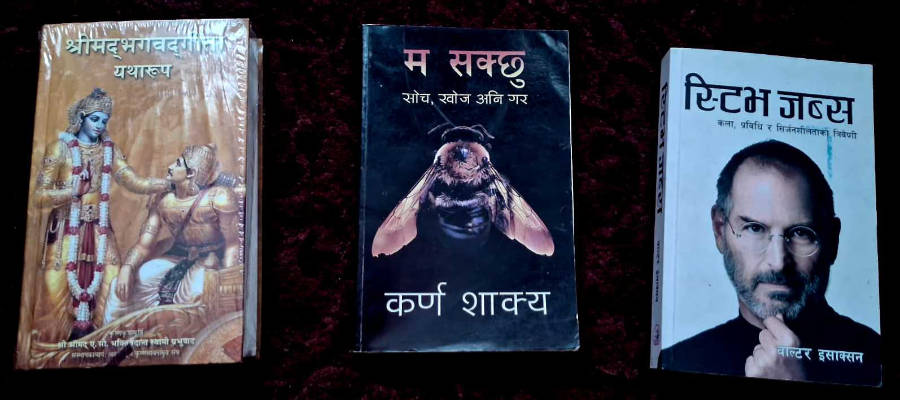
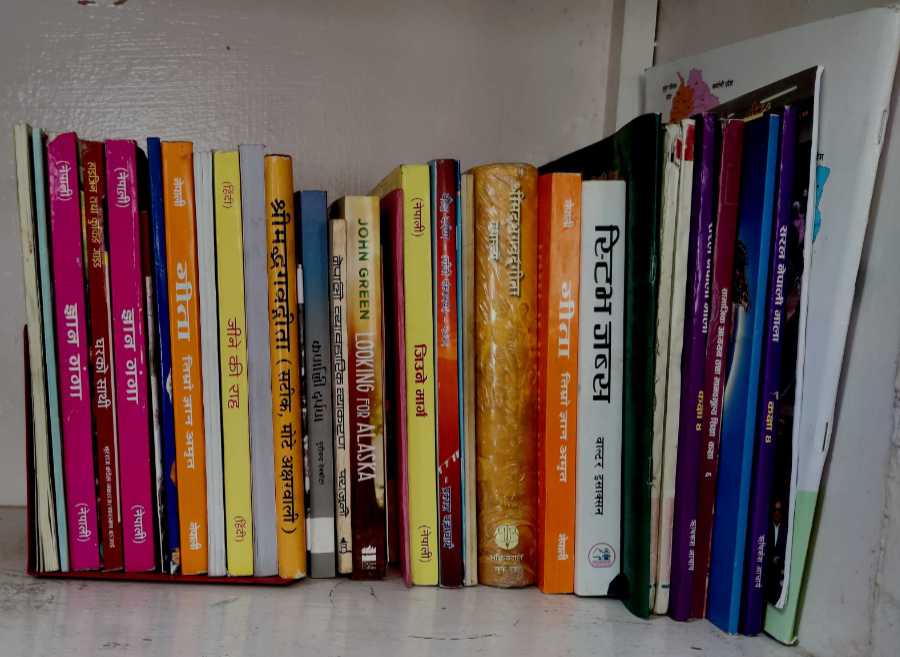
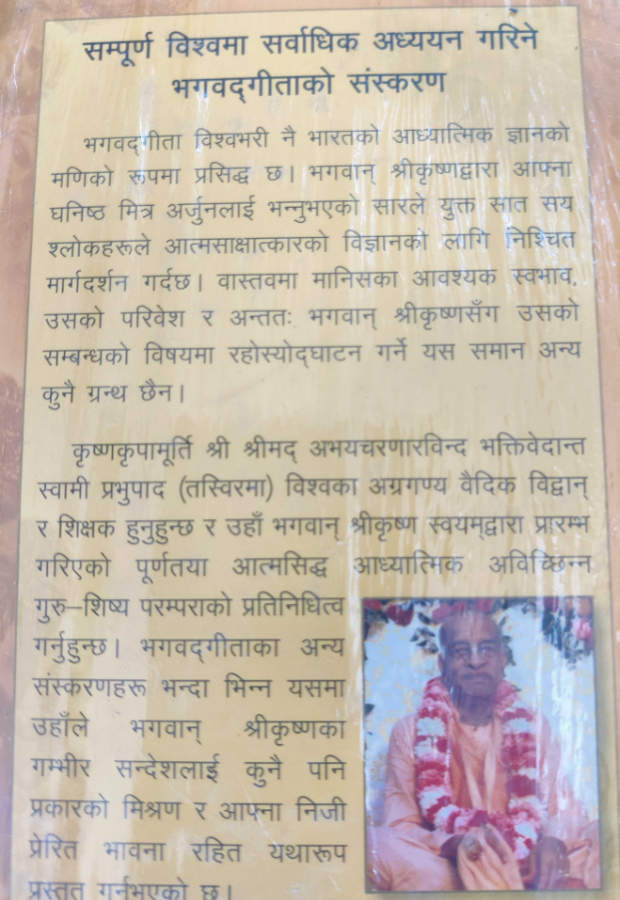
- celebración de Sant Jordi comprando 3 libros que quedarán en nuestra Biblioteca, después de ser leídos por las alumnas con la ayuda de las 3 profesoras
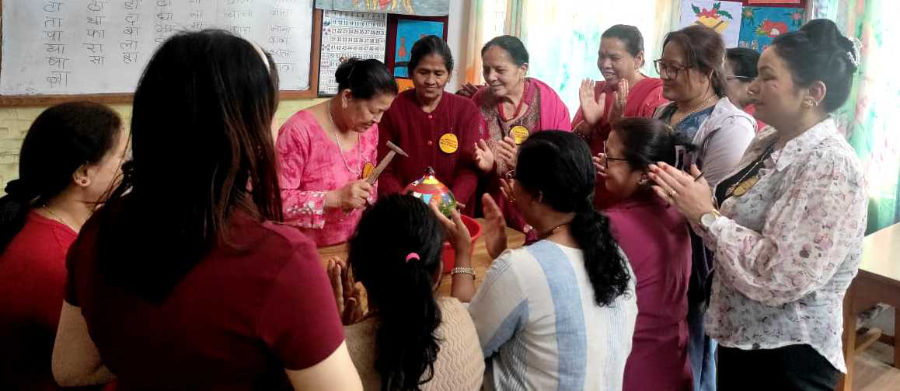
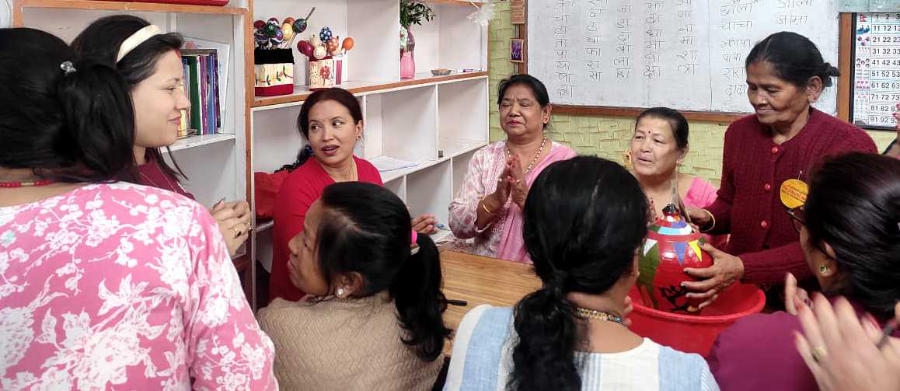
- contar el dinero recogido en nuestra hucha durante todo el año
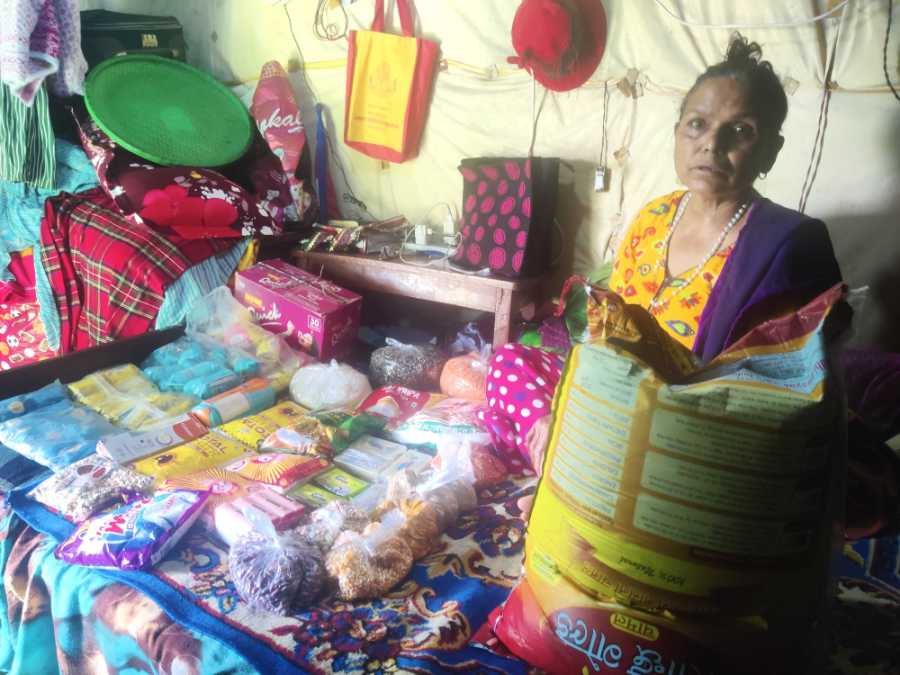
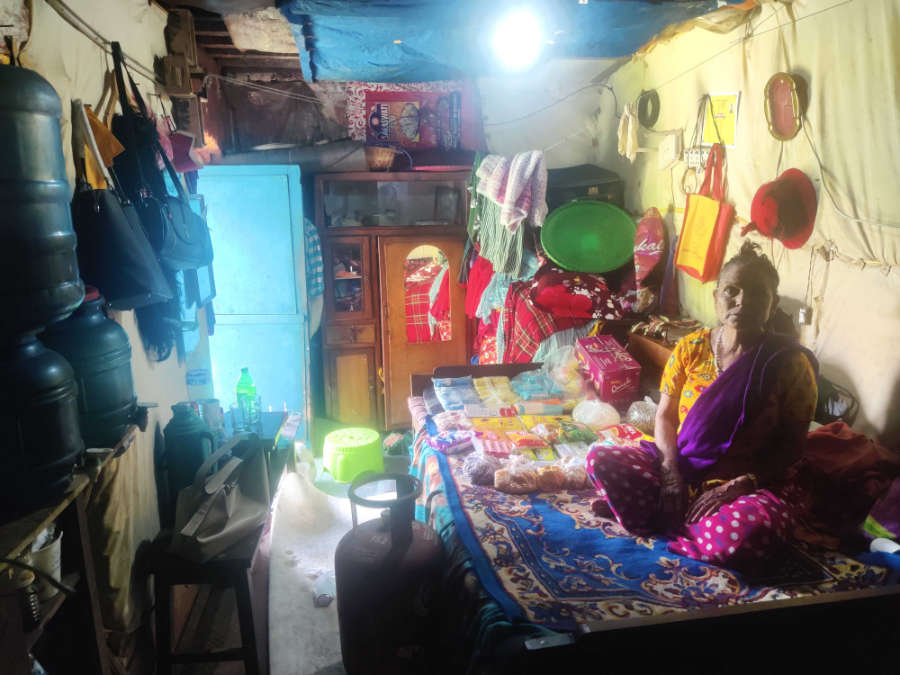
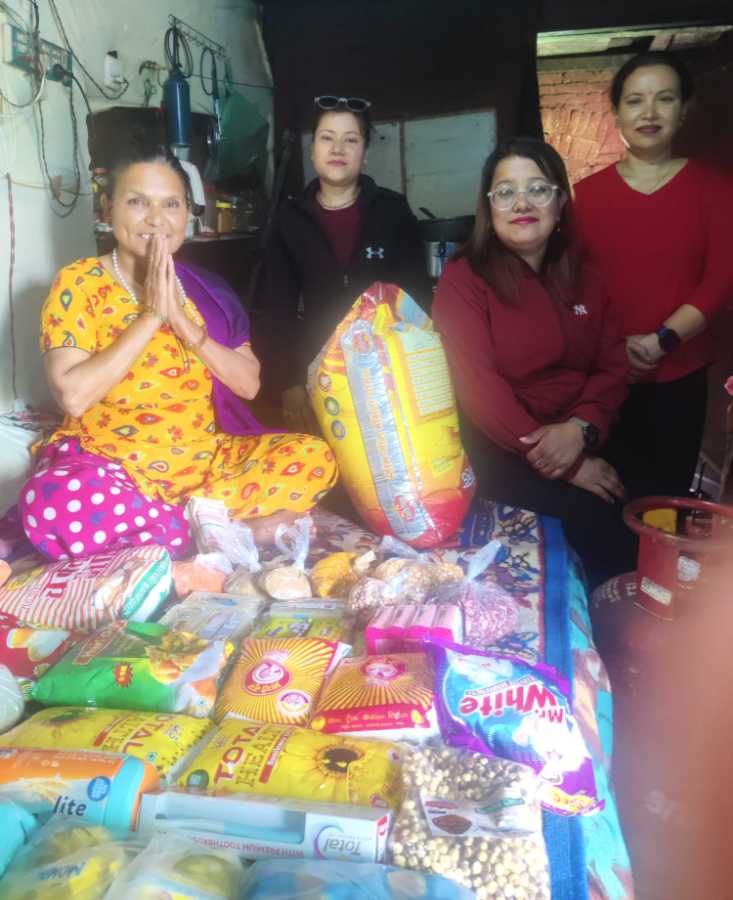
- con este dinero recogido han comprado cosas que necesitaba la Viuda y se las han entregado a ella después de hacerle un poco de compañía
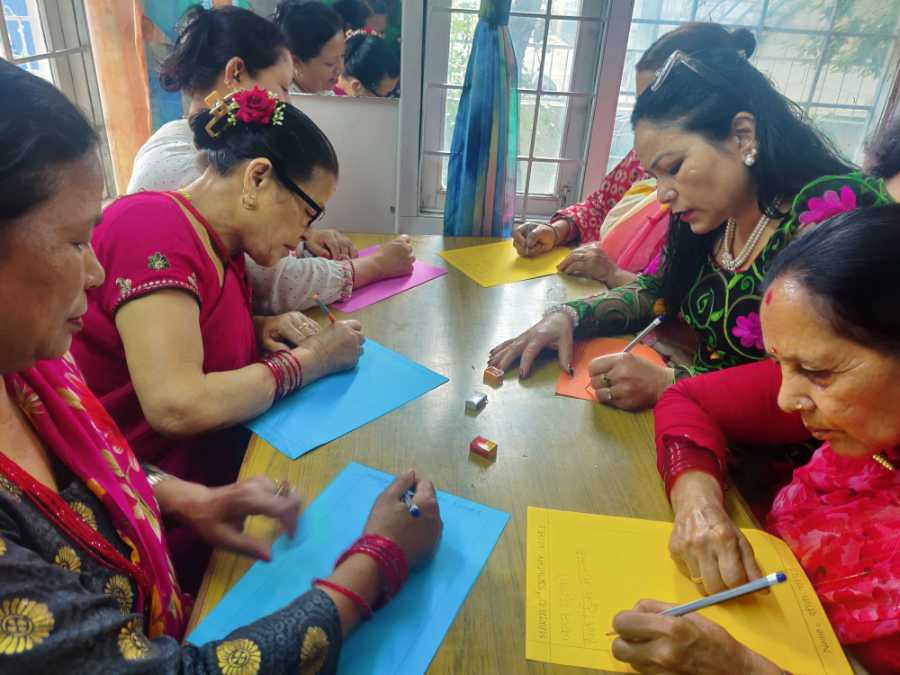
- ayudar a las alumnas a que escribieran buenos deseos para la Fundadora que acaba de cumplir 82 años
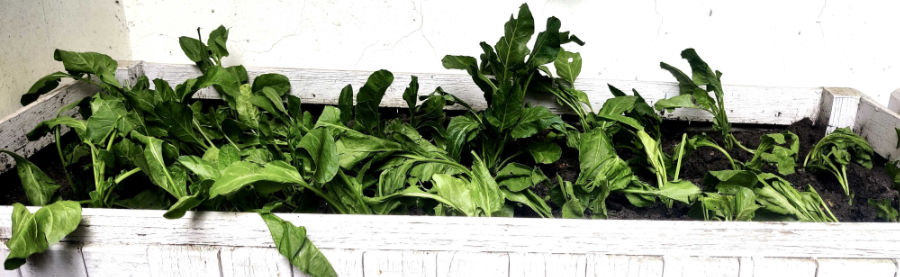
- han cuidado nuestro huerto
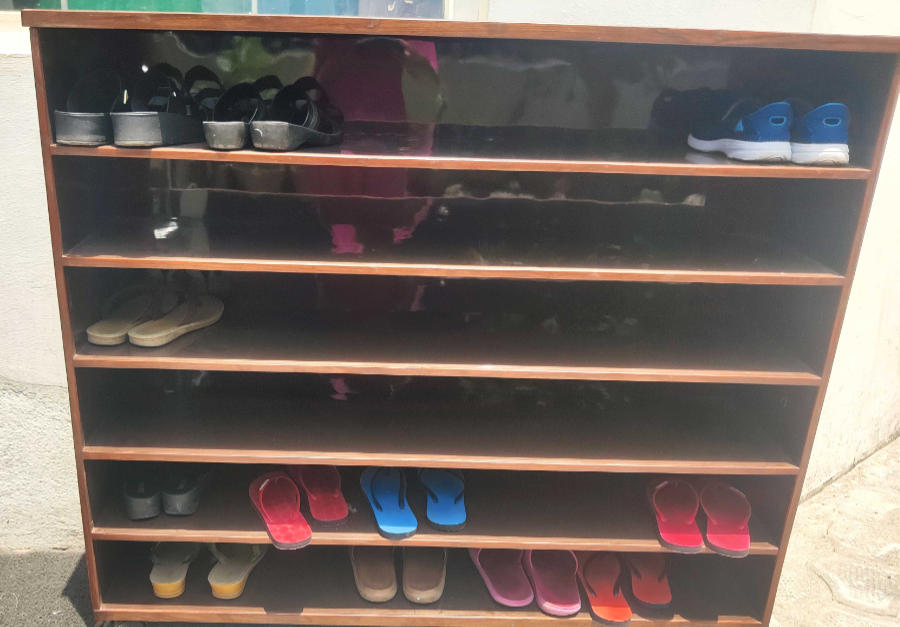
- han conseguido 3 alumnas nuevas que ya han estrenado nuestro zapatero
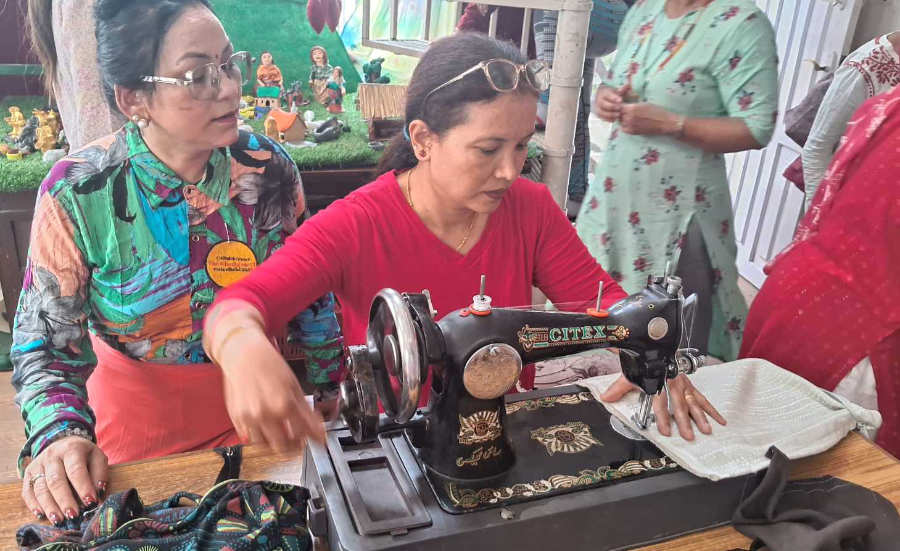
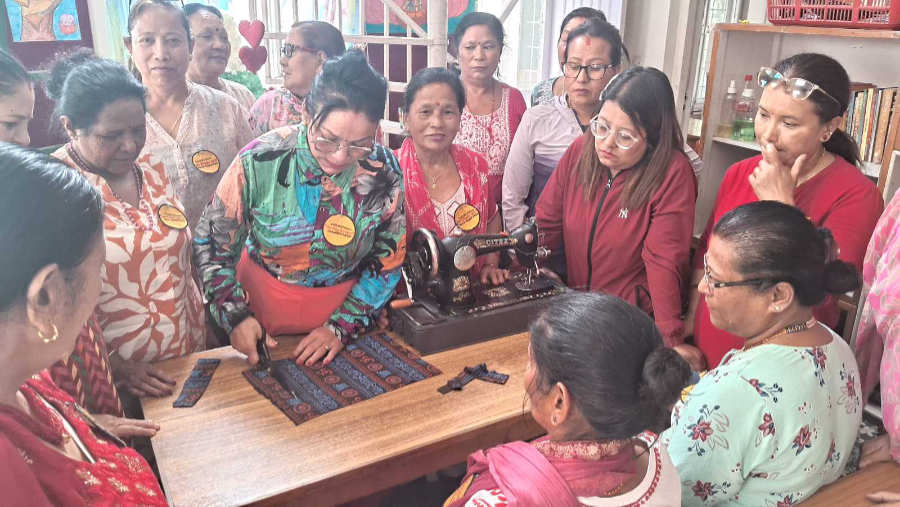
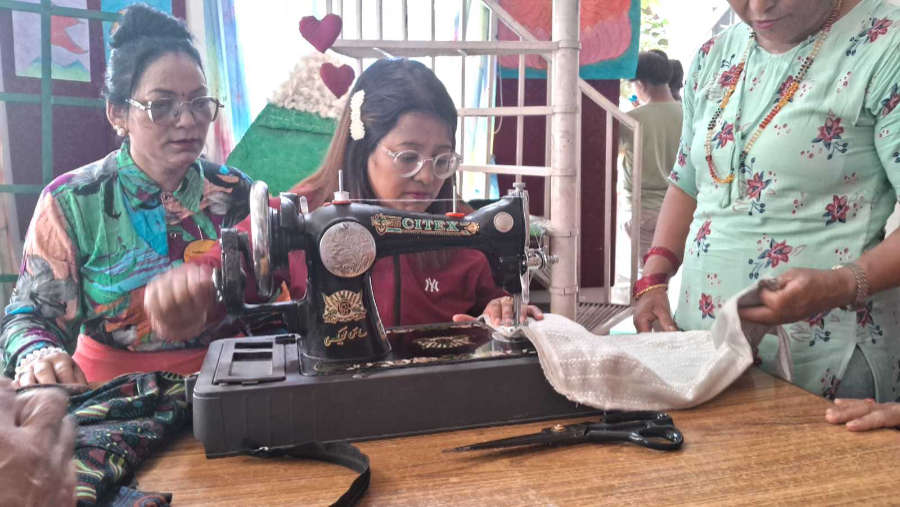
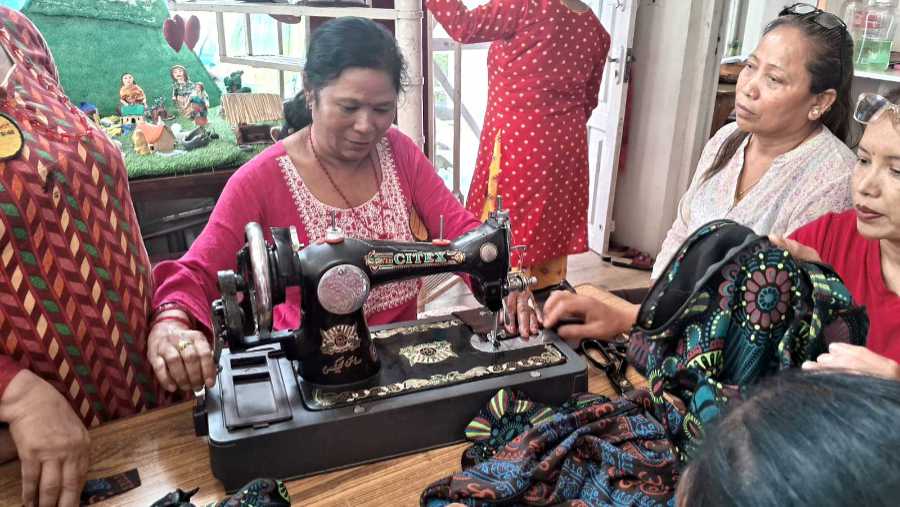
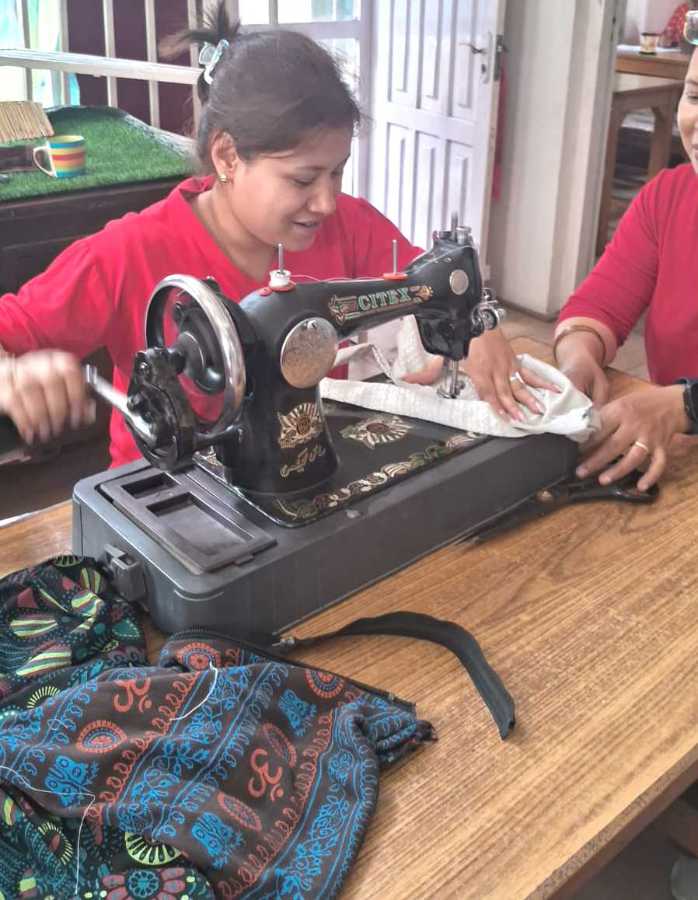
- han cosido unas bolsas de colores que a todas las alumnas les han gustado mucho
- las alumnas también han participado activamente haciendo unas Fotos de lo que se encuentran en su Vida diaria, para sensibilizarse ante la belleza que nos rodea
¿Estáis de acuerdo conmigo de que se merecen unas ¡¡¡FELICIDADES!!! en negrita?
Todo el equipo también os FELICITA a vosotros por la atención que ponéis en lo que hacemos a diario.
Recibid un Gran, Fuerte y Cálido abrazo de todos nosotros
continuará…
Cultural Center EL NIU FELIÇ – THE KHUSHI NEST
THE KHUSHI NEST TIMES
DIFFERENT PHASES OF WOMEN
27th May 2026
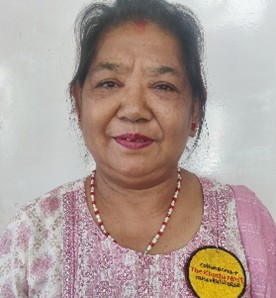
JWALA BAJRACHARYA
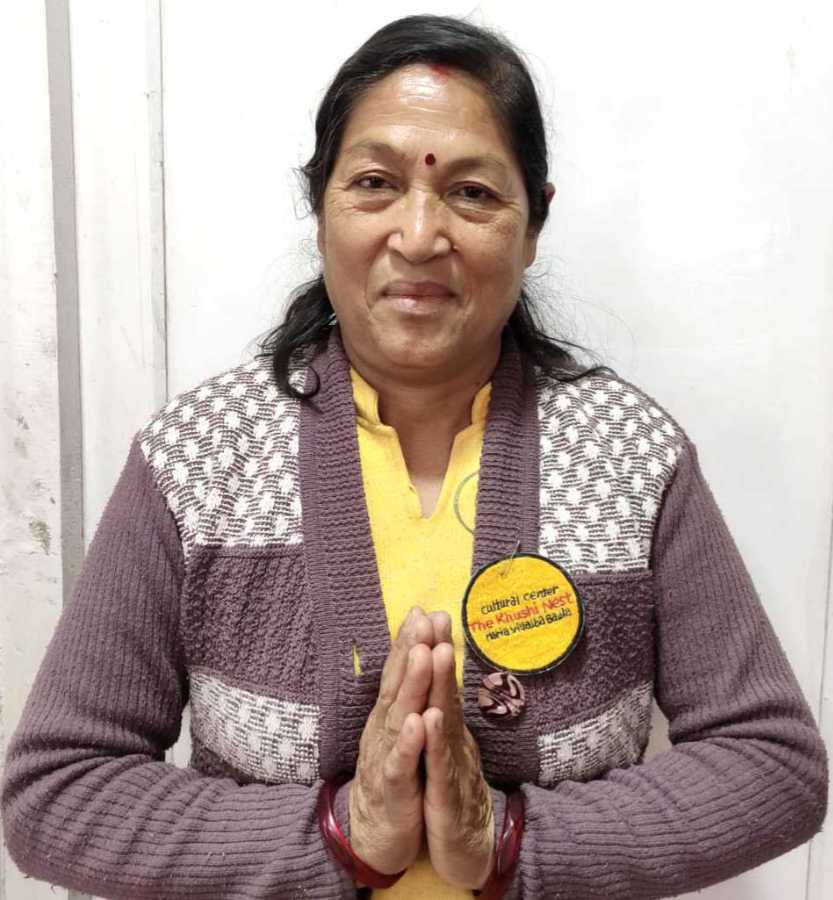
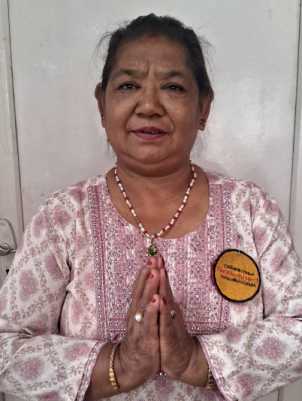
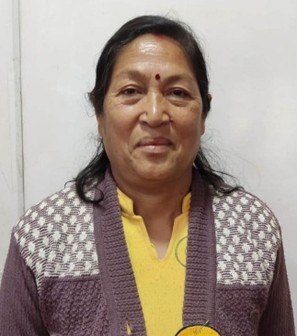
Namaste I am Jwala Bajracharya from Maruhity(basantapur durbar square). I am very surprise to know in the old age like us there is an organization TKN run by foreighner. My friend Dev laxmi told me and she bring me here. I think I will be able to learn and write. Thank you for the opportunity to all the teachers and Maria mam.
BISHNU TARHI MAHARJAN
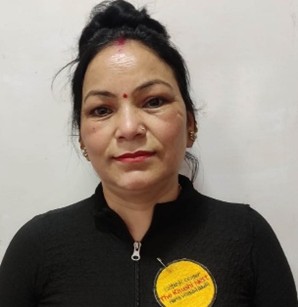
Hello, Namaste! My name is Bishnu Tarhi Maharjan. I am from Chamati. I have studied to grade two in village but in many years ago girl need to engage in household work so my parents did not let me go to school but I was very good in study. I had sacrificed many opportunities in my life. Married with husband also could not work out, after giving birth to a boy, when he was grown up. I could not stay with husband as he had an affair with another lady so we got separated since then. I am staying in another room with my son. I am from Kirtipur. After coming here, Ganesh Maya friend brought me to TKN. I am very much happy to be able to read, write and learn Nepali and Math. Able to learn many workshop as well so Thank you to Maria mam and all three teachers.
ANISHA ADHIKARI
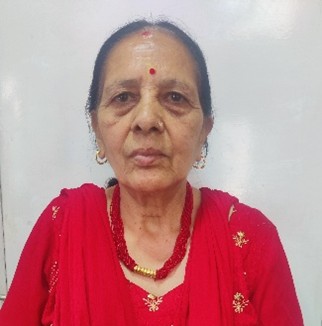
I am Anisha Adhikari from Sitapaila. I have tailor shop of my own. My husband also has cold drin shop. We help ecah other. I have son who stay in United kingdom and daughter also study and do job. I donot have suffer from any problem. I want to study so Man Maya friend brought me here to be able to study, read and write. I am very thankful to her. I am also able to learn many workshop, many subject as well. Thank to to all three beautiful teachers and Spanish Maria mam. God bless you.
SITA PANDEY
I am Sita Pandey from shorkhutte. I am one of the old student. I used to come at old Khushinest when it was at khushibun. At this age also I want to study, and want to be able to write and read. I study in my room at free period as I need to cook food, I have family but my son and daughte in law need to go to work. So sometime my grand son teach me. I am pure brahman so I forllow hindu culture, I donot go anywhere and donot eat anything outside. I feel happy to do it but many people cannot follow it and do it.
I am studying Nepali, Math and english. I am happy learn it than workshop. According to my view, in this age able to read, write and study is far enough then learning workshop because we cannot do all sort of workshop in this time. Thank you to Maria Mam and three teachers.
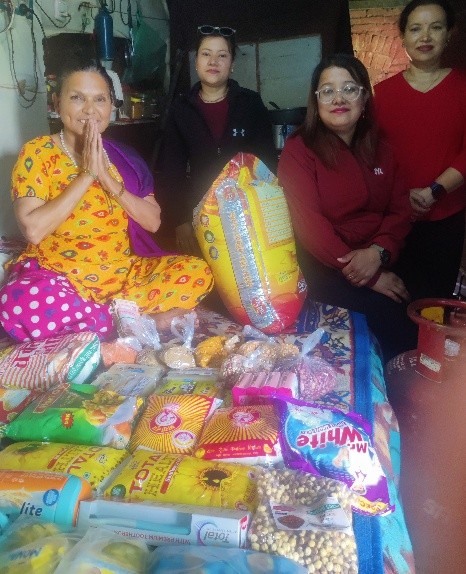
She is a widow. her husband died many years ago. Her name is Rita Poudel. She lives in Bijeshwori in one room. She needs to pay 4000 rs. She works in mongolian funeral labour. She has one son, he lives separately. After visiting her home we came to know she doesn’t have any food to eat and her condition is very poor. After receiving help from us. She became very happy. She thanks Maria, all women and teachers as well.
From piggy bank that we collected cash from the women in every festival and celbration. We earned 9405 ruppes, this money we used for food such as; one packet Rice,black pulse and red pulse, sugar, salt, sunflower oils, detergent, washing clothes soap, washing dishes soap, biscuits, noodles, teas, food masalas( cumin, chilli, turmeric powder),soybean, wheat flour, Maize, lite horlics, tooth paste and tooth brush, face wash soap, mix beans.
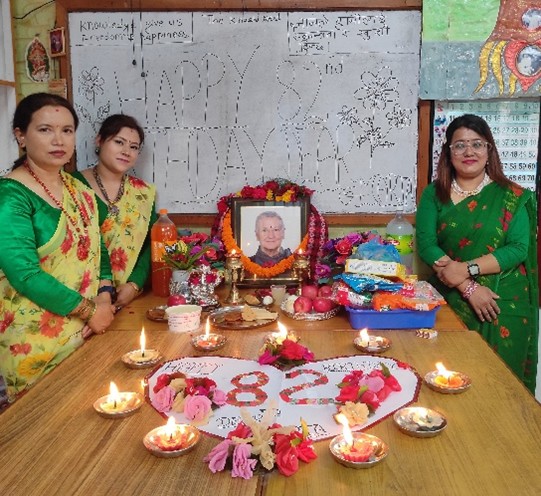
Happy belated Birthday to Dearest and Beautiful Founder Maria. We all miss you and love you. 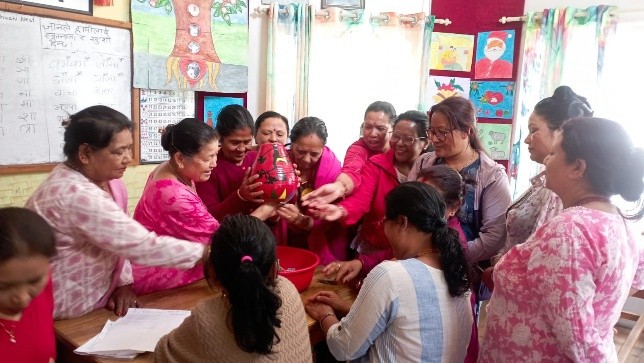
Widow Piggy bank breaking
MARIA VILLALBA BADIA, FOUNDER
I WANT TO SHARE ABOUT THE PHRASES USEFUL IN OUR LIFE.
- …MI PAZ NO ES NEGOCIABLE (Lao Tse)
My peace is non-negotiable. (Lao Tzu)- In English - …ELLOS TE QUITARON EL ROSTRO, PERO NO TE QUITARON LA VOZ, ÚSALA (Manisha, afgana)
They took your face, but they didn’t take your voice. Use it. (Manisha, Afghan)- In English - …PREFIRÍ MORIR INTENTANDO SER LIBRE, QUE VIVIR PARA SER SIEMPRE PRISIONERA (Bibi Aisha, afgana)
I preferred to die trying to be free than to live to be a prisoner forever. (Bibi Aisha, Afghan)- In English - …IREMOS A LA HOGUERA, ARDEREMOS PERO NO RENUNCIAREMOS A NUESTRAS CONVICCIONES (Nikolay Vavilov, botánocp y genetista)
We will go to the stake, we will burn, but we will not renounce our convictions. (Nikolay Vavilov, botanist and geneticist)- In English - …UNA MENTIRA CÓMODA, SIEMPRE SUENA MEJOR QUE UNA VERDAD DIFÍCIL
Comfortable lie always sounds better than the truth. DIFFICULT- In Englsih - …LA PERSONA ESTÁ AHORA CON INFORMACIÓN, PERO ESTÁ FAMÉLICA DE SABIDURÍA
The person now has information, but is starving for wisdom – In English - …LA BELLEZA SALVARÁ EL MUNDO (Dostoievski)
Beauty will save the world (Dostoievski) – In English
SHANTI MAHARJAN, TEACHER
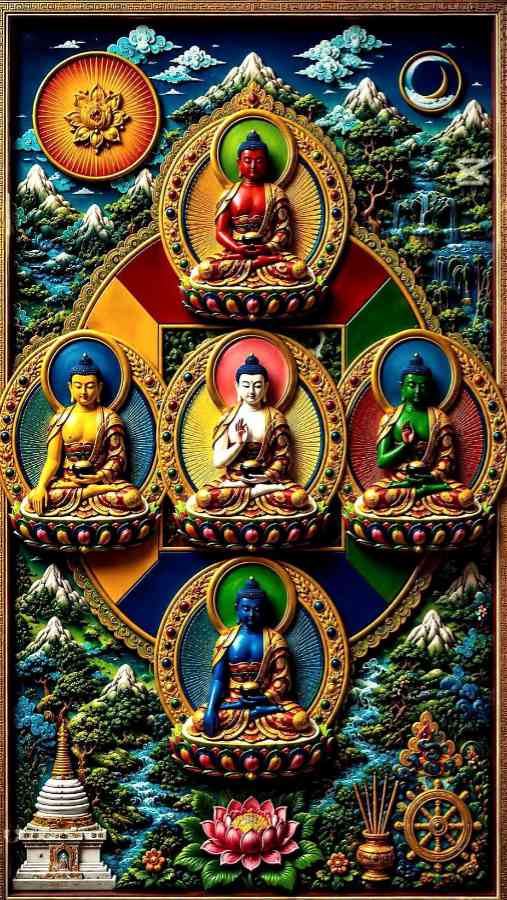
I want to share about Buddhism.
Buddhism in Nepali is known as बौद्ध धर्म (Bauddha Dharma). Deeply intertwined with the country’s culture, it is often practiced alongside Hinduism. Core Buddhist philosophies like peace, karma, and the Four Noble Truths are widely discussed in the Nepali language through various texts, discourses, and media.
Essential Buddhist Terms, Key concepts translate into Nepali as follows:
- Buddha: बुद्ध (Buddha)
- Gautam Buddha: गौतम बुद्ध (Gautam Buddha)
- Dharma / Teachings: धर्म (Dharma)
- Sangha (Community): संघ (Sangha)
- Nirvana: निर्वाण (Nirvana) or महापरिनिर्वाण (Mahaparinirvana)
- Karma: कर्म (Karma)
- Compassion: करुणा (Karuna)
- Peace: शान्ति (Shanti)
- Four Noble Truths: चार आर्य सत्य (Chaar Arya Satya
Core Philosophical Texts: Traditionally, sacred Buddhist texts in Nepal have been preserved in languages like Sanskrit, Pali, and Newari (Nepal Bhasa). Today, these philosophies are frequently translated into and taught in the modern Nepali language.
The Four Noble Truths: Teaches that suffering exists, it has a cause, it has an end, and there is a path to the end of suffering.
The Eightfold Path: The practical path to liberation, focusing on wisdom, ethical conduct, and mental discipline.
The Nine Dharma Jewels: Traditional Mahayana texts deeply revered in Nepal, including the Prajnaparamita Sutra and Lalitavistara Sutra.
URIKA PRADHAN, TEACHER
I want to share about the lifestyle and culture of Karnali province in Nepal. As I also took philosophy class to The Khushi Nest women.
Karnali Province is a beautiful land in western Nepal with a rich, ancient culture and a simple way of life. It is the biggest province in the country. High mountains and deep valleys shape how people live here. For a long time, this area was cut off from big cities. Because of this, the people have kept their old traditions alive for hundreds of years.
Daily Life and Work Life in Karnali is hard but deeply connected to nature.
Farming: Most families grow their own food on steep hills.
Herding: People raise sheep and yaks in the high mountains.
Yarsagumba: Many locals climb high peaks to pick this valuable herbal medicine.
Walking: People walk long trails because many villages do not have roads
Unique Culture and Beliefs
Karnali is the birthplace of the Khas language, which became the official Nepali language. The area has unique spiritual beliefs.
Masto Cult: People worship nature spirits called Masto deities.
Shamanism: Local shamans, called Dhamis, perform rituals to heal the sick.
Buddhism and Bon: In the high north, like Upper Dolpo, people follow ancient Bon and Buddhist traditions.
Deuda Dance: People hold hands in a circle and sing poetic songs during festivals.
Local Food
The food in Karnali is simple, healthy, and organic.
• Marsi Rice: A rare, red rice grown in the cold valley of Jumla.
• Dhido: A thick porridge made from millet or buckwheat.
• Apples: Jumla is famous for its sweet, organic apples.
KHEMA SHRESTHA (SADIKSHYA), TEACHER
On May, Founder Maria and Professor Sadikshya of TKN has got birthday so I want to share some important subject; Newari culture birthday because many people do not know about it.
In the Newar community, birthdays are deeply rooted in spirituality and astrology, celebrated primarily according to the lunar calendar (Tithi) rather than the fixed Gregorian calendar. The culture emphasizes longevity, community blessing, and spiritual protection against negative energies, making these days highly significant religious milestones rather than just social parties.
Specific reasons and traditions shape how the Newars celebrate birthdays:
1. Celebrations Based on the Lunar Calendar (Tithi)
Instead of celebrating on the exact date of birth every year, the Newar community consults a birth chart or horoscope to find the specific lunar phase, star alignment, and date that mirrors the day of birth. This date changes every year, as it is tied to the moon’s movement.
2. Why Even-Numbered Birthdays Matter (Particularly for Children)
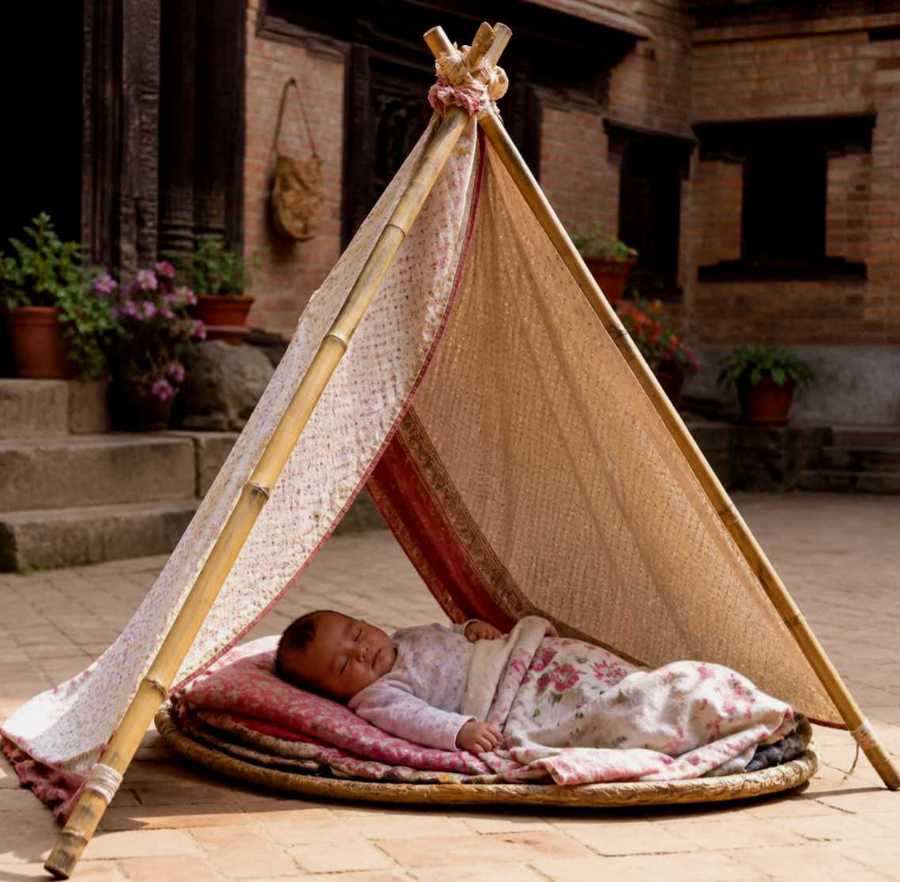
Traditionally, the first birthday is not celebrated out of caution and to prevent the child from evil spirits. The grand celebration begins on the second birthday (known as Nirbuni or Nirpunhi). For every even-numbered birthday (such as 2, 4, 6, 8, 10, and 12) until the child turns 12, the family performs a grand puja (worship) and dresses the child in a garland made of Yomari (a steamed rice-flour dumpling filled with sweet molasses). The even birthdays are prayed over to ward off harm and ensure the child’s smooth and healthy growth.
3. Spiritual Offerings instead of Blowing out Candles
Instead of cutting cakes and blowing out candles—which is traditionally viewed as inauspicious—Newari birthdays focus on kindling and maintaining light:
The Sukunda: An indigenous, ornate oil lamp is lit to guide the celebrant toward a bright future and to dispel the darkness of ignorance.
The Sagun Ceremony: An elder female relative blesses the birthday individual by offering Sagun, which usually includes a boiled egg, smoked fish, and Dhau (native yogurt). These items symbolize creation, prosperity, and good luck.
Offering Samay Baji: A traditional set of foods, including beaten rice, roasted meat, and ginger, is served to family, neighbors, and friends
4. Janku (Grand Old Age Milestones)
In Newari culture, living a long and healthy life is a massive blessing and is cause for huge community celebration. As individuals grow older, birthdays take on deeper spiritual meanings. A grand series of celebrations known as Janku is performed when a person reaches the milestone ages of 77, 82, 88, 99, and 105. During the first Janku (at age 77, 7 months, and 7 days), the elders are treated with royal reverence and are often carried in a chariot by their descendants, celebrating the fact that they have lived to see over 1,000 full moons.
THE END…
Maria Villalba Badia
Fundadora y Directora