

Queridos/as amigos/as
Nos hace mucha ilusión comentaros las actividades de ese mes de Junio 2026 en nuestro Cultural Center EL NIU FELIÇ – THE KHUSHI NEST de Katmandú (Nepal), en el que nuestras profesoras Shanti, Sadikshya y Eureka has mostrado una vez más su gran vocación pedagógica logrando que las alumnas participaran en estudios, distintos talleres y situaciones muy beneficiosas para ellas:
- clases de Matemáticas, Nepalí, Inglés, Ciencias sociales, Filosofía, Arte…
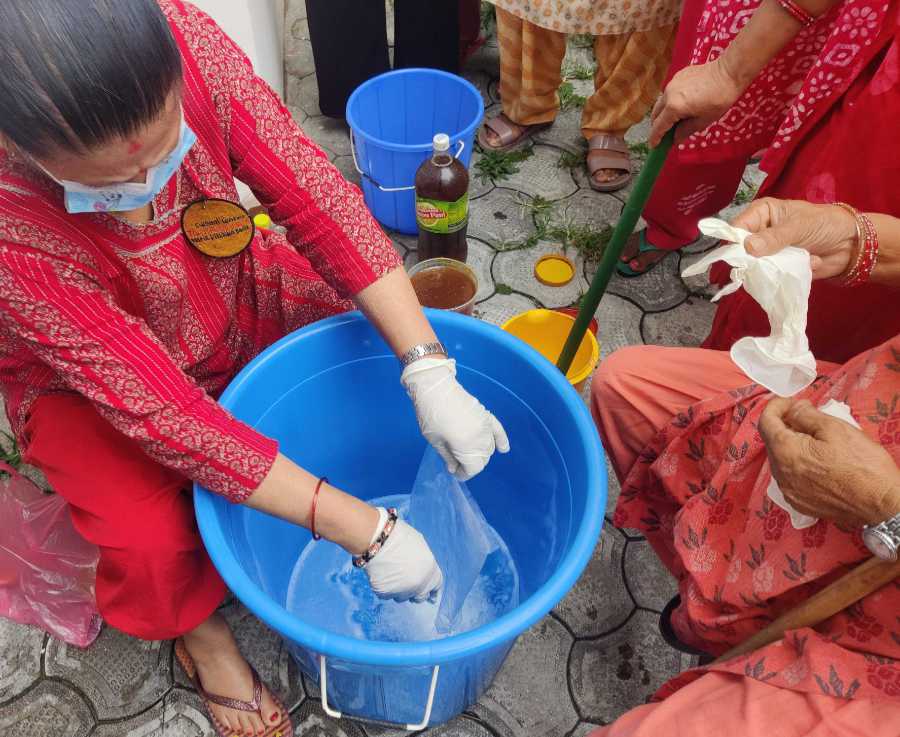
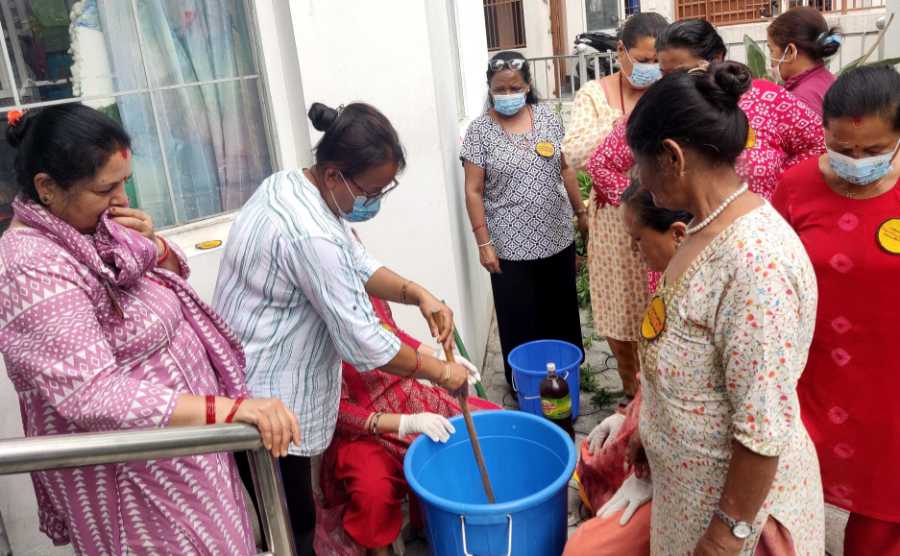
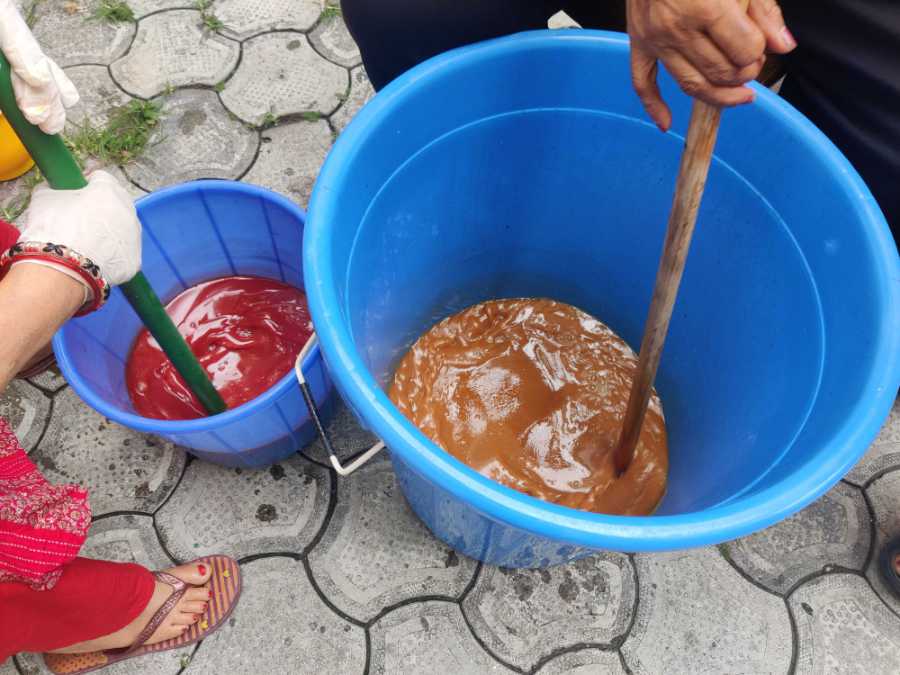
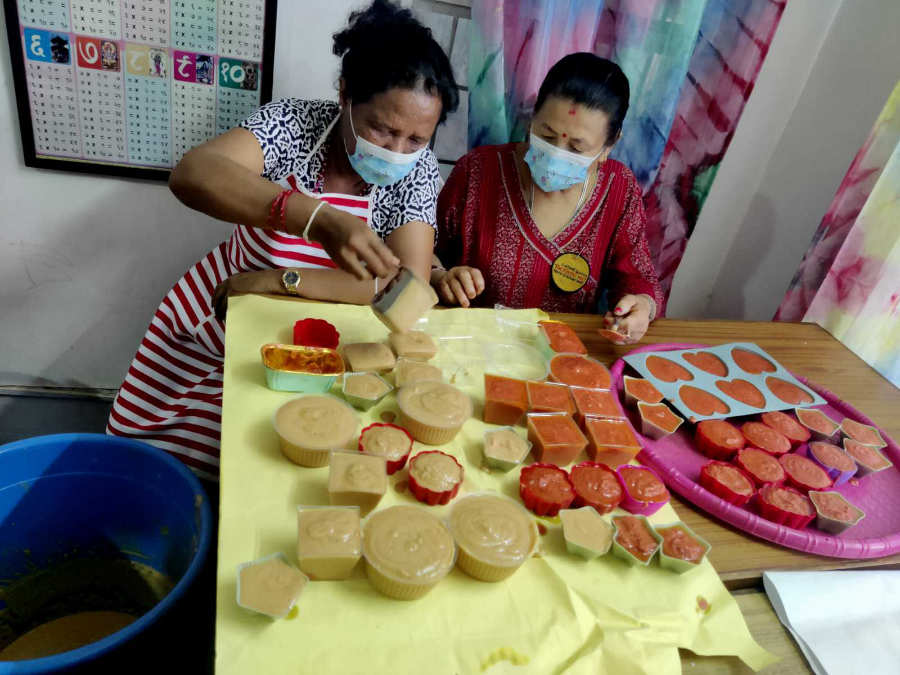
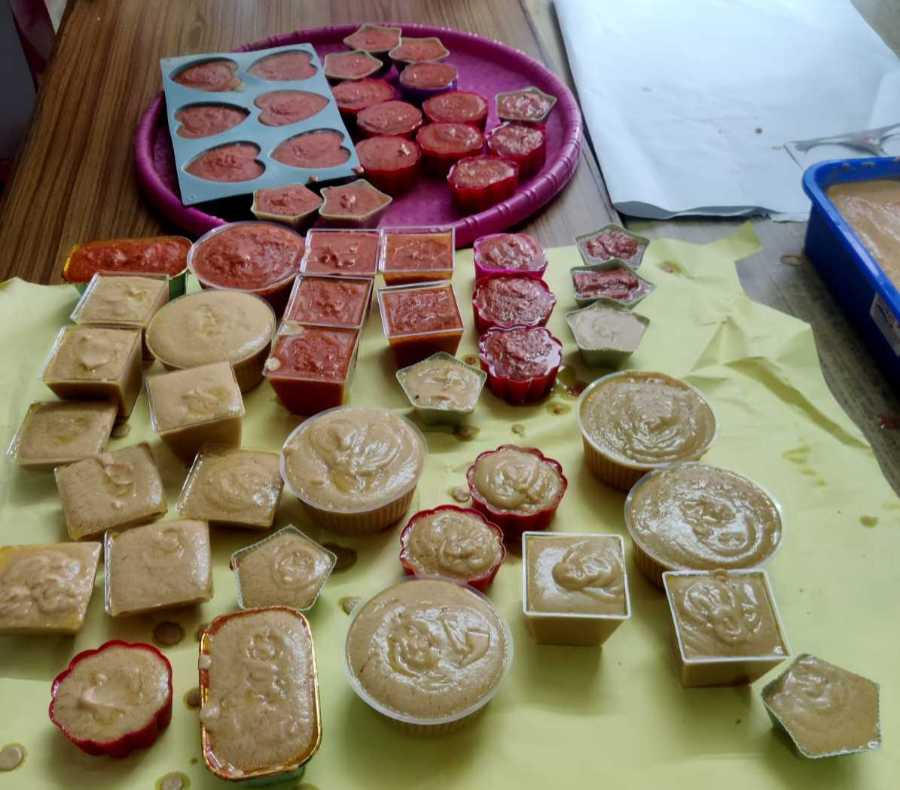
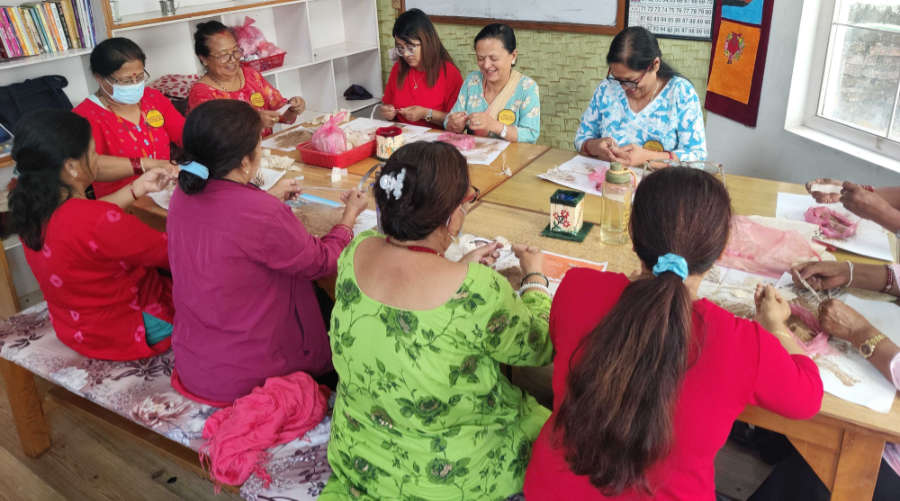
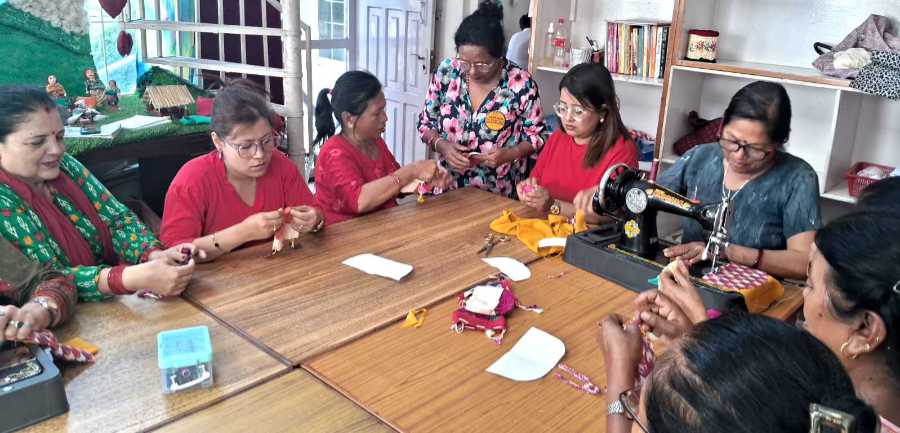
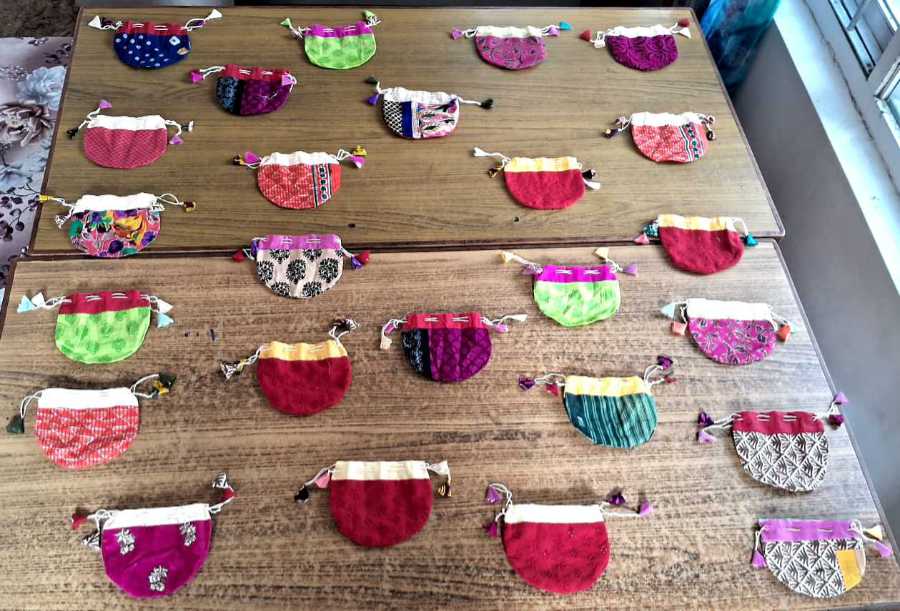
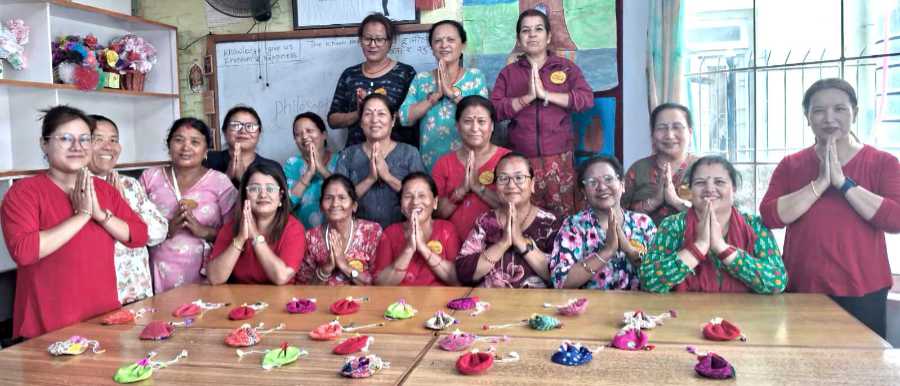
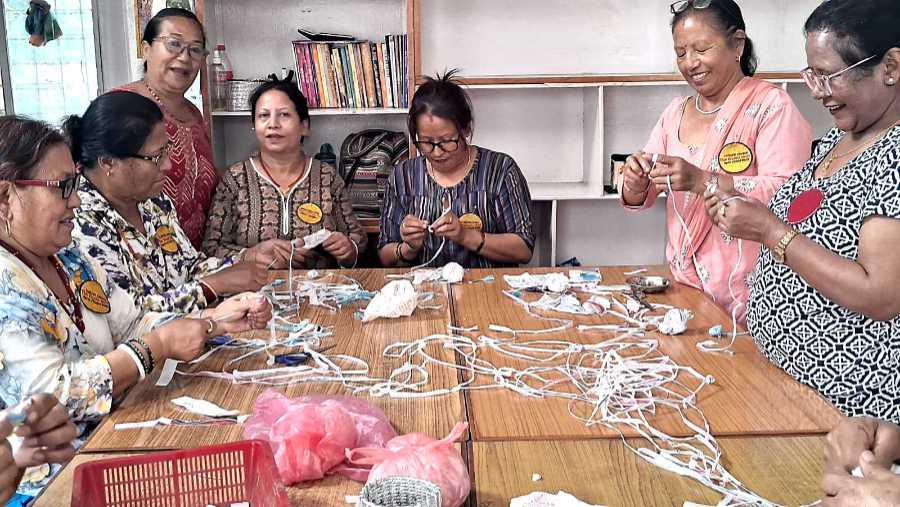
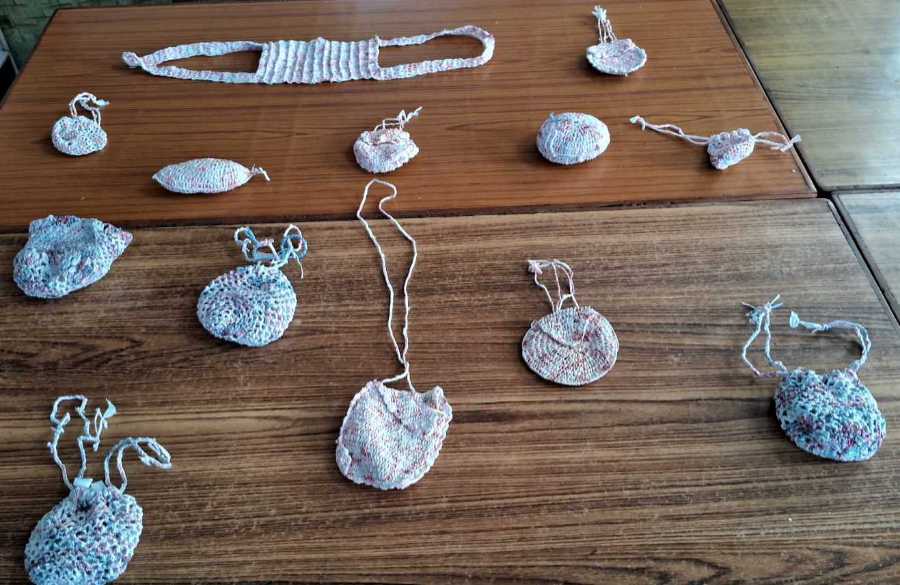
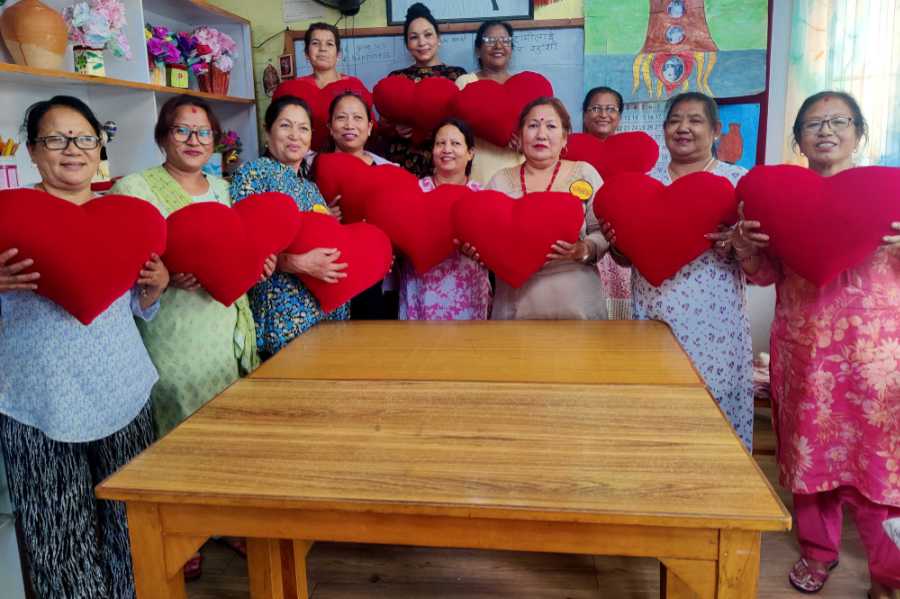
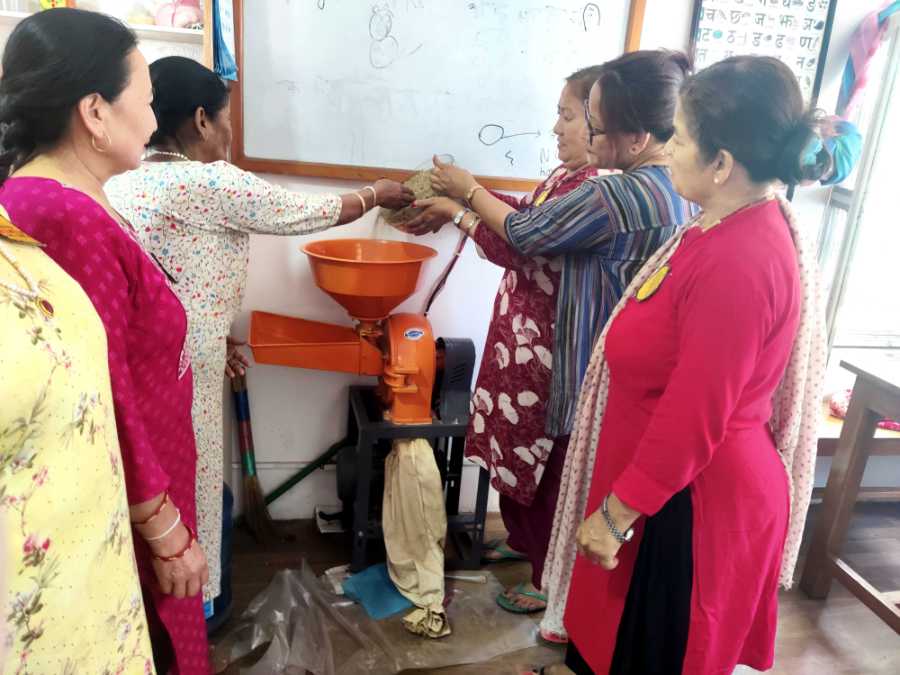
- haciendo JABÓN, INCIENSO, BOLSITOS para el dinero, TEJIDOS CON HILO DE PLÁSTICO para la limpieza, TRITURACIÓN DE SEMILLAS AYURVÉDICAS super saludables, sin olvidar el Yoga, la Gimnasia y el cultivo de verduras en nuestro huerto…
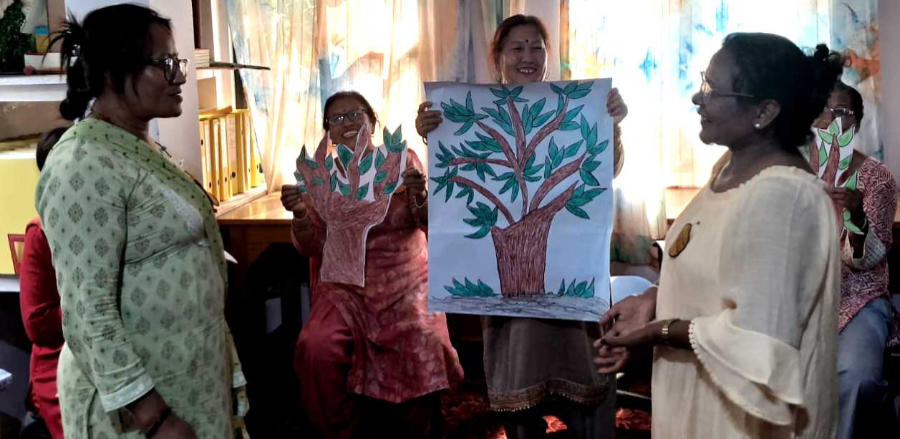
- gran novedad…por primera vez representación de un DRAMA con el tema super ecológico y didáctico EL ÁRBOL
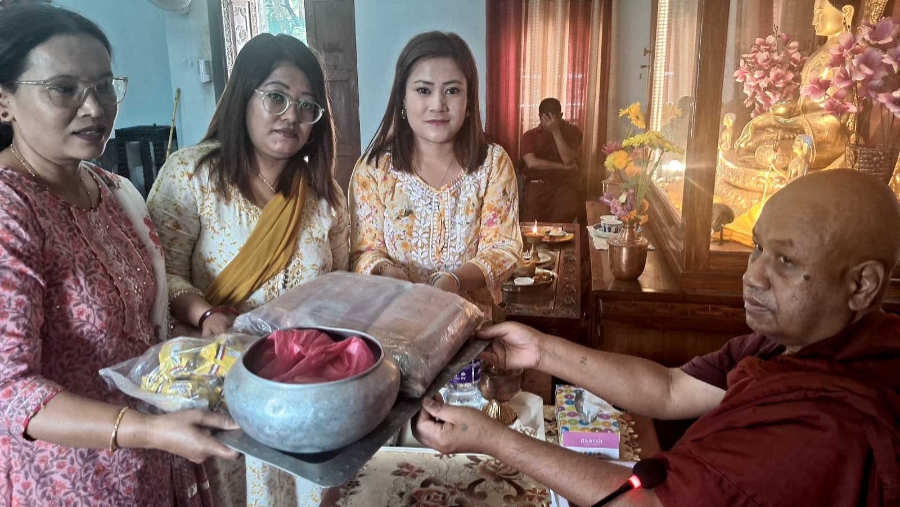
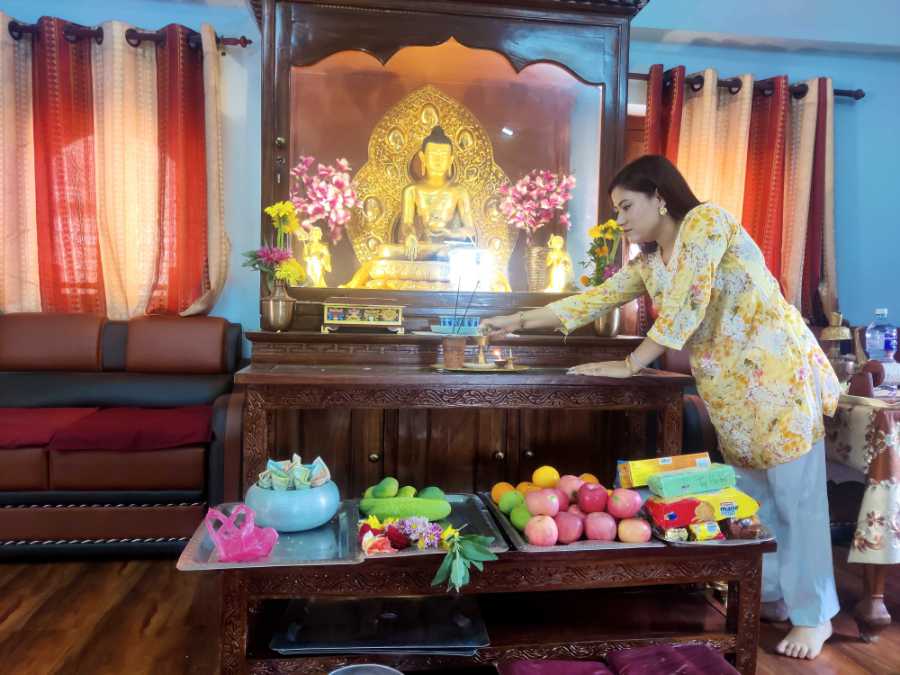
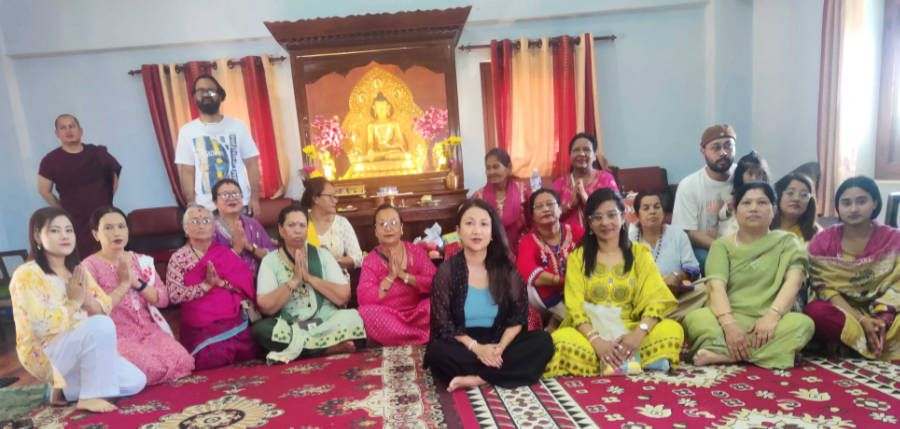
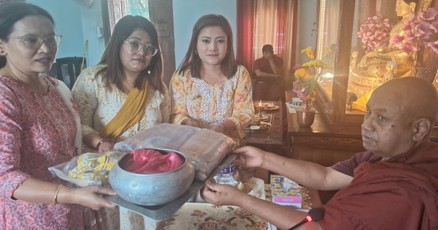
- con motivo de la celebración del 82 aniversario de la fundadora de este NIU FELIÇ – THE KHUSHI NEST, VISITAMOS EL MONASTERIO para desearle lo mejor de lo mejor como es salud, prosperidad, éxito en todo, paz, alegría…compartiendo estos sentimientos con los monjes a los que les ofrecimos frutas y jugos…
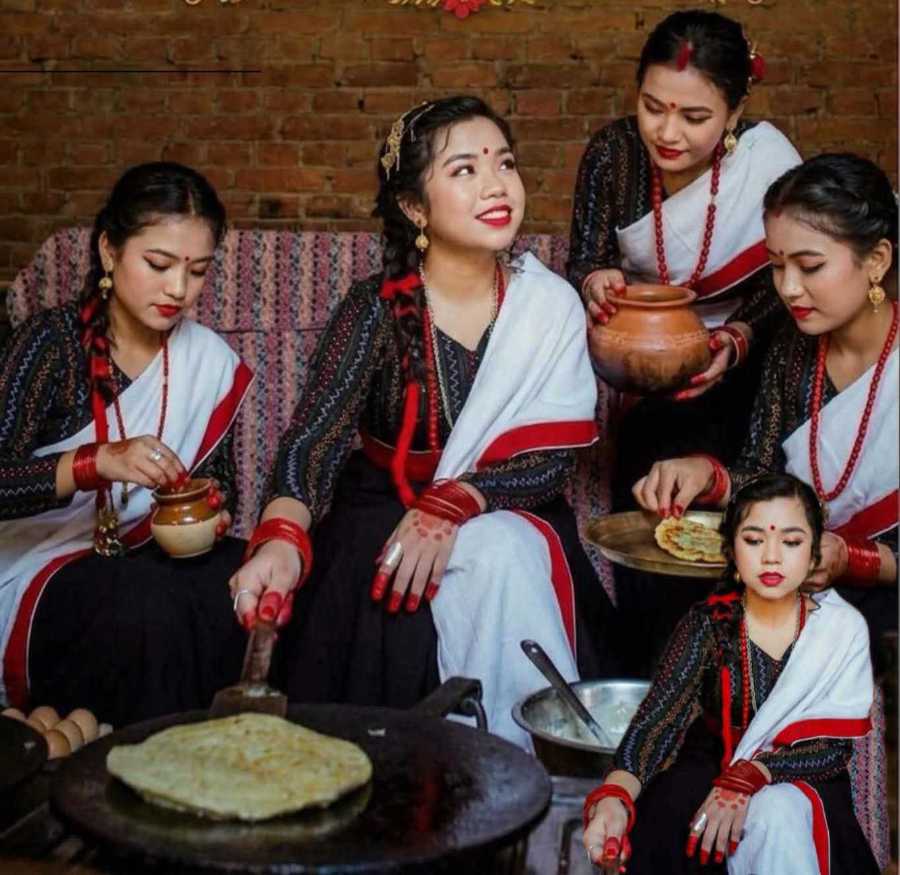
- las alumnas también participaron en la elevación de la cultura en nuestro Cultural Center, con sus Fotografías de la Vida cotidiana…
¿No está mal verdad?, nos sentimos satisfechas y felices. Esto es lo mejor que os podemos desear a todos vosotros/as y lo hace de todo corazón ¡¡¡TODO EL EQUIPO!!!
¡¡¡A ser felices!!!
continuará…

Cultural Center EL NIU FELIÇ – THE KHUSHI NEST
THE KHUSHI NEST TIMES
DIFFERENT PHASES OF WOMEN
29th June 2026
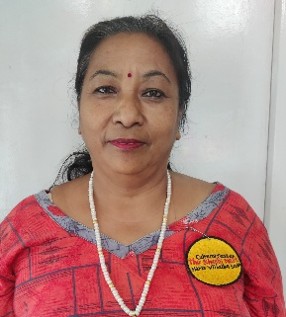
NANI MAIJU MAHARJAN
Namaste, I am Nani Maiju Maharjan from Chamati, I am coming in TKN since long time after my leg has been fractured, I could not continue as I need to take rest. I missed three teachers so much. I am very unhappy until I got rest in home during my leg fractured and got operated. I also miss everything of TKN; friends. Thank you Maria for giving this opportunity for us.
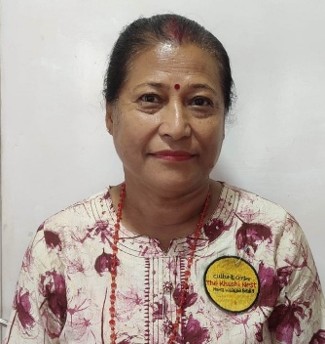
chandra devi dangol
Hello, Namaste! My name is Chandra Devi Dangol from Dhalko, Chhetrapati. I am very happy to come in TKN. I am able to read Nepali, write in English and calculate some number in mathematics. I am also taking part in workshop taught by teachers. After coming here, my life change, improves in good way. My self-confidence builds up. I can freely go some places. Thank you three teachers and Maria for providing homely environment to us.
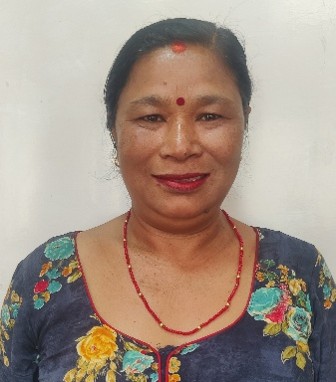
GANESH MAYA MAHARJAN
I am Ganesh Maya from Chamati but my original house is at Bhaktapur. I am feeling very much happy to come here, making friends, teachers as family. I am able to read and write in Nepali. I have one daughter, she had got married as well. I am alone now but coming in TKN kit makes me spend my days with family learning many good things, havinf education and workshop important for us. I want to thank Maria for all these opportunities for us. God bless You.
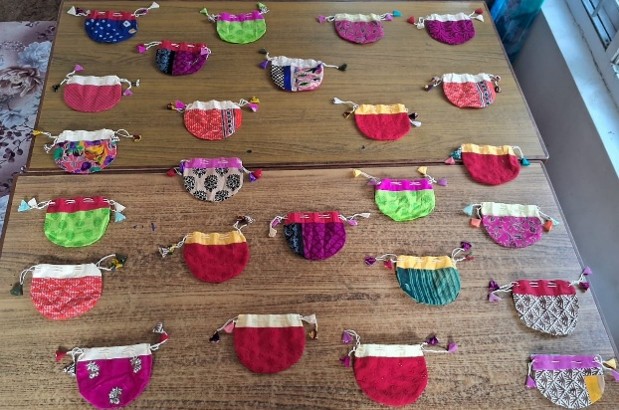
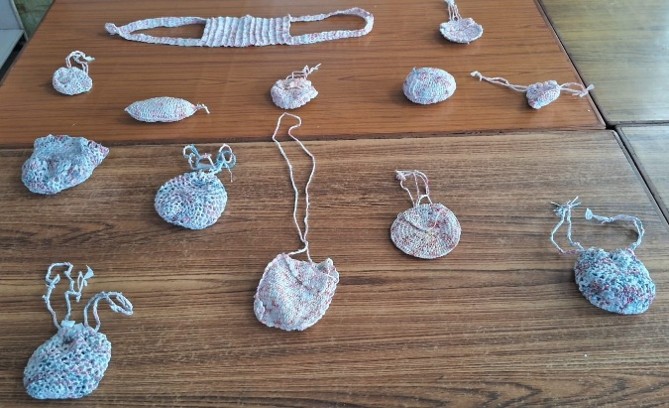
These photos are some workshop done in TKN.Typical thaili bag made from fabrics and Things made from useless plastic packets.
In this article, I want to share the drama story, we had done at TKN.
Topic (Our Friend, Our Life)
(Characters):
- Nhuchhe Maya (Axe) – (A greedy villager who wants to cut the tree for money)
- Nature Lover (Sita) – (Nhuchhe Maya wise sister who loves nature)
- Maya Devi (TREE) – (An actor dressed in green representing the tree)
- Bimala Sapkota (Bird) – (A bird living on the tree)
- Shanti Teacher Narrator – (The narrator)
(Scene 1): A Forest Scene
(A tree stands on the stage. A bird is sitting on a branch of the tree, chirping. Ramesh enters, holding an axe in his hand.)
Narrator: «Namaskar! Today we present a story that belongs to our very own villages. Life is not possible without trees, but what is man doing for his own selfishness? Let’s watch.»
Nhuchhe Maya (Axe): (Looking around, she laughs greedily) «Ah! What a big and beautiful tree! If I cut this down and sell it in the market, it will bring in a lot of money. Today, I will chop this one down!» (She raises her axe)
Bimala (bird): (Chirping, it moves forward) «Oh, Nhuchhe Maya sister! Please don’t cut down this tree. My nest is right here, and my little chicks live here. If you cut this tree down, where will we go? Our home will be ruined.»
Nhuchhe Maya (Axe): (Shooing the bird away) «Shut up, bird! I don’t care about your nest. I need money, money! I will absolutely not stop until I cut this tree down.»
(Scene 2): The Weeping of the Tree
(As Nhuchhe Maya prepares to strike the tree with her axe, the tree begins to weep and speaks.)
Maya Devi (Tree): (Crying, stretching out its branches/hands) «Oh human! Please do not cut me. I am not your enemy; I am your most reliable friend.»
Nhuchhe Maya: (Startled) «What did you say? A friend? How are you my friend? You are just a tree!»
Maya Devi (Tree): «Nhuchhe Maya, have you forgotten? The clean air (Oxygen) that you like to breathe, I am the one who gives it to you. When you fall sick, I am the one who gives you medicine. When you are hungry, I am also the one who gives you sweet, delicious fruits. When the sun is scorching, I am the one who gives you cool shade. Does an enemy ever do such things for you?»
Sita: (Rushing onto the stage and grabbing Nhuchhe Maya’s hand) «Oh sister! Stop! What are you doing? Cutting down this tree is like chopping off your own feet!»
Nhuchhe Maya: (Angrily) «Why are you all teaming up to stop only me? What’s the big deal if just one tree gets cut down?»
Sita: «It’s not just one tree, sister! If everyone keeps cutting them down one by one like this, this world will turn into a desert. If there are no trees, it won’t rain. If it doesn’t rain, crops won’t grow. Then what will we eat? How will we survive?»
(Scene 3): Awareness and Life-force
(Suddenly, the sound effect of a heavy windstorm and a flood is heard in the background. Nhuchhe Maya gets scared.)
Narrator: «Yes, when trees are cut down, landslides occur and floods come. The destruction of nature ultimately leads to the complete annihilation of humanity.»
Maya Devi (Tree): «Nhuchhe Maya! You do need money, but money cannot buy the air you breathe. If I am no longer here, your children will have to walk around wearing masks all the time.»
Nhuchhe Maya: (She drops the axe on the ground, filled with regret) «Oh no! I was about to commit a terrible sin. For my own selfishness, I was about to put everyone in danger. Forgive me, Tree sister! Forgive me, Sita!»
Sita: (Smiling) «Sister, you realized your mistake—that is the most important thing. Now, we must not only save this tree, but we also need to plant new saplings.»
Nhuchhe Maya: «Yes, Sita, ‘Plant trees, save the forest!’ From today onward, I will never cut down a tree. Instead, I will teach others to plant trees too.»
(Climax / Ending)
All in one voice (Together): «Trees are life,
Trees are the breath of life.
Protecting nature is our shared mission.»
(Everyone bows with a Namaskar; the play ends.)
MARIA VILLALBA BADIA, FOUNDER
I WANT TO SHARE ABOUT THE PHRASES USEFUL IN OUR LIFE.
- Se lo suficientemente fuerte para valerte por ti mismo. Lo suficientemente inteligente para saber cuándo necesitas ayuda. Y lo suficientemente valiente para pedirla. (Fiódor Dostoyevski)
Be strong enough to stand on your own two feet. Smart enough to know when you need help. And brave enough to ask for it. (Fyodor Dostoevsky) in English - Existe algo más doloroso que mirarse al espejo y ver an alguien en quien no querías convertirte? (Fiódor Dostoyevski)
Is there anything more painful than looking in the mirror and seeing someone you didn’t want to become? (Fyodor Dostoevsky) in English - No podemos simplemente existir, necesitamos propósito, dirección, algo que justifique despertar todos los días. (Fiódor Dostoyevski)
We cannot simply exist; we need purpose, direction, something to justify waking up every day. (Fyodor Dostoevsky) in English - Cuando dejas de creer en tu propia palabra algo fundamental se rompe, el auto respeto desaparece, la confianza interna se evapora. (Fiódor Dostoyevski)
When you stop believing in your own word, something fundamental breaks: self-respect disappears, inner confidence evaporates. (Fyodor Dostoevsky) in English - La honestidad quizá no te hará ganar muchos amigos pero siempre te hará ganar los adecuados. (Fiódor Dostoyevski)
Honesty may not win you many friends, but it will always win you the right ones. (Fyodor Dostoevsky) in English - A través de la acción, crece. A través Del error, aprende. La persona que actúa a través Del fracaso se fortalece. (Fiódor Dostoyevski)
Through action, grow. Through error, learn. The person who acts through failure grows stronger. (Fyodor Dostoevsky) in English - El primero en disculparse es el más valiente. El primero en perdonar es el más fuerte. El primero en olvidar es el más feliz. (Fiódor Dostoyevski)
The first to apologize is the bravest. The first to forgive is the strongest. The first to forget is the happiest. (Fyodor Dostoevsky) in English - CADA VEZ QUE YO INTENTABA HABLAR DE MI TRABAJO CIENTÍFICO LA GENTE CAMBIABA DE TEMA Y ME PREGUNTABA POR MIS PELÍCULAS. MI VIDA ENTERA LA PASÉ SIENDO VISTA POR FUERA Y NO POR DENTRO. ME HAN TRATADO COMO UNA SUPERFICIE BONITA NO COMO UNA CABEZA QUE PIENSA. LA GENTE VEÍA MI CARA, NUNCA VIERON LO QUE HABÍA DETRÁS. (Hedy Lamarr, actriz e inventora)
Every time I tried to talk about my scientific work, people changed the subject and asked me about my films. My whole life I’ve been seen from the outside, not the inside. I’ve been treated like a pretty surface, not a thinking mind. People saw my face; they never saw what was behind it. (Hedy Lamarr, actress and inventor) in English
SHANTI MAHARJAN, TEACHER
I want to share about discipline is important in life.
Discipline is the cornerstone of a balanced, successful, and fulfilling life. Rather than a set of rigid restrictions, it provides the vital structure needed to reach goals, build healthy habits, and push through challenges when motivation eventually fades. Bridges Goals and Accomplishments: It is the daily consistency that turns grand ambitions into tangible results. Improves Mental Well-being: Maintaining regular routines and healthy habits actively reduces stress, anxiety, and impulsive decision-making. Fosters Consistency: It allows you to show up for your responsibilities and personal growth every day, regardless of how you feel.
Mastering self-discipline requires intention, self-awareness, and deferred gratification—learning to value long-term success over short-term impulses. It acts as the backbone of your daily routine, keeping you focused, organized, and on track even in the face of inevitable setbacks.
URIKA PRADHAN, TEACHER
I want to share about the bird flu diseases spreading in Nepal.
A highly pathogenic strain of bird flu (H5N1) has spread across the Kathmandu Valley. With over 50 outbreak locations confirmed across Kathmandu, Bhaktapur, and Lalitpur, authorities have culled roughly 600,000 chickens and destroyed one million eggs nationwide to contain the infection.
The critical facts and safety measures:
Current Hotspots & Closures
• Infected Areas: Outbreaks have been confirmed in multiple municipalities, including Kirtipur, Gokarneshwor, Tarakeshwor, and Godavari.
• Central Zoo Closure: The Jawalakhel Central Zoo has been closed indefinitely after H5N1 was detected in captive birds and wild crows.
• Wild Bird Transmission: Unlike previous years, the virus is heavily spreading among urban wild birds, especially house crows.
Public Health & Safety Guidelines
- Eating Meat and Eggs: Health experts state that properly cooked poultry and eggs remain safe for consumption. The virus is completely killed at temperatures above 70°C (ensure egg yolks are firm and meat is not half-boiled).
- Avoid Sick Birds: Do not touch or handle sick or dead birds (crows, pigeons, poultry).
KHEMA SHRESTHA (SADIKSHYA), TEACHER
I want to share about the attraction sector of Nepal;Mountain River and temples to Tourist.
Nepal’s tourism industry relies on its majestic mountains, sacred rivers, and ancient temples. These elements form a deep spiritual and natural property, drawing millions of adventurers and pilgrims who seek both extreme physical trekking and profound religious salvation in the Himalayas.
The Core Attractions
- Mountains: Nepal is home to 8 of the 14 highest peaks globally. The towering ranges draw thousands of trekkers and climbers annually, particularly in key hubs like the tourism capital of Pokhara and regions like Annapurna and Everest.
- Rivers: Fed by glacial melt, major rivers (such as the Trishuli, Kali Gandaki, and Bagmati) are economic and spiritual assets. They drive extreme sports like whitewater rafting and kayaking, while their confluences are highly revered pilgrimage sites.
- Temples: Nepal’s deep-rooted, multi-religious society features iconic structures that anchor spiritual tourism. UNESCO World Heritage sites, such as the Pashupati Nath on the banks of the Bagmati, and the high-altitude Muktinath Temple serve as major draws for both Hindu and Buddhist devotees.
Tangible & Intangible Values
- Tourists are attracted to how these three elements intersect. The Nepal Tourism Board highlights that the country’s physical landscape is tied to religious heritage, with countless shrines scattered along remote trekking routes. Visitors experience not just the physical environment, but also the intangible cultural property of indigenous mountain communities.
THE END…
Maria Villalba Badia
Fundadora y Directora