

Queridos/as amigos/as
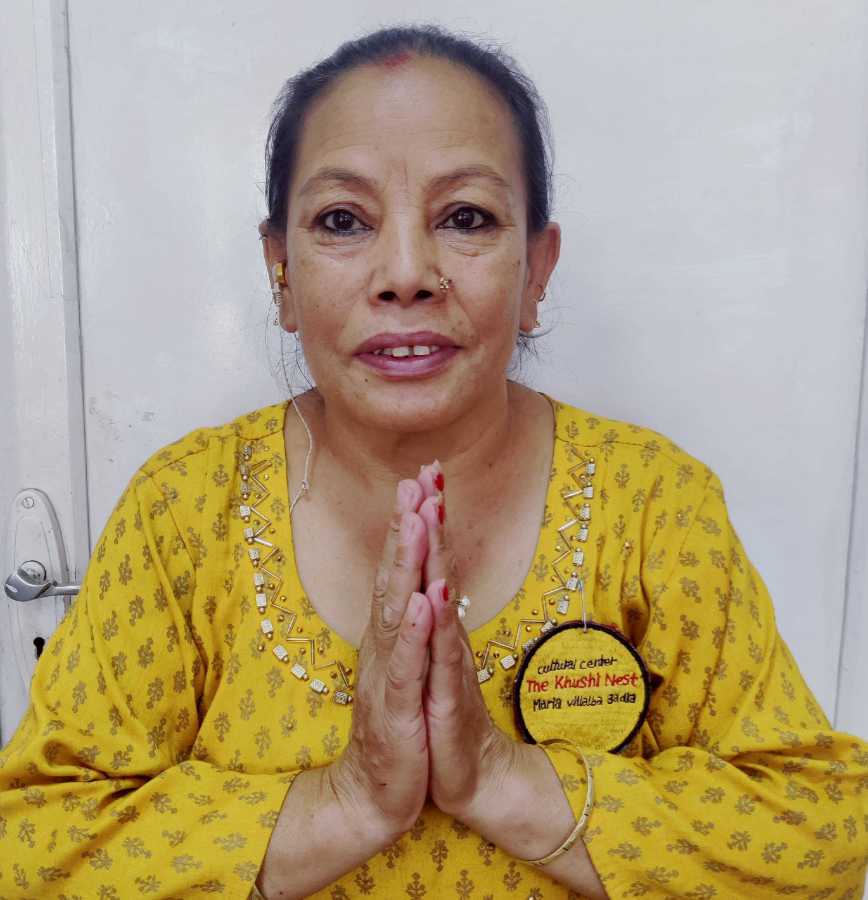
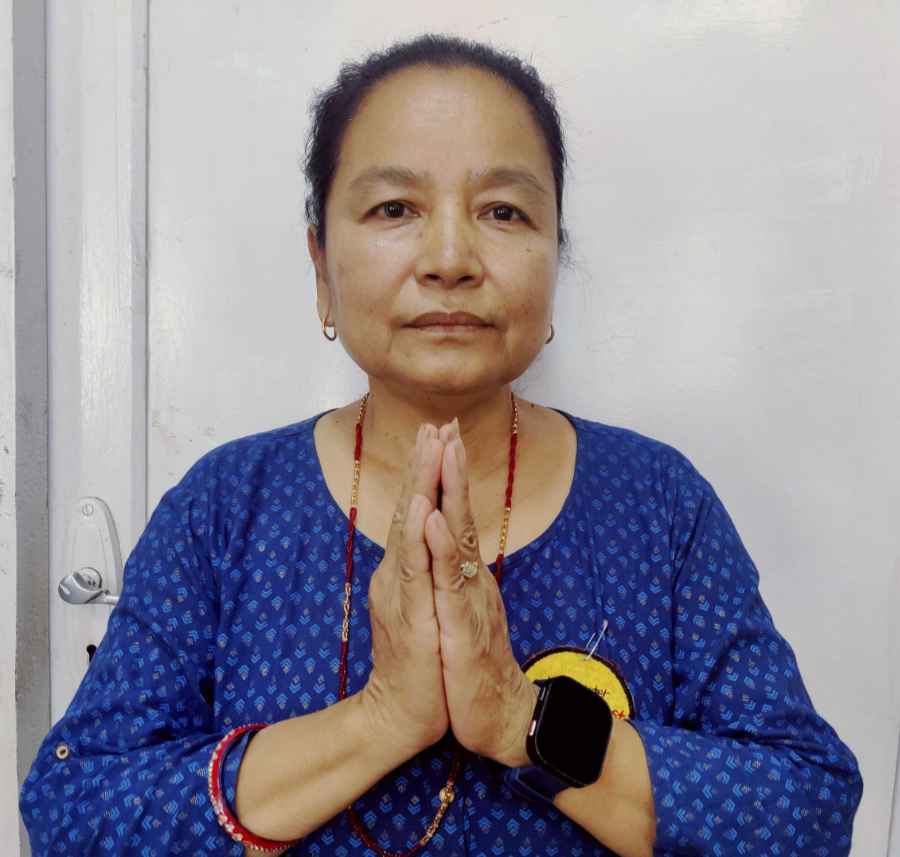
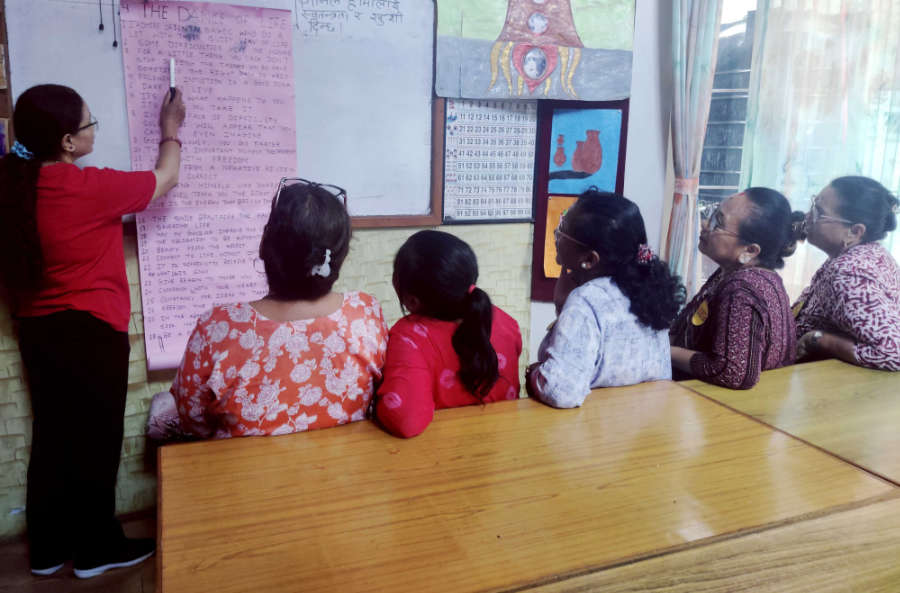
Este mes de Septiembre creo que las profesoras de nuestro Cultural Center EL NIU FELIÇ-THE KHUSHI NEST de Katmandú (Nepal) Sadikshya,Shanti y Eureka se han superado en su vocación pedagógica como veréis a continuación:
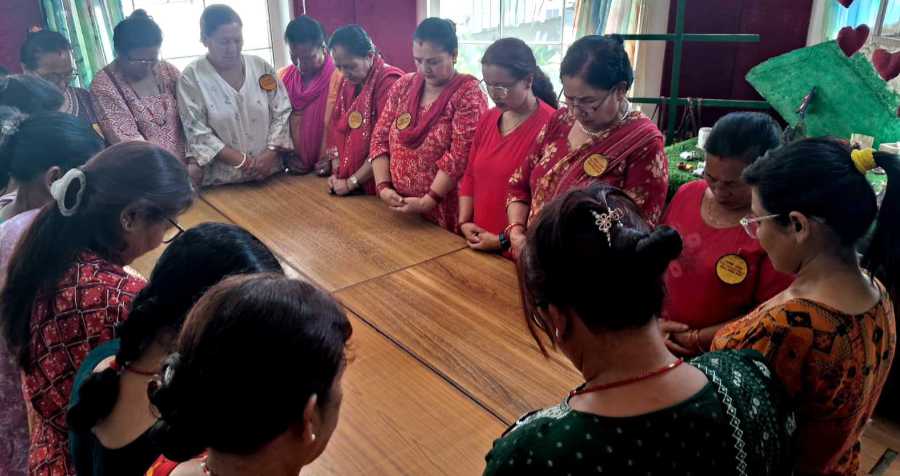
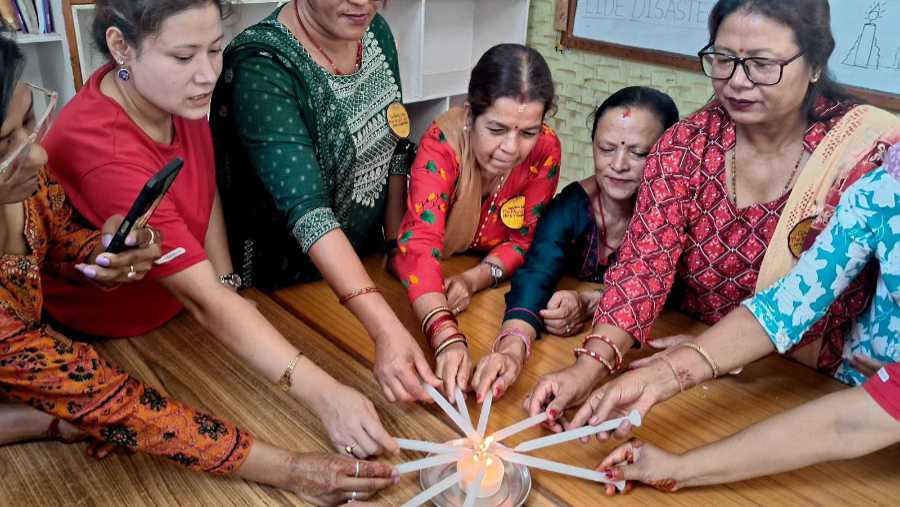
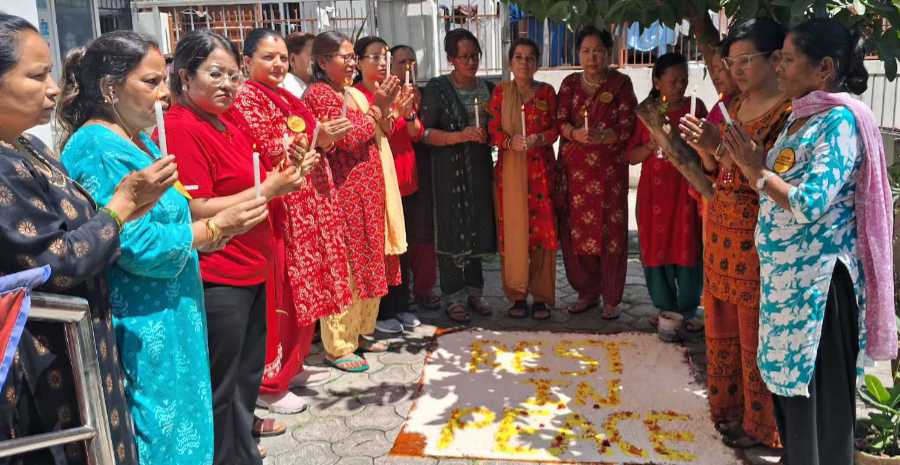
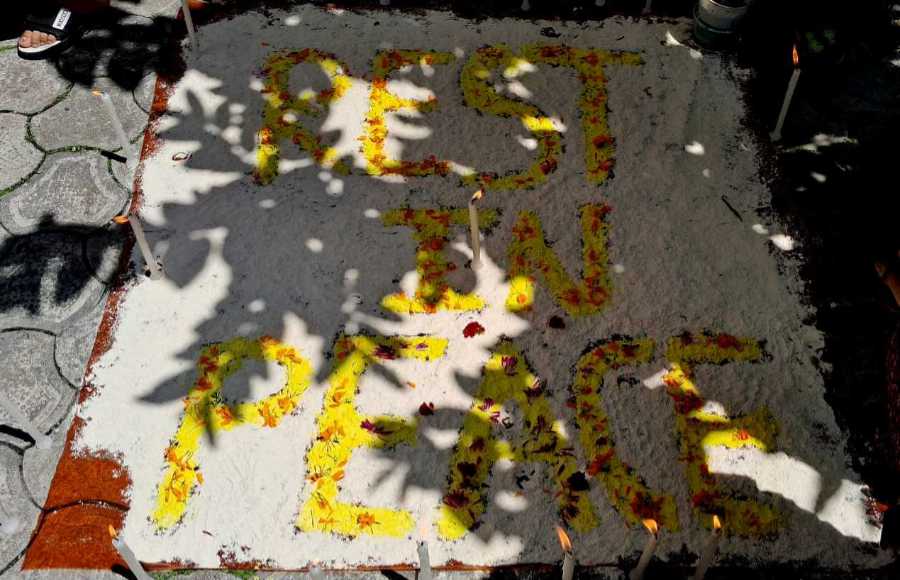
Primero hemos Rezado, encendido Velas y dado Dinero para las víctimas del glaciar.
Una buena noticia es que han venido 2 nuevas alumnas UMA y SUNTALI a las que les damos la más cálida bienvenida y les explicamos todo lo que aprenderán…
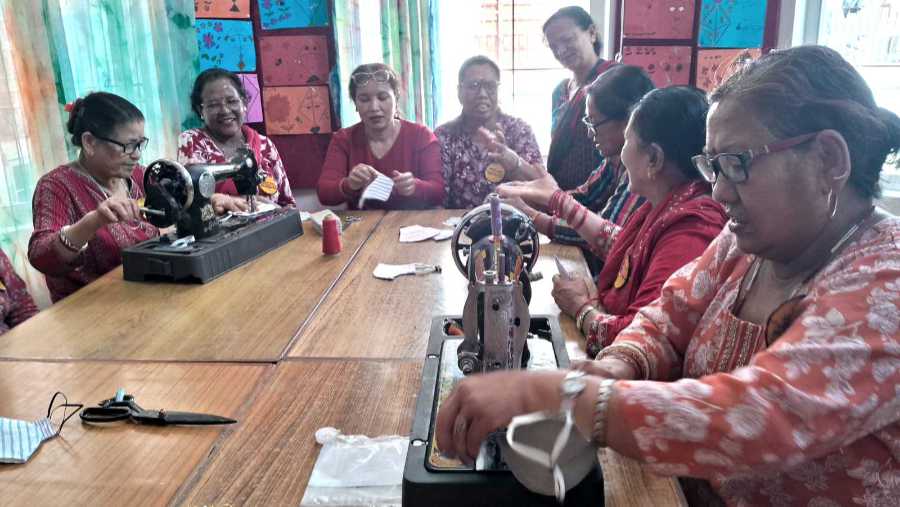
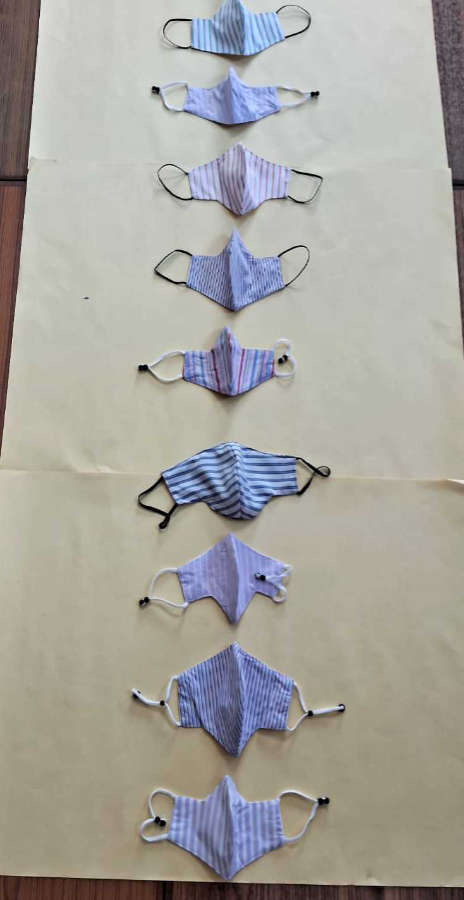
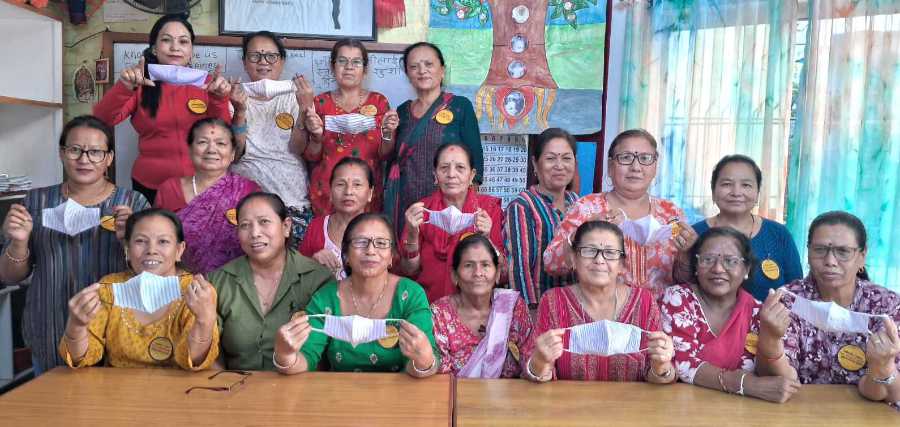
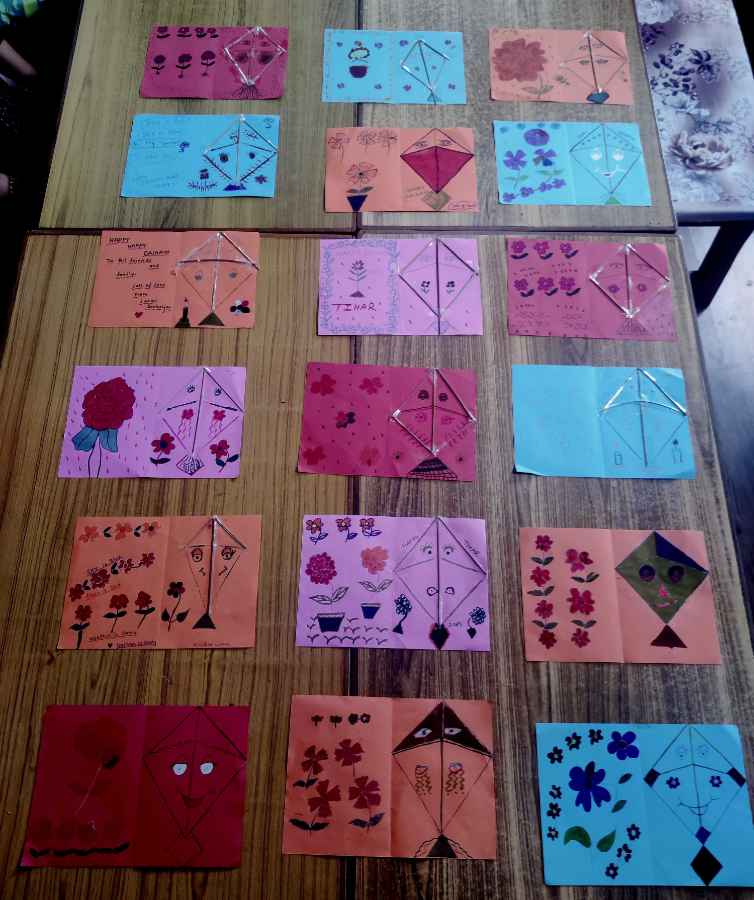
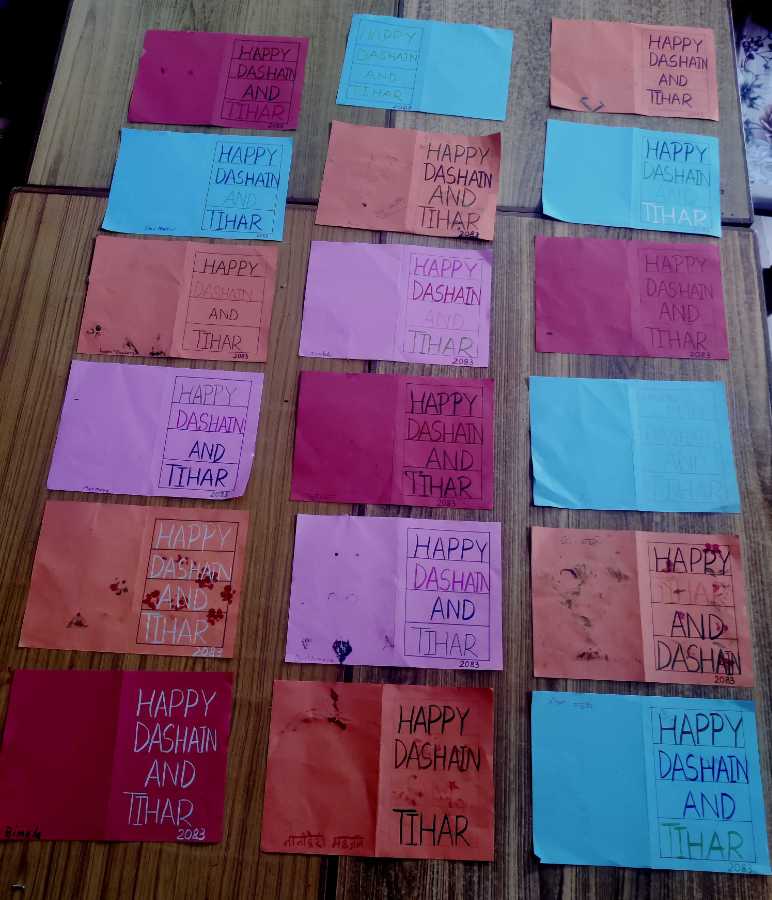
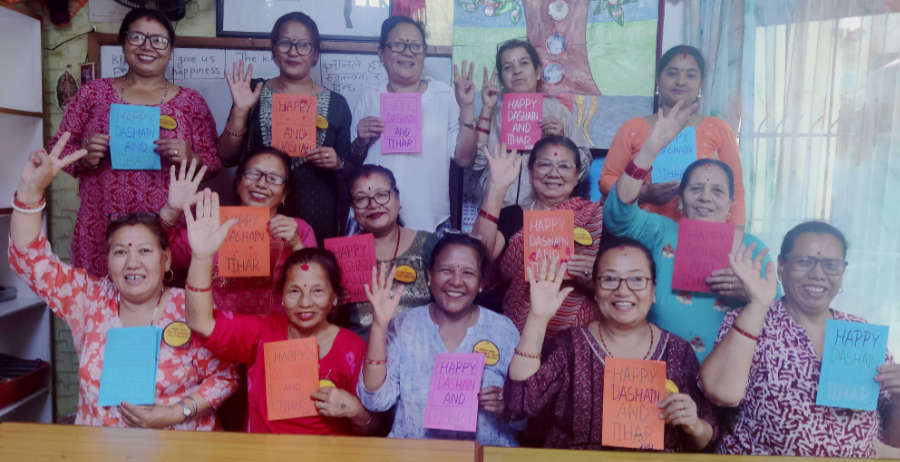
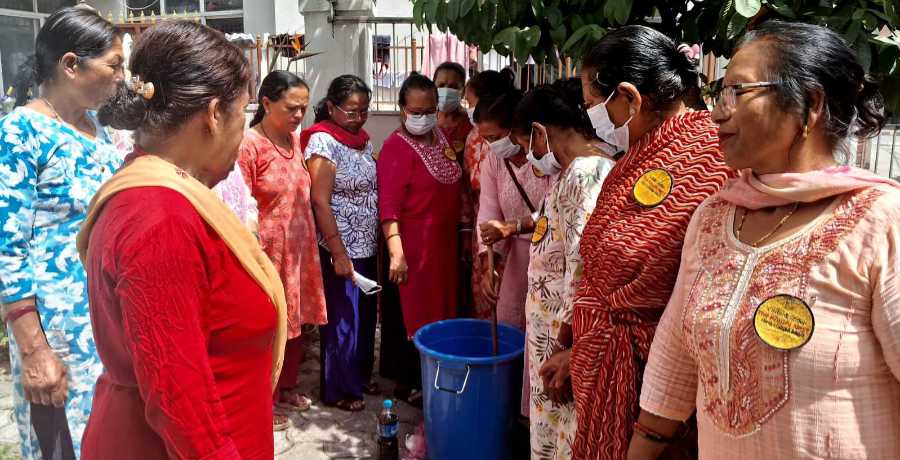
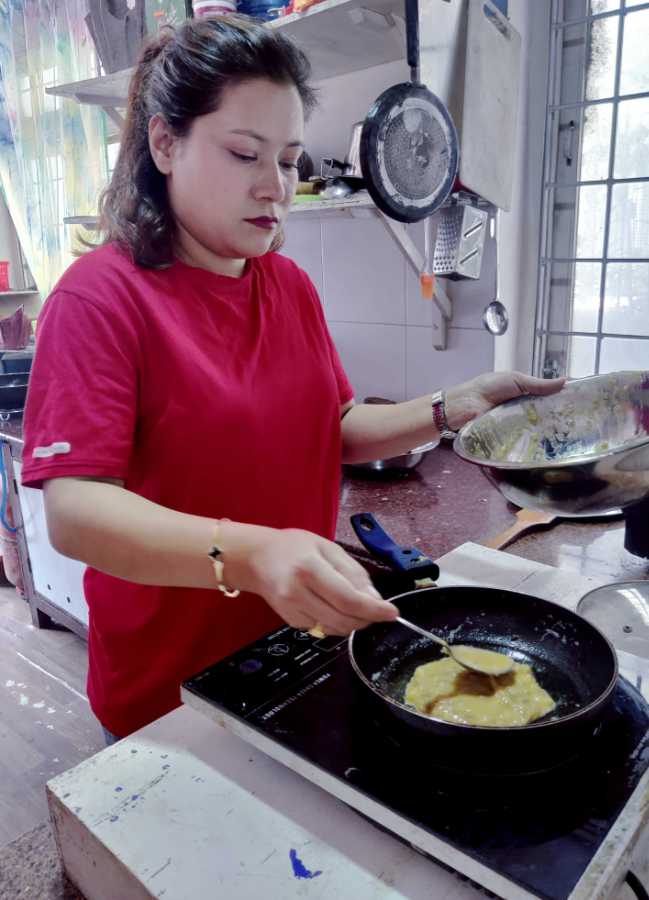
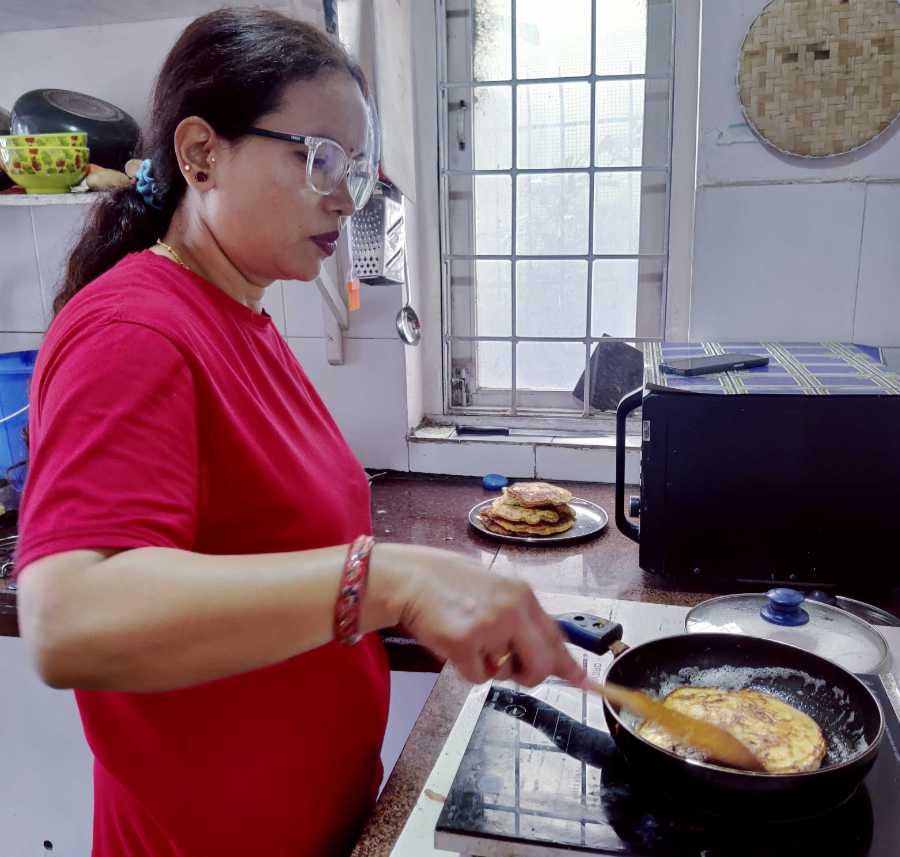
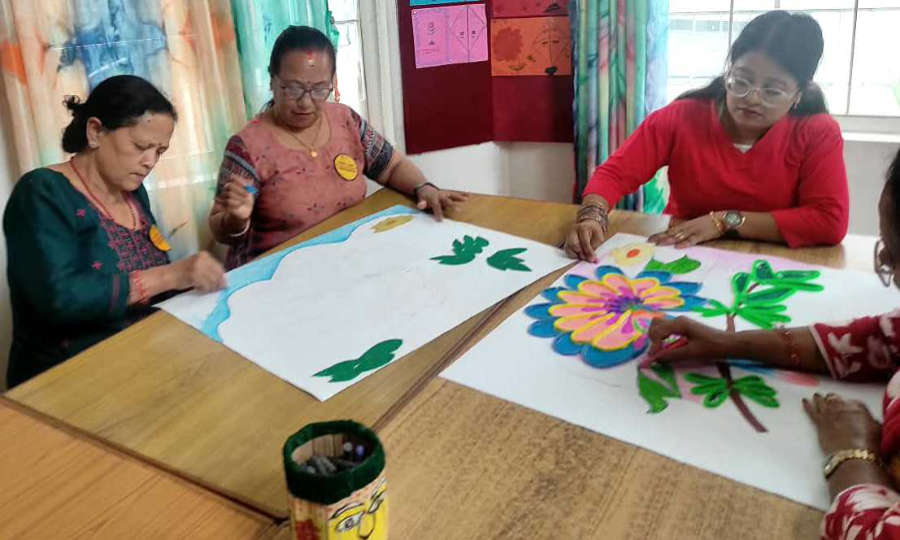
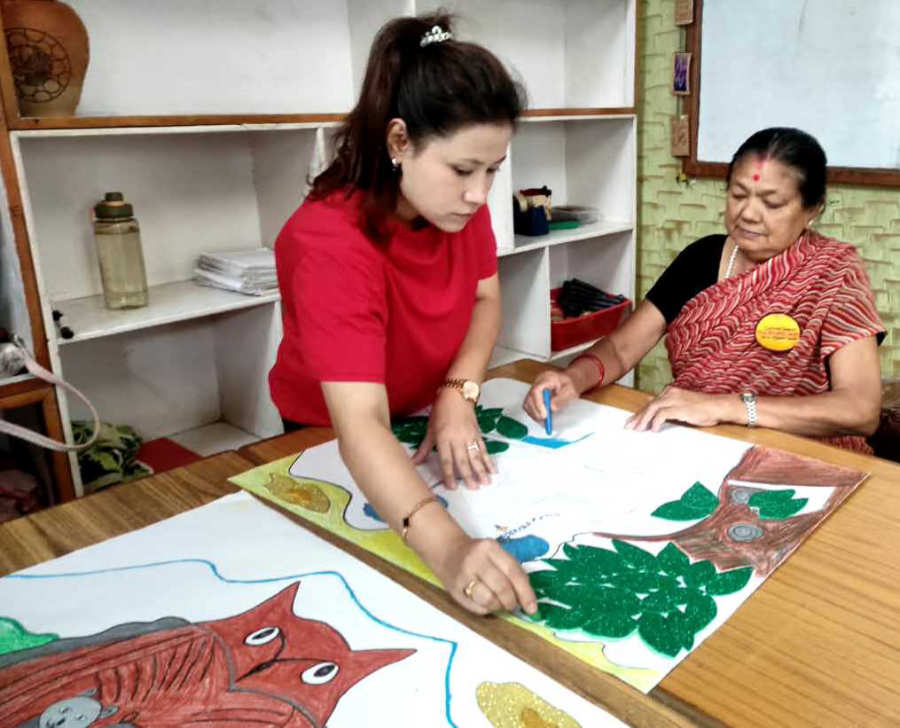
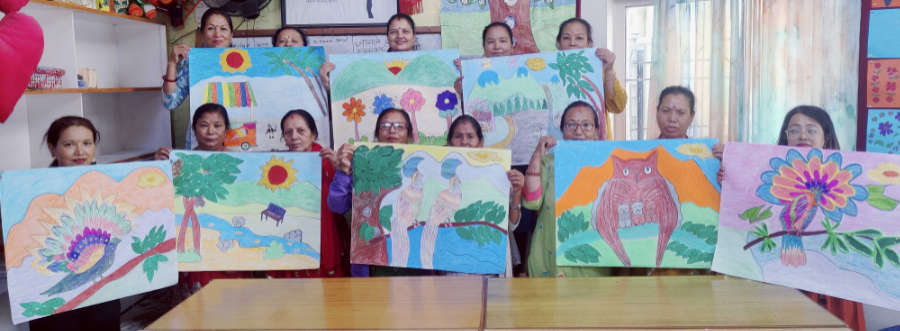
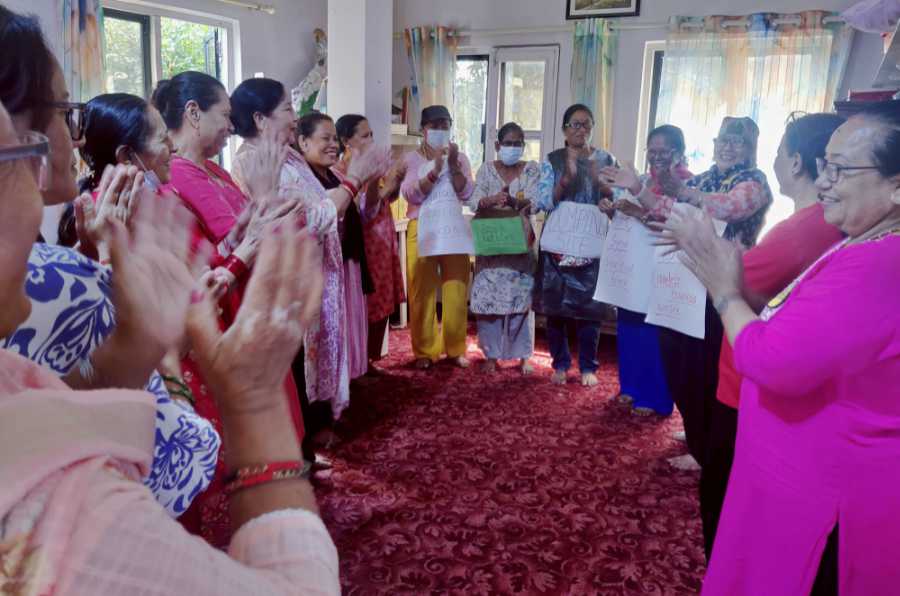
A hacer MASCARILLAS, felicitaciones para la fiesta de THIAR que en honor a la Diosa LASMI se ilumina toda la ciudad con velas y ofrendas porque es la Diosa de la abundancia. felicitaciones para DASHAIN en honor a la Diosa DURGA que es una guerrera defendiendo a los buenos y castigando a los malos. A hacer JABÓN LÍQUIDO, a hacer una TORTILLA española-nepalesa que nos ha gustado mucho. Las alumnas han hecho fotos de su vida diaria y de los dioses a los que rezan. Hemos homenajeado al SOL y al VERANO con dibujos coloristas y creativos. Respecto a la creatividad hemos hecho una obrita de TEATRO en la que todos nos hemos divertido con el tema ecológico de evitar contaminar nuestro mundo.
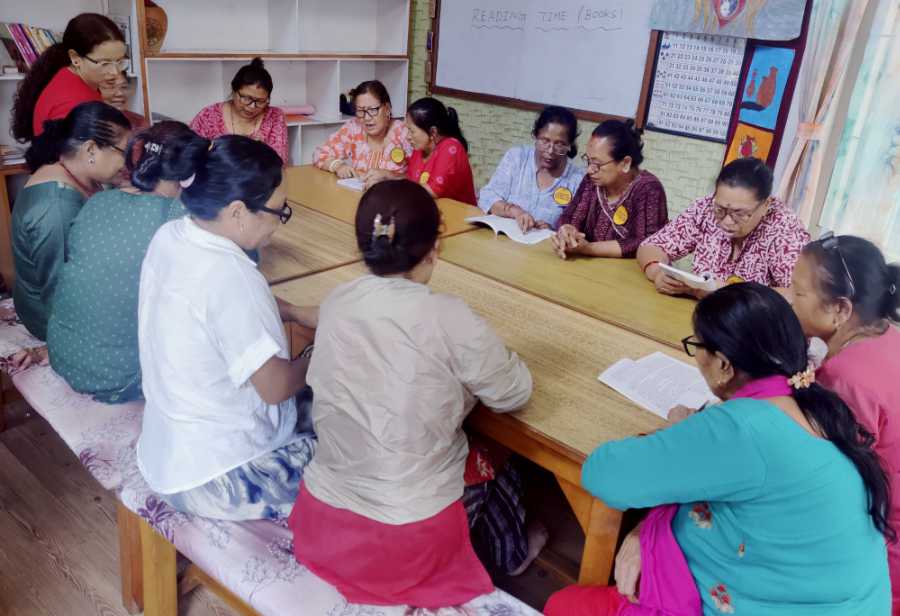
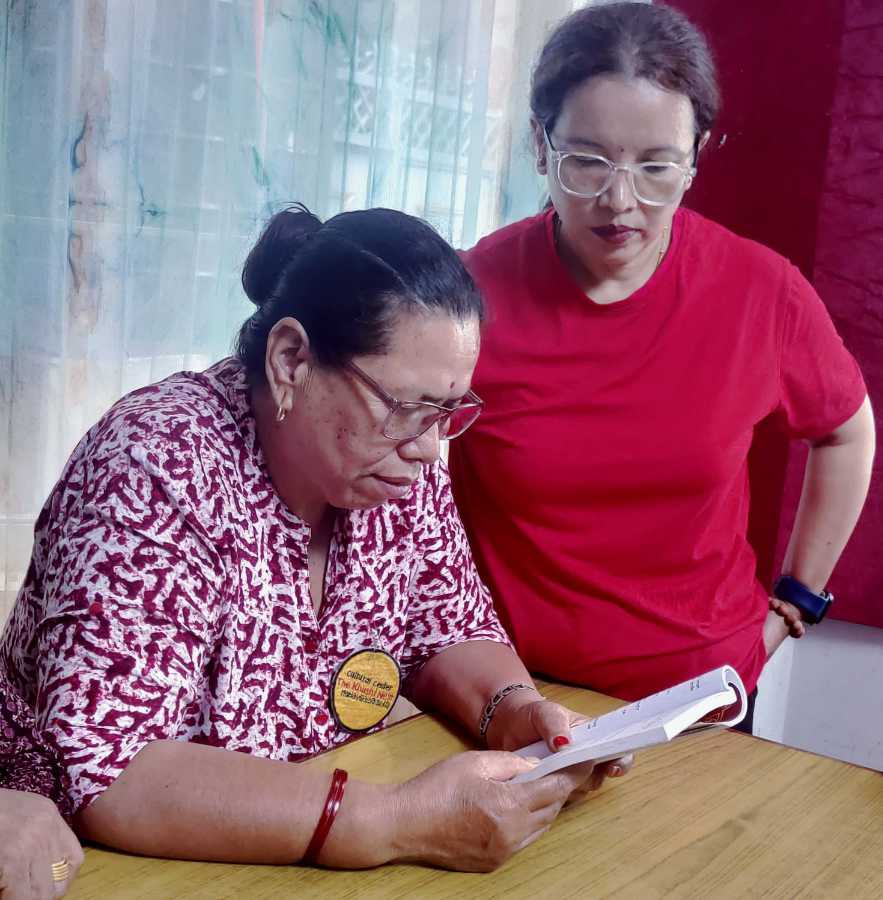
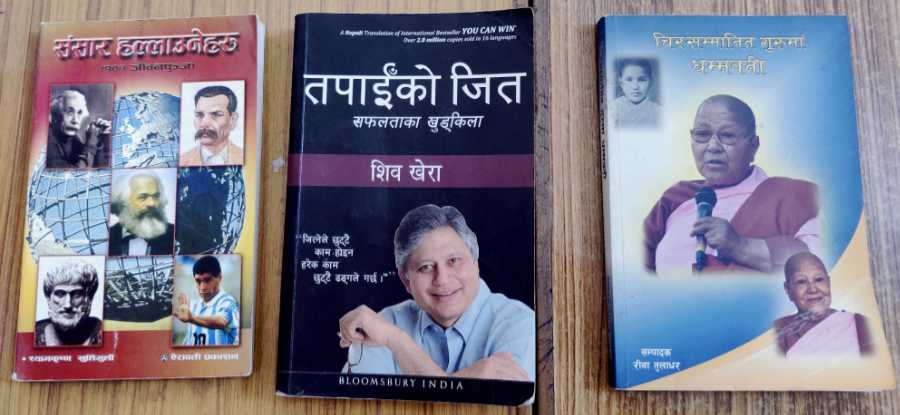
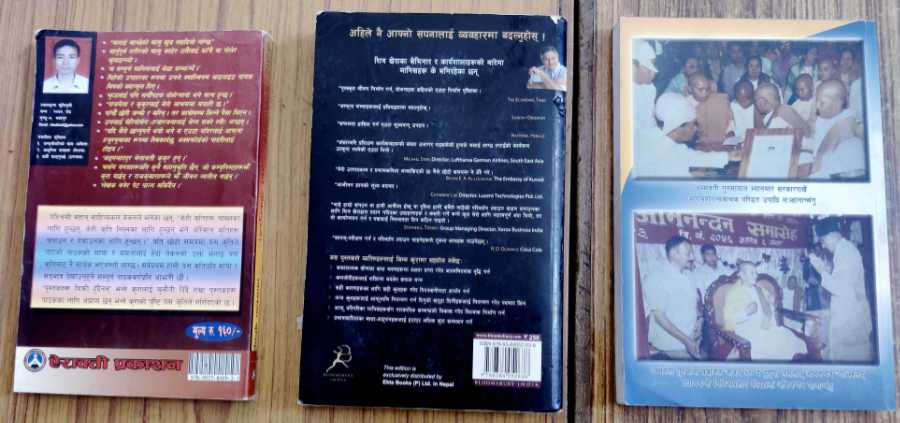
Para ampliar nuestra creatividad y llenar nuestro espíritu hemos creado EL CLUB DE LECTURA, en el que expresamos qué nos parece lo leído aportando nuestro punto de vista sobre el mismo. Para las alumnas que no conocen a la fundadora de nuestro Cultural Center, Shanti les ha leído algunos PENSAMIENTOS de la misma.
Para finalizar podréis leer nuestro periódico TKNT, en el que os contamos algo de lo vivido en este mes tan agitado.
Esto es lo que os deseamos una vida agitada llena de buenos momentos en los que os sintáis ¡¡¡FELICES DE VIVIR !!!
Recibid de todo el Equipo un gran, fuerte y cálido abrazo
continuará…

Cultural Center EL NIU FELIÇ – THE KHUSHI NEST
THE KHUSHI NEST TIMES
DIFFERENT PHASES OF WOMEN
30th September 2026
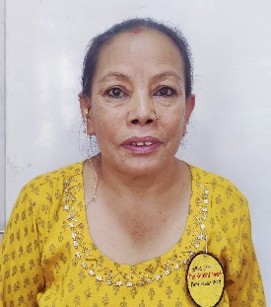
UMA BUDDHATHOKI
Namaste. I am Uma Buddhathoki from Bijeshwori, my mother place is Thankot. My mother died when I was small and my father used to drink alcohol a lot so I cannot got love from my parents. I used to stay with my cousin so I did not get chance to study. After married my Life change a little, my husband is fashion designer so we have good life, when earthquake came it shatters him. He was badly hurt after curing him in so many months my Life, money and all Jewellery gone. My two kids were small. I had to work and also take care of my mother in law. That was a very difficult and painful situation, no relatives came to help us. after some years my health is not good, I got high diabetes and blood pressure so doctor suggest me to rest so my two sons work and they are bearing house hold thing. I am very proud of my son. Thanks to God for now. I am very happy to study here and I am now feeling very refresh and got to learn many things.
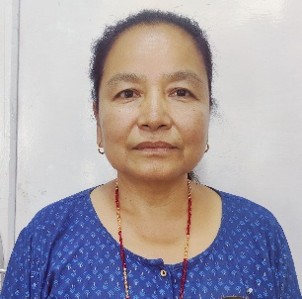
SUNTALI MAYA YONJAN
Hello, Namaste! I am Suntali Maya Yonjan. I am from Bijeshwari. I am a single mother. I have been separated from my husband 15 years ago as he had brought another woman. He is a driver and she gives me much pain when I am pregnant and in maternity labor I suffered a lot pain and endure it. I had worked in another person house many years and take care of my son and daughter. I am taking care of my elder sister as she is disabled. My son is now abroad and daughter got married. I am very happy to study here and got many things to learn. I want to thank to teachers and Founder.
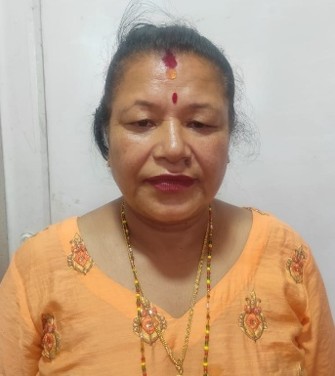
SURYA MAYA SHRESTHA
I am Surya Maya Shrestha from Yengal. I did not got chance to study as my mother did not love me since I born. I am being take care by my uncle. They treat me like their own daughter. I got married to good family. I had children. I have two daughters and a son. I am very happy to got chance to study nepali and math. I want to thank all of you teachers and Maria mam for opportunity to learn workshop and many things. I appreciated it a lot.
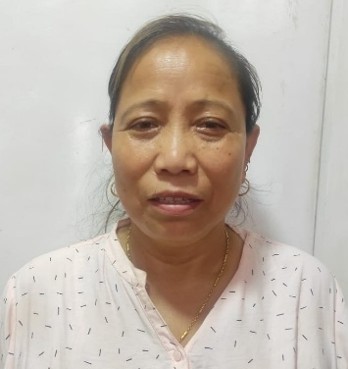
MAN MAYA TAMANG
Namaste, I am Man Maya Tamang from Chamati. I have two sons and one daughter. My husband is a driver. Before I had suffered a lot when my children were small. My husband did not look out for me so I had to feed my children, make them study in school. I have to take care mother in law as she gives me a lot of bad behaviour. I am being honest and simple girl so I take care of her as well. After coming here I am happy to have friends. I got opportunity to study as well. Thank you teachets and founder Maria mam.
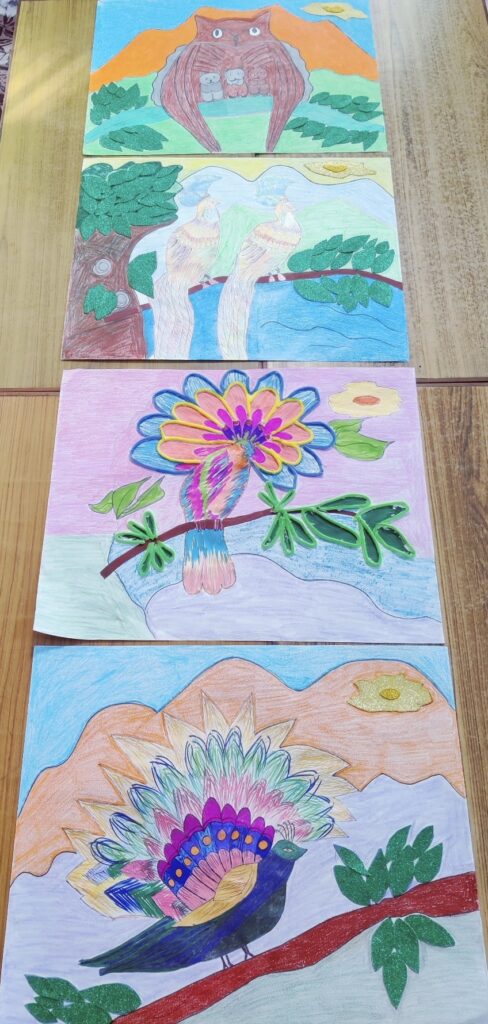
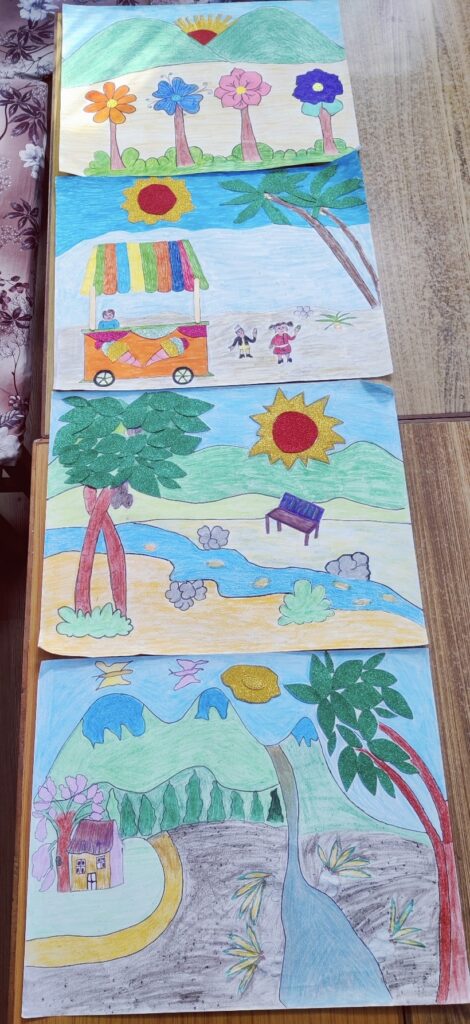
This month the TKN made with women Tribulation to sun and Summer drawing.
MARIA VILLALBA BADIA, FOUNDER
I WANT TO SHARE ABOUT THE PHRASES USEFUL IN OUR LIFE.
- LA PERSONA QUE SIGUE A LA MULTITUD NORMALMENTE NO IRÁ MÁS ALLÁ DE LA MULTITUD. LA PERSONA QUECAMINA SOLA, PROBABLEMENTE SE ENCONTRARÁ EN LUGARES DONDE NADIE HA ESTADO ANTES (Albert Einstein)
The person who follows the crowd will usually go no further than the crowd. The person who walks alone will likely find themselves in places where no one has been before. (Albert Einstein) in English. - QUIEN CARGA LEÑA PARA DAR CALOR A LOS DEMÁS NO MERECE MORIR CONGELADO EN LA TORMENTA (Proverbio chino)
He who carries firewood to warm others does not deserve to freeze to death in the storm (Chinese proverb) in English. - LA EDAD NO ENCIERRA EL MIEDO SÍ
AGE DOES NOT CONTAIN FEAR, IT DOES in English. - NACIDO HUMANO, VIVIENDO HACIA LA LUZ (Yu Meng Long)
Born Human, Living Towards the Light (Yu Meng Long) in English. - EL SENTIDO DE LA VIDA ES ENCONTRAR TU DON, EL PROPÓSITO DE LA VIDA ES REGALARLO (Sydney Suther Land)
The meaning of life is to find your gift; the purpose of life is to give it away (Sydney Suther Land) in English. - LA HONESTIDAD ES EL ÚNICO LUJO QUE PUDE COSTEARME
Honesty is the only luxury I could afford in English.e and listen a lot in English. - QUIEN NUNCA SE DEJA SER VÍCTIMA, NO LE DA AL OTRO NI UN CENTÍMETRO PARA ATACAR
Whoever refuses to play the victim gives the other person not even an inch to attack in English. - LA BONDAD NO SIGNIFICA PERMITIR QUE TE ROMPAN EL CORAZÓN UNA Y OTRA VEZ
Kindness does not mean letting your heart be broken over and over again in English. - AMAR NO DEBERÍA COSTAR LA DIGNIDAD
Loving shouldn’t cost you your dignity in English. - CUÍDATE DE LOS QUE TE PIDEN QUE CONFIES EN ELLOS ANTES DE HABERTE DADO UNA RAZÓN PARA HACERLO
Beware of those who ask you to trust them before giving you a reason to do so in English.
SHANTI MAHARJAN, TEACHER
I want to share some thought of mine about Living goddess of Nepal-Kumari.
Living Goddess of Nepal – Kumari
The *Kumari*, popularly known as the “Living Goddess of Nepal,” is one of the most unique and culturally significant traditions of the Kathmandu Valley. The Kumari is a pre-pubescent girl who is traditionally regarded as the living embodiment of *Goddess Taleju*, a powerful deity associated with the Malla royal tradition. The tradition reflects the close relationship between *Hinduism and Buddhism* in Nepal, as the Kumari is selected from the *Newar Buddhist Shakya community* and is revered by followers of both religions. The most famous is the *Kumari of Kathmandu*, who traditionally resides in the *Kumari Ghar at Kathmandu Durbar Square*. Selection of a Kumari involves traditional religious and cultural criteria, including her physical characteristics, health, and other ritual requirements. After selection, she is treated with great respect and participates in important religious ceremonies and festivals. One of the most significant occasions is *Indra Jatra*, during which the Kumari is carried through the historic streets of Kathmandu in a ceremonial chariot and worshipped by large numbers of devotees. She also traditionally appears during other important cultural and religious occasions. The Kumari’s role is not only religious but also deeply connected with the *history, art, architecture, festivals, and social traditions of the Kathmandu Valley*. The Kumari Ghar itself is an important example of traditional Newar architecture, featuring a richly decorated courtyard, intricately carved wooden windows, and traditional brick construction. When the Kumari reaches puberty or certain other traditionally recognized conditions occur, her period as the living goddess ends, and another girl is selected according to the customary process. The Kumari tradition continues to be an important symbol of *Nepal’s cultural identity, religious harmony, and living heritage*, connecting present-day society with the historical traditions of the Kathmandu Valley.
URIKA PRADHAN, TEACHER
I want to share about Buddha saying and teachings which are useful in our lives.
- Shakyamuni, Buddha Siddhartha Gautam said “There is nothing more dreadful than the habit of doubt. Doubt separates people. It is a poison that disintegrates friendships and breaks up pleasant relations. It is a thorn that irritates and hurts; it is a sword that kills.”
- “No one saves us but ourselves. No one can and no one may. We ourselves must walk the path.”
- “All that we are is the result of what we have thought: it is founded on our thoughts and made up of our thoughts. If a man speak or act with an evil thought, suffering follows him as the wheel follows the hoof of the beast that draws the wagon…. If a man speak or act with a good thought, happiness follows him like a shadow that never leaves him.”
- “Peace comes from within. Do not seek it without.”
- Budhha Siddhartha Shakyamuni said “Do not believe in anything simply because you have heard it. Do not believe in anything simply because it is spoken and rumored by many. Do not believe in anything simply because it is found written in your religious books. Do not believe in anything merely on the authority of your teachers and elders. Do not believe in traditions because they have been handed down for many generations. But after observation and analysis, when you find that anything agrees with reason and is conducive to the good and benefit of one and all, then accept it and live up to it.”
- “Three things cannot hide for long: the Moon, the Sun and the Truth.”
- “Your purpose in life is to find your purpose and give your whole heart and soul to it”
- “Let us rise up and be thankful, for if we didn’t learn a lot at least we learned a little, and if we didn’t learn a little, at least we didn’t get sick, and if we got sick, at least we didn’t die; so, let us all be thankful.”
- “If you do not change direction, you may end up where you are heading”
- “If we could see the miracle of a single flower clearly our whole life would change.
KHEMA SHRESTHA (SADIKSHYA), TEACHER
I want to share some facts about Indrajatra in Kathmandu valley.
Indra jatra is take place in Kathmandu valley by newar community society. In this jatra has been started for Lord Indra who was god of heaven (known as god of Rain as well) and living Goddess Kumari. Indra jatra is celebrated for 8 days in Kathmandu valley.
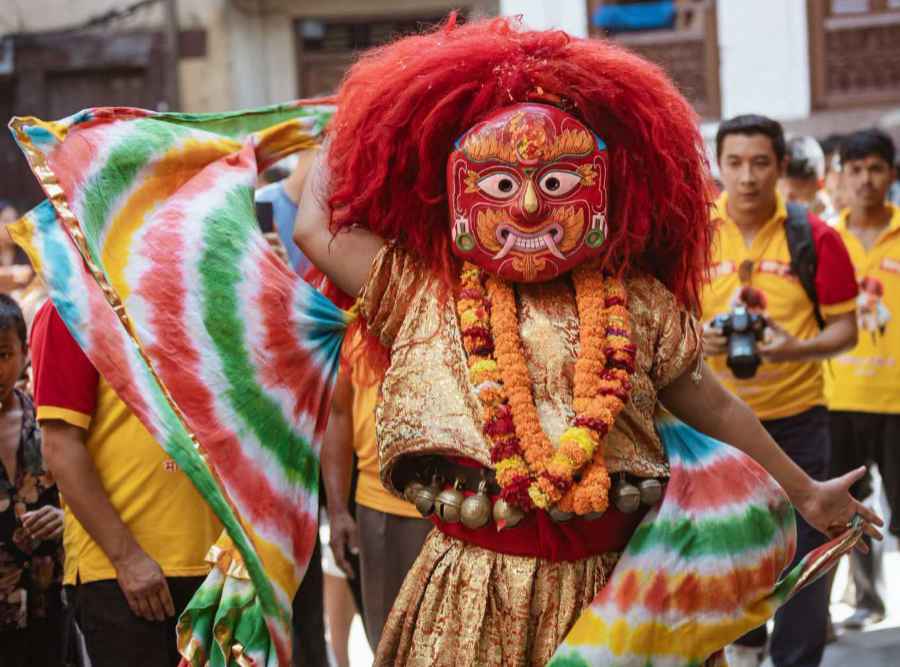
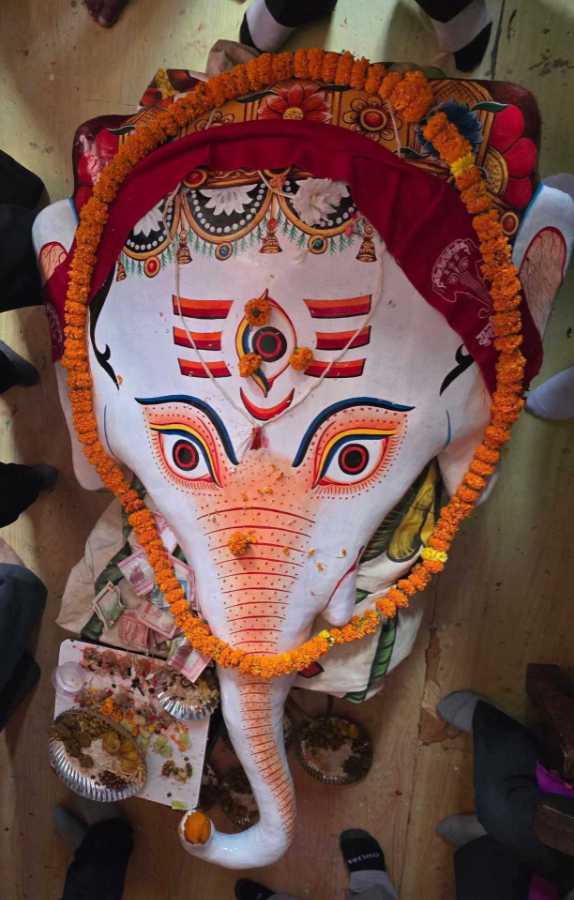
The festival is started with the raising of a sacred wooden pole (Lingo) at Basantapur Durbar Square. In this jatras, Features chariot processions of lord Goddess Kumari, Lord Ganesh, and lord Bhairav, with dance of masked god Lakhe(devil but good deeds) and god Pulu Kisi (elephant). Thenjatra ends with the lowering of ceremonial pole located at hanuman dhoka. Indrajatra is celebrated to thank Lord Indra for rain and a good harvest, honor living deities, and remember family members who died during the past year. People thank Indra, the king of heaven and god of rain, for water that helps crops grow. The festival recreates the myth of Indra coming to earth in disguise, getting captured for stealing flowers, and being released after his mother promised enough winter dew and good crops. Families walk paths with oil lamps, lighting incense to remember and pray for relatives who passed away in the previous year.
TKN women plays DRAMA about environment cleaning and handling garbages.
Title: The Trash Talkers
Setting: A local neighborhood park corner with two distinct bins: green (organic/recycling) and black (dumping site).
Tone: Lighthearted, witty, and educational.
Characters:
AARAV (Age 18): Enthusiastic environmental student.
ROHAN (Age 18): Aarav’s friend, careless with trash.
SNEHA (Age 18): Practical friend, relies on convenience, quick to learn.
THE DUMPING SITE (Voiceover/Actor with a oversized black sack): Grumpy, overwhelmed.
THE RECYCLER (Voiceover/Actor with a green bin accessory): hungry for clean materials.
ROHAN:
(Crushes a plastic bottle and casually tossed it toward the grass, missing the bin completely)
Ah, great game today!
AARAV:
(Instantly stands up and freezes, pointing at the bottle)
Rohan. Foul! Red card!
SNEHA:
(Laughs)
Relax Aarav, it’s just one bottle. The street sweepers will get it.
AARAV:
«Just one bottle» multiplied by eight billion people is eight billion bottles taking 450 years each to decompose!
THE DUMPING SITE:
(Pokes head out from behind the black bin, groaning in a raspy voice)
Please… no more! I’m already stuffed with plastic bags, electronic scrap, and half-eaten burgers! I can’t breathe!
ROHAN:
(Jumps back, startled)
Who said that?!
THE RECYCLER:
(Appears next to the green bin, waving excitedly)
Hey! Over here! Send that bottle my way! Clean PET plastic is my favorite afternoon snack! I turn it into t-shirts, carpet fibers, and new bottles!
SNEHA:
Wait… so if we sort our trash, it actually gets reused?
AARAV:
Exactly! Waste isn’t garbage until you mix it together. Separating it at the source turns trash into resources.
ROHAN:
(Picks up his crushed bottle, looking sheepish)
So… plastic and soda cans go to the green bin?
THE RECYCLER:
Yes! Empty, dry, and clean!
SNEHA:
What about these leftover banana peels and wrapper from my lunch?
AARAV:
Banana peel goes into organic waste for composting—it turns into rich soil! The foil wrapper goes into landfilled waste.
ROHAN:
(Tosses the plastic bottle into the green bin)
How’s that, Recycler?
THE RECYCLER:
(Makes a satisfaction sound)
Delicious! 10 out of 10!
THE DUMPING SITE:
(Sighs with relief)
Thank you! Less pressure on me means less soil pollution and micro plastics in your drinking water.
SNEHA:
(Gives Rohan a soft nudge)
See? Small habit, huge impact.
AARAV:
(To the audience)
Managing waste starts in your hands. Reduce what you buy, reuse what you can, and always segregate before you discard!
THE END…
Maria Villalba Badia
Fundadora y Directora