

Queridos/as Amigos/as
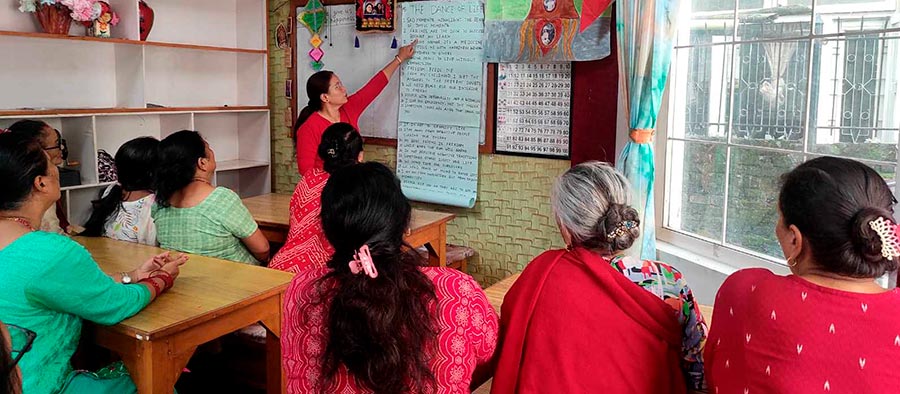
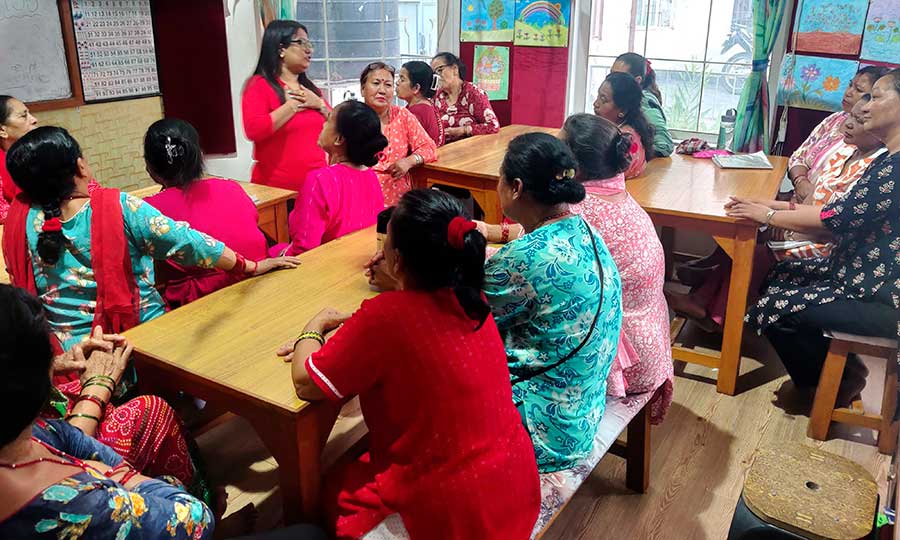
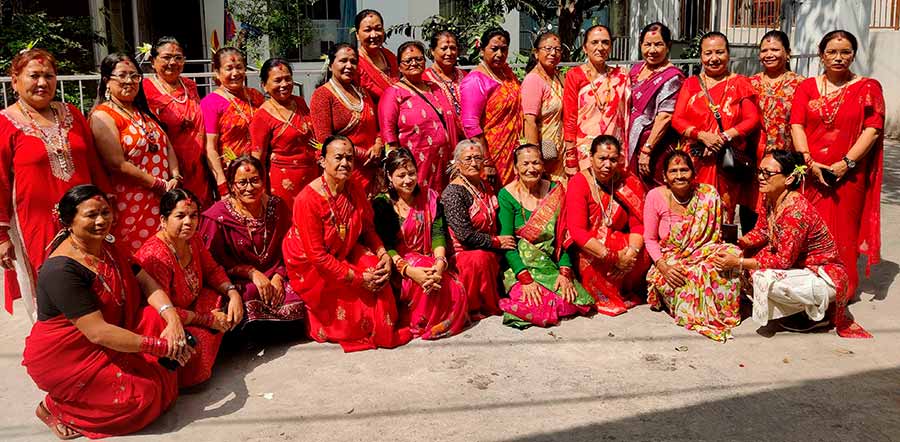
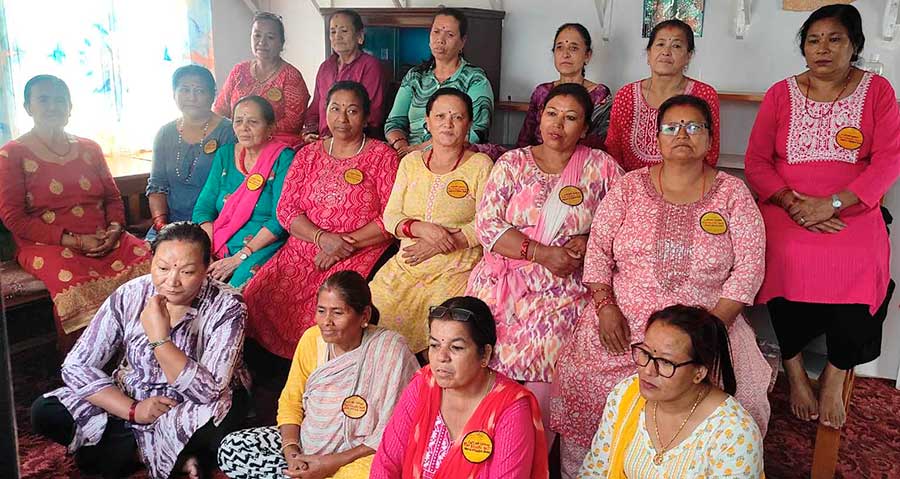
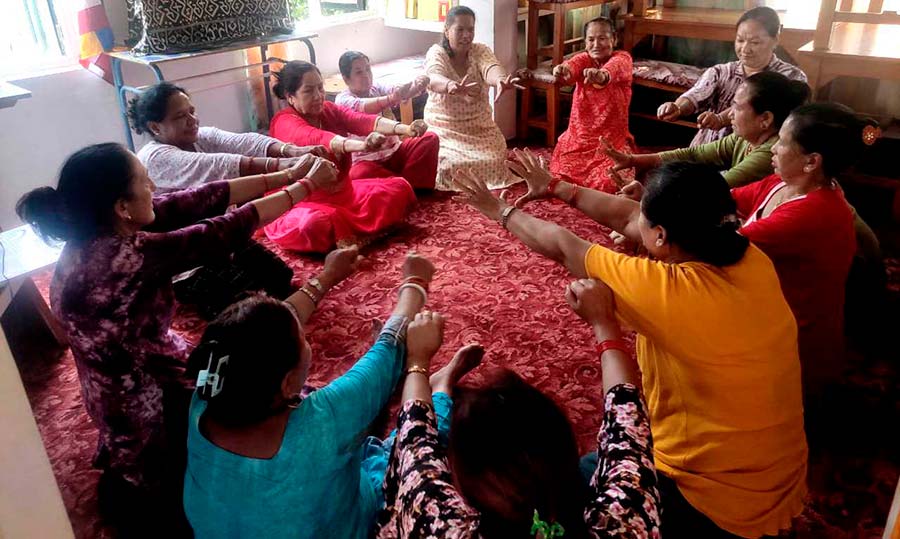
Gracias a nuestras entusiastas profesoras Sadikshya, Shanti y Eureka, en nuestro Cultural Center EL NIU FELIÇ – THE KHUSHI NEST, de Katmandú (Nepal), estamos dando a nuestras alumnas una EDUCACION INTEGRAL de gran calidad, como vais a ver en este resumen de nuestras actividades del mes de Septiembre 2025.
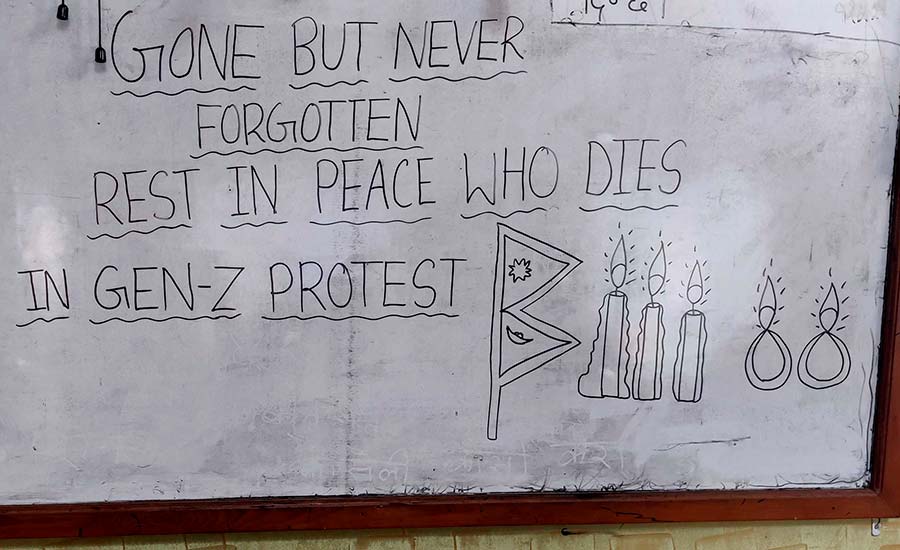
En la pizarra escribimos en los días de la rebelión de los jóvenes contra la corrupción del gobierno:
«SE FUÉ PERO NUNCA SE OLVIDARÁ.
DESCANSE EN PAZ QUIEN MUERA EN LA PROTESTA DE LA GENERACIÓN Z»
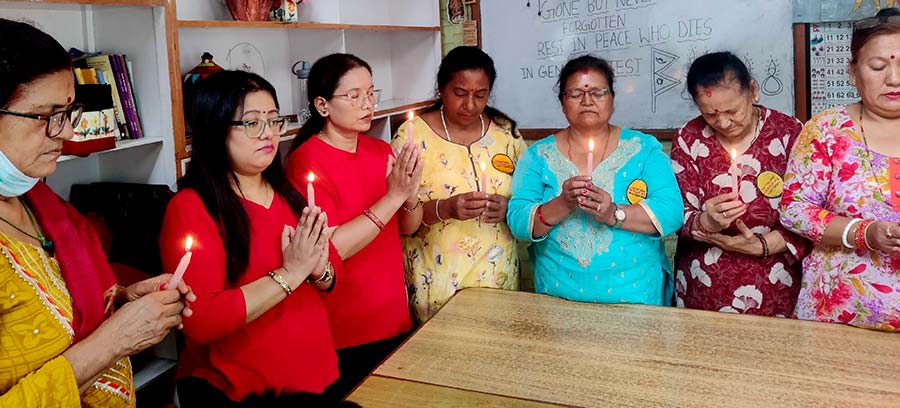
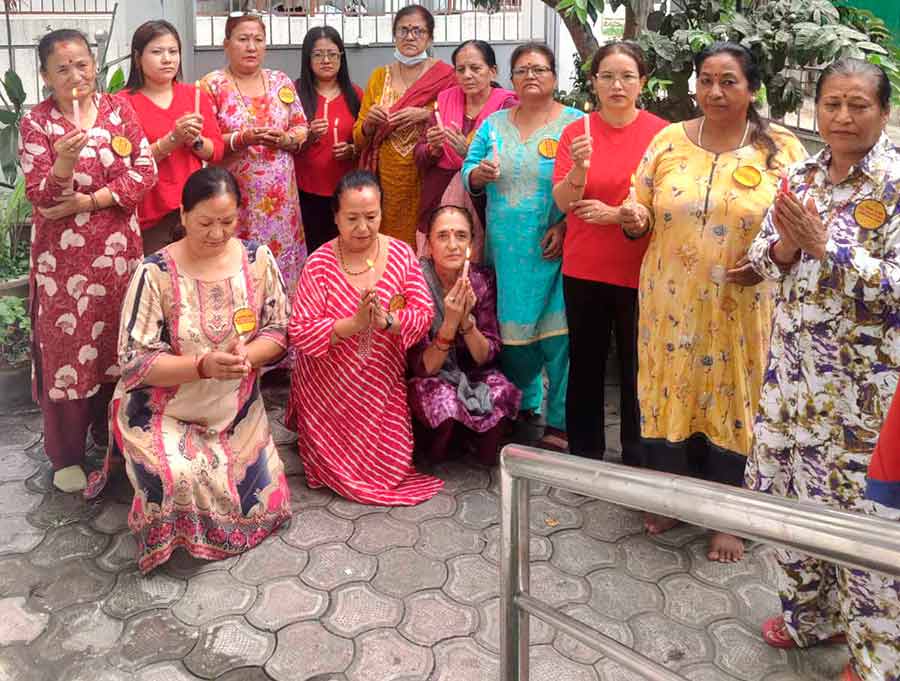
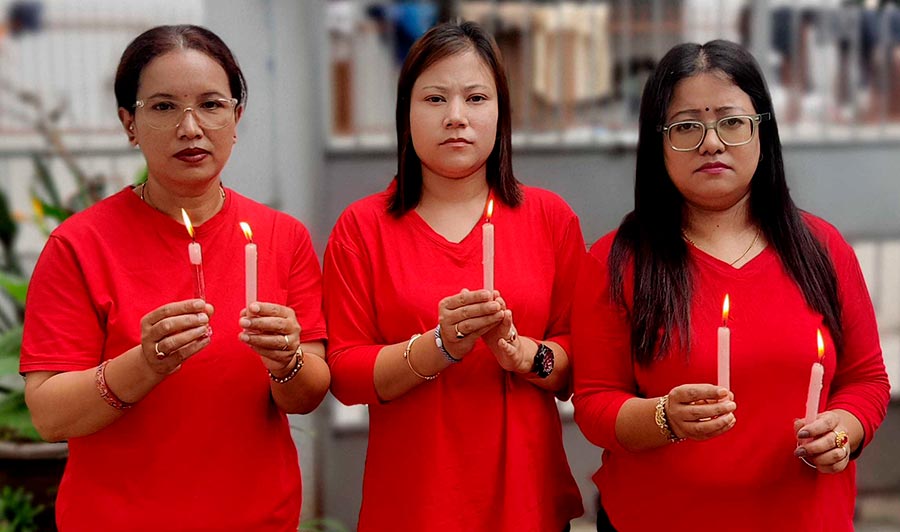
les rendimos homenaje todas juntas con oraciones y velas.
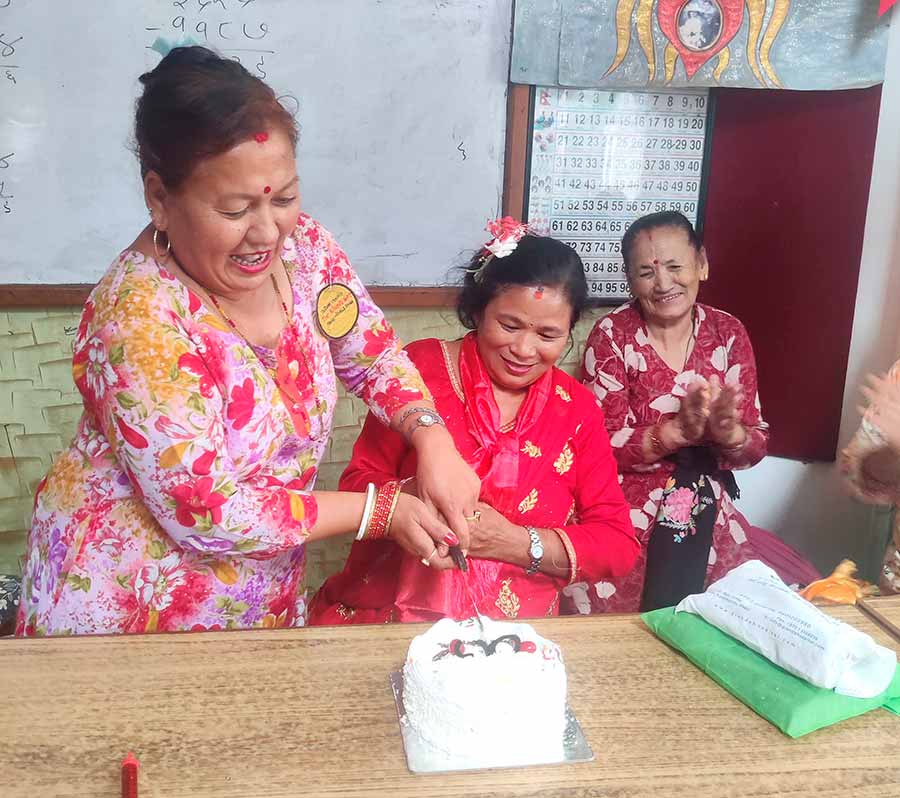
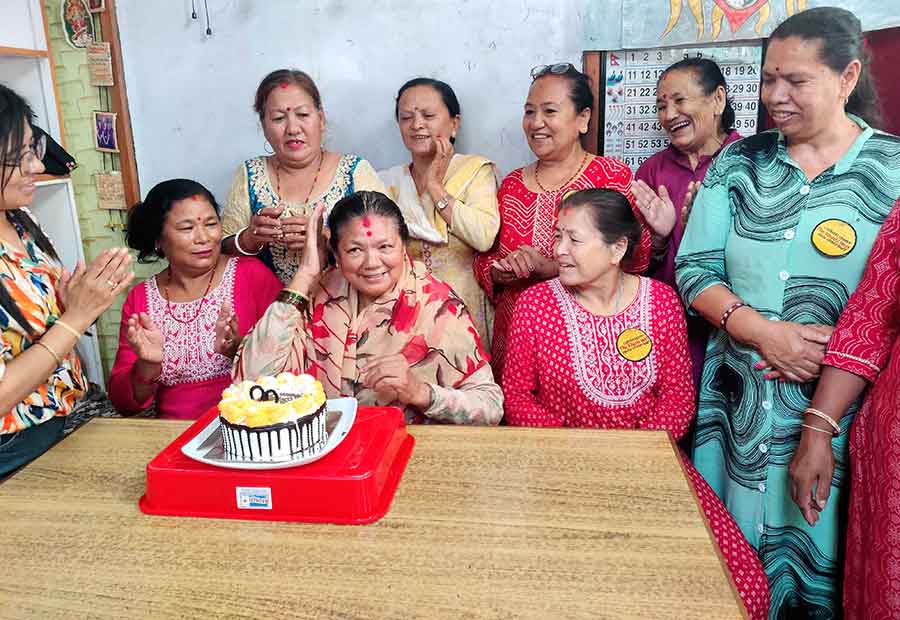
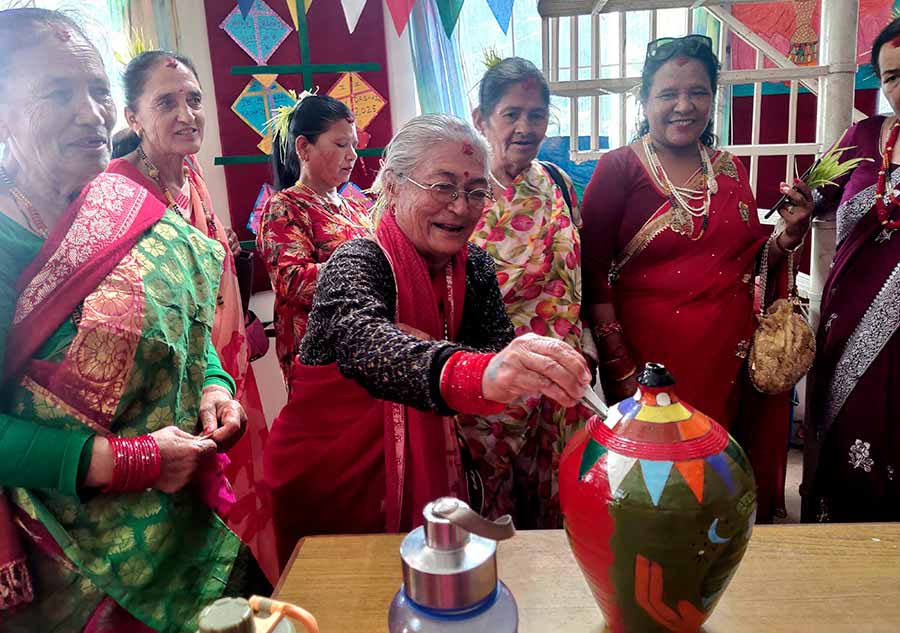
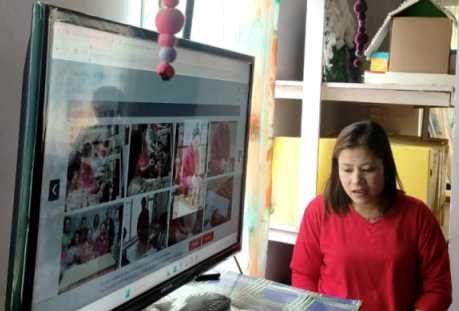
Las clases de Nepalí, Matemáticas, Inglés, Ciencias sociales, Filosofía, Yoga siguen su curso con exámenes incluidos y lectura de algunos Pensamientos de la Fundadora. Celebramos Cumpleaños, poniendo dinero en la hucha de la Viuda. Miramos Vídeos constructivos, preparamos Medicinas ayurvédicas. Enseñamos nuevas Recetas culinarias…
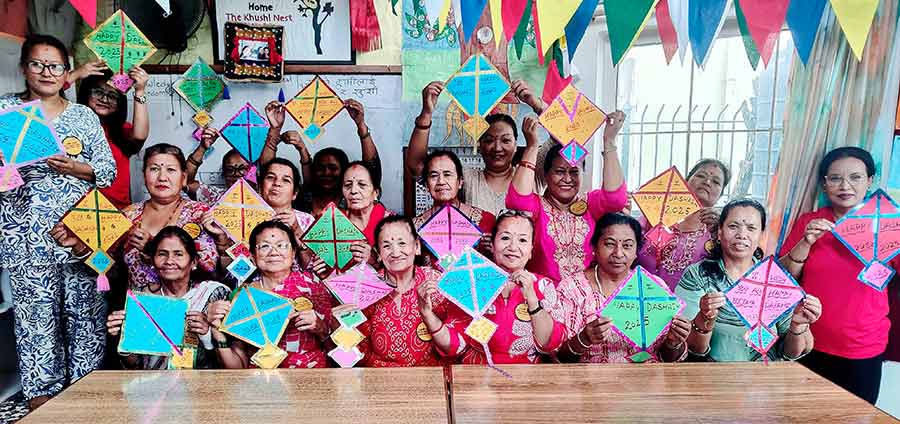
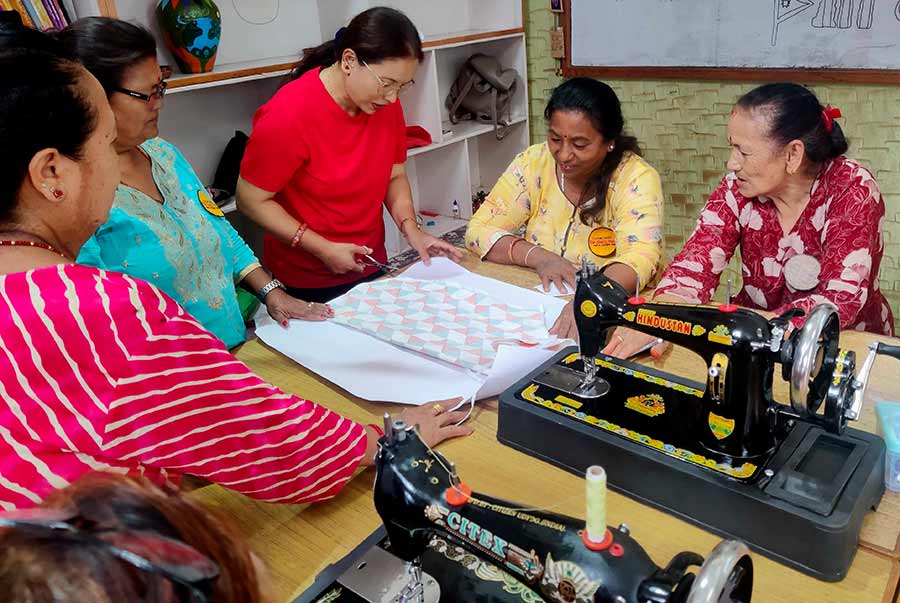
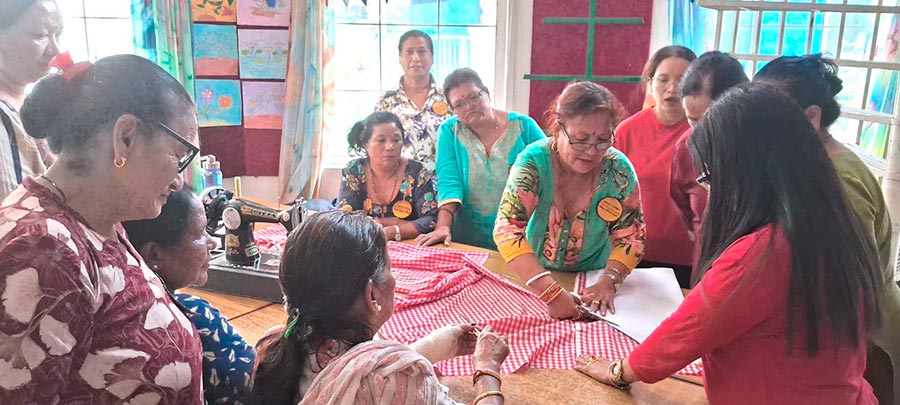
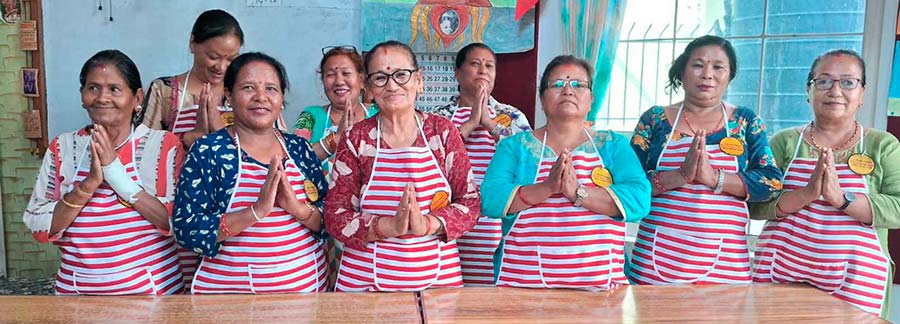
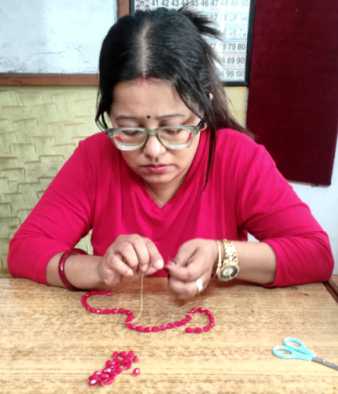
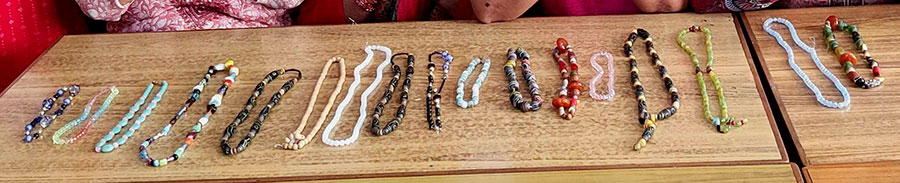
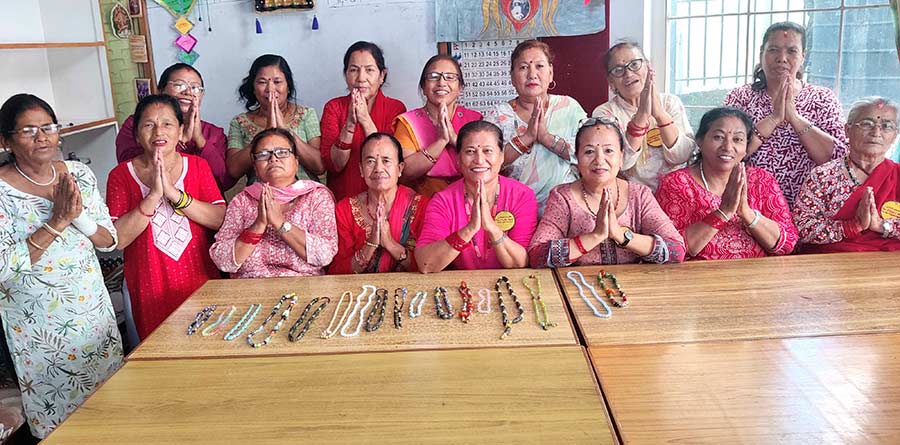
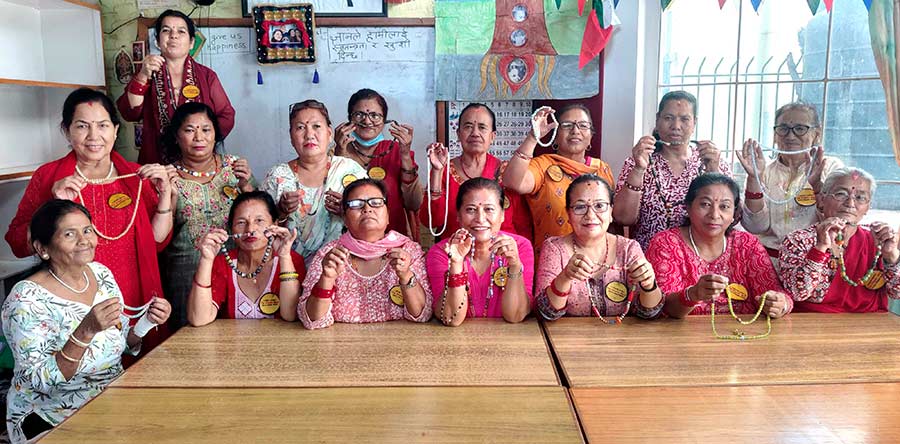
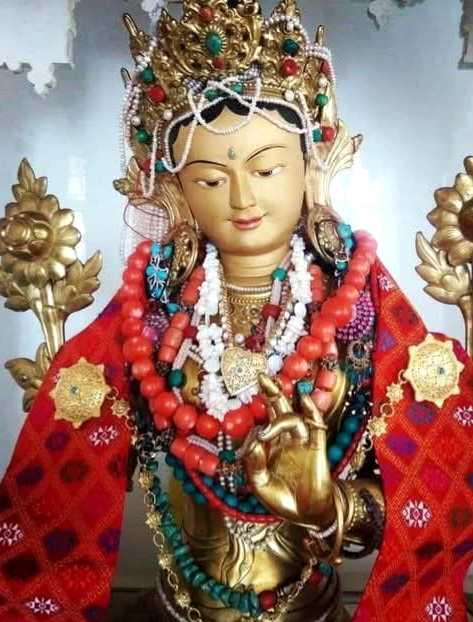
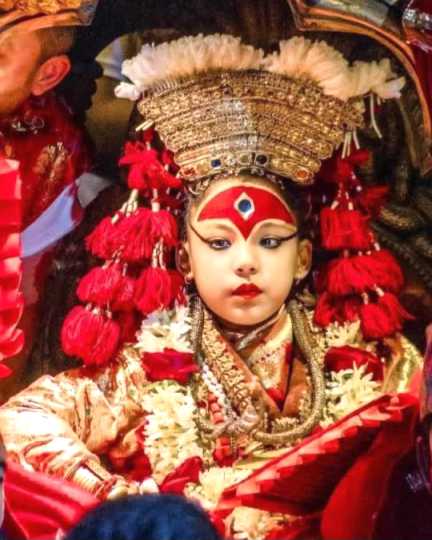
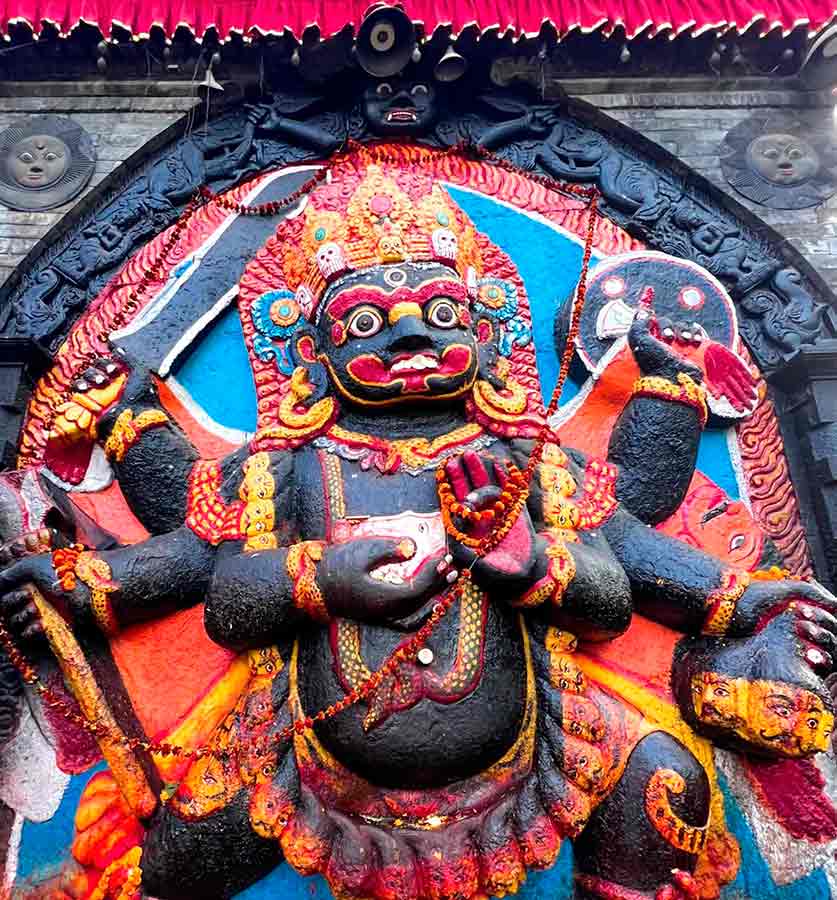
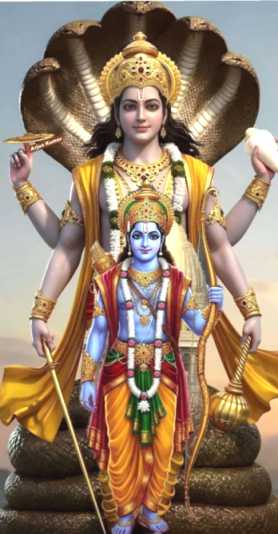
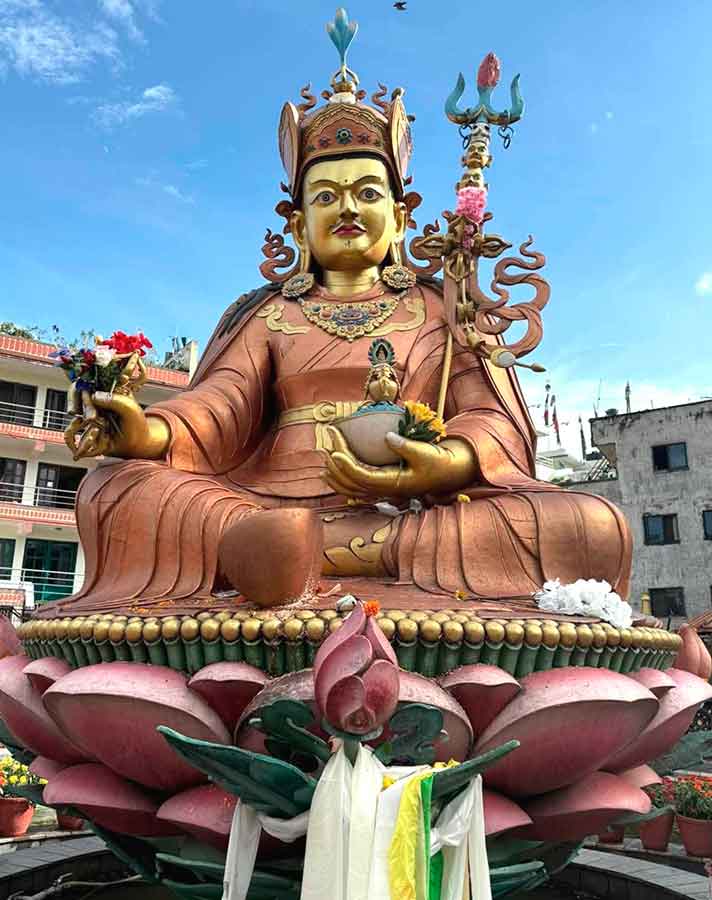
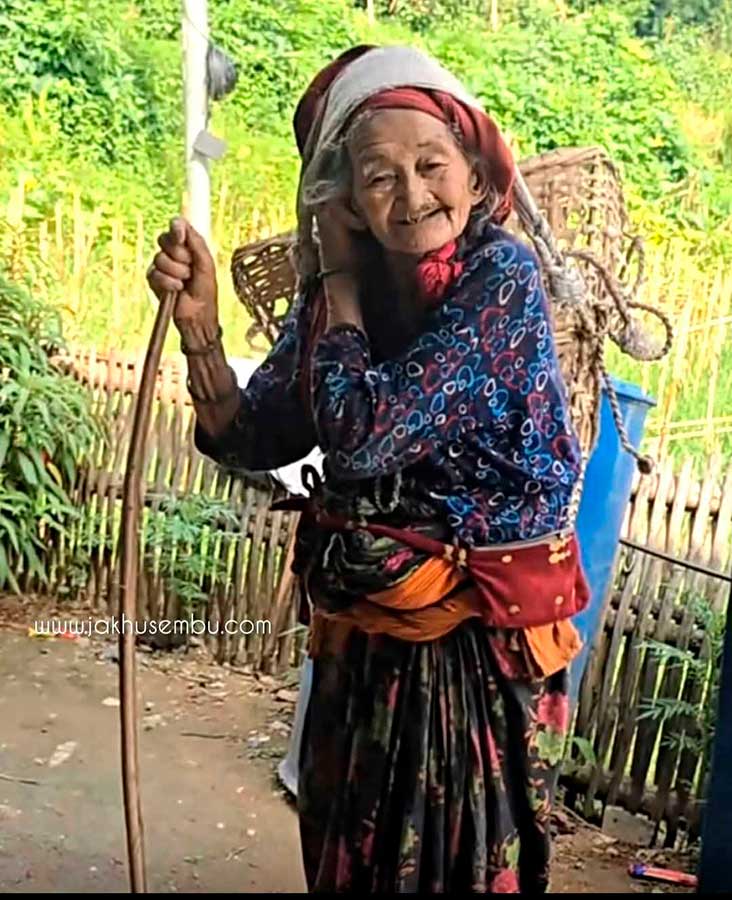
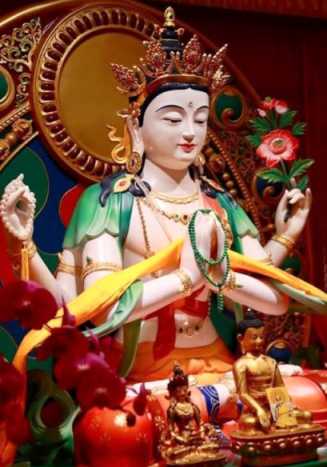
Disfrutamos de los creativos Talleres de Cometas, Delantales, Collares… Las alumnas aportan su colaboración con las Fotos que hacen de sus dioses y vida cotidiana
Como veis, no paramos para ser felices y aportar nuestros talentos a la Sociedad.
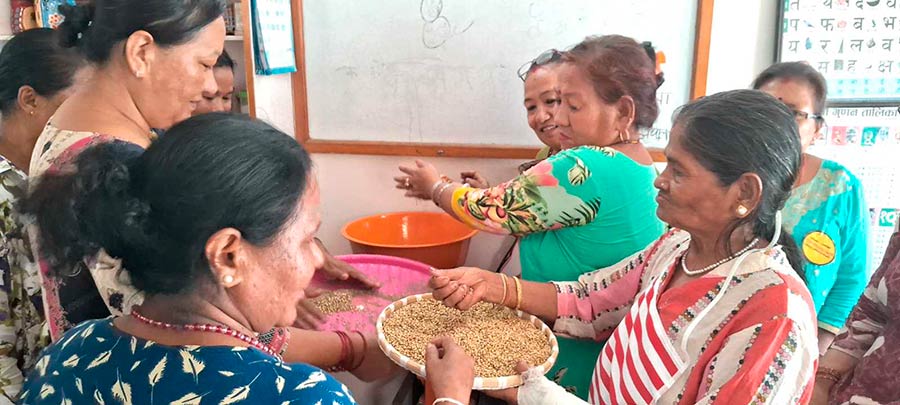
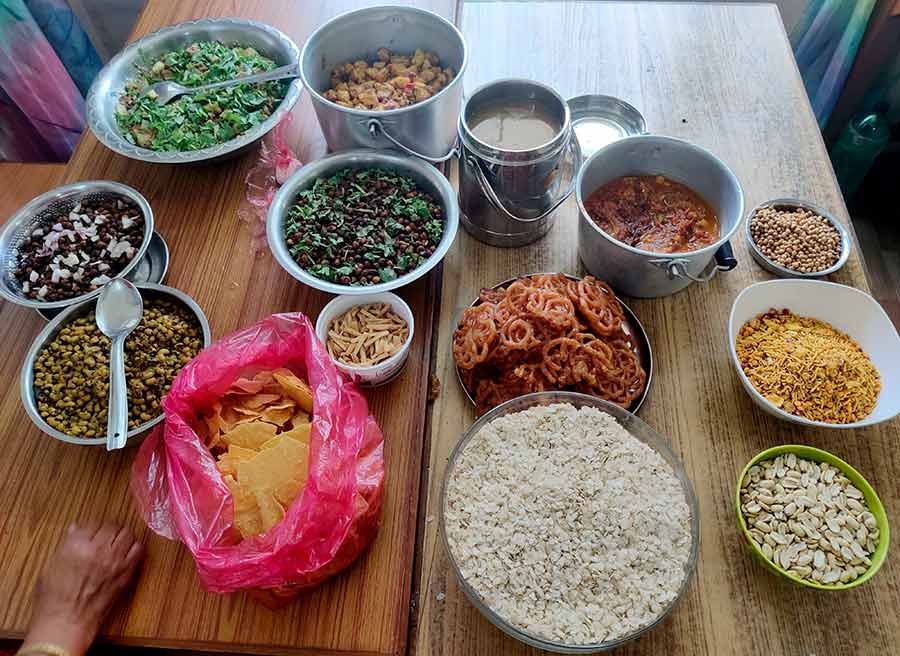
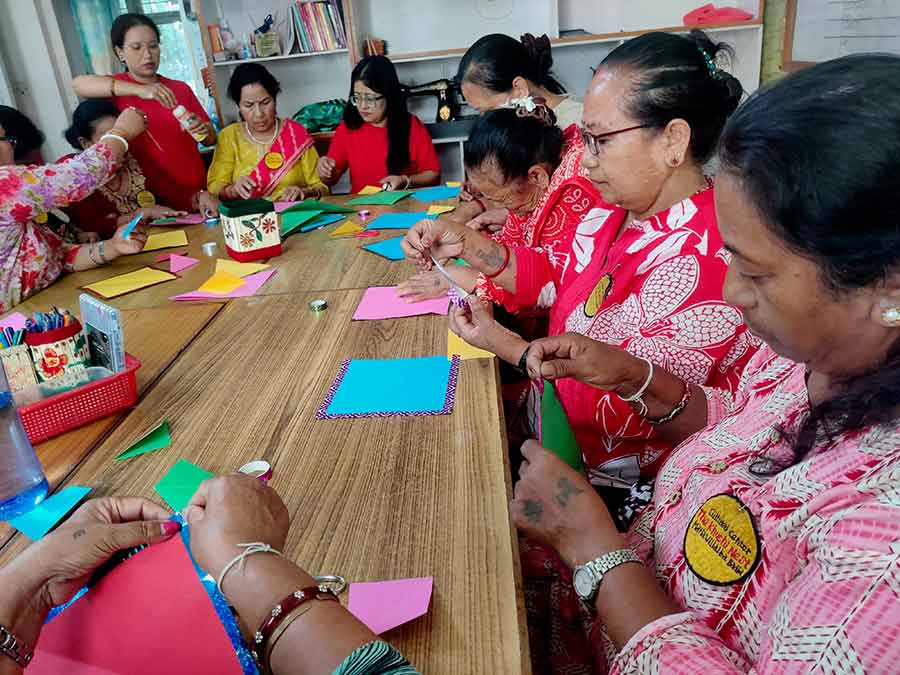
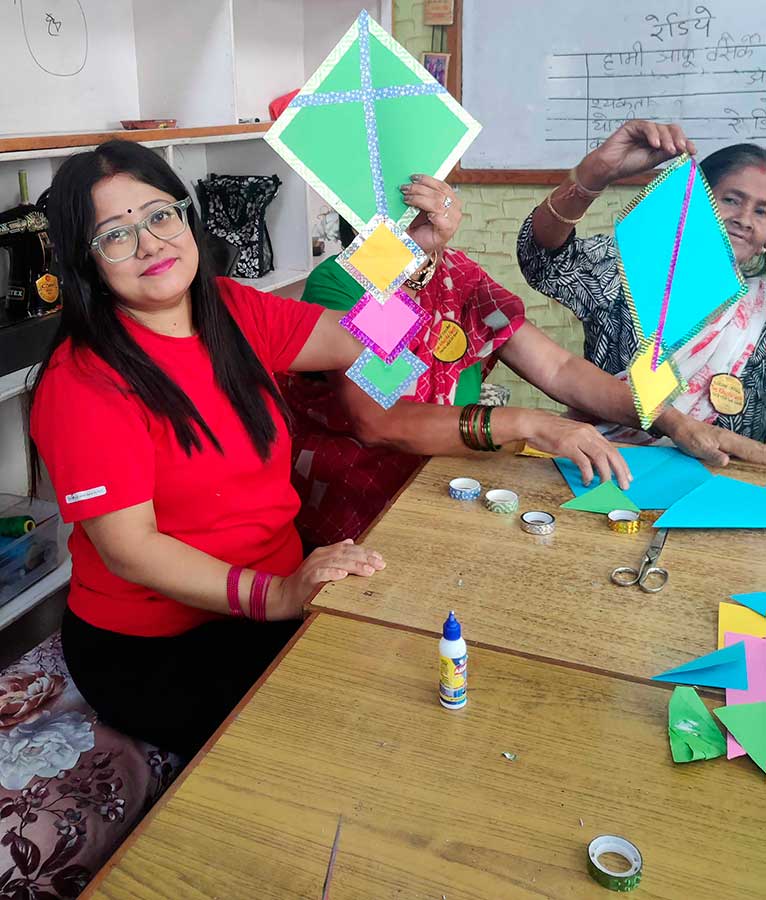
Cultural Center EL NIU FELIÇ – THE KHUSHI NEST
THE KHUSHI NEST TIMES
DIFFERENT PHASES OF WOMEN
14th September 2025

Shanti Tamang
She is from Siuchatar, Kalanki. She is 50 years old. is very happy to come in TKN and be part of it. She wishes for education in her life. She wants to study. She feel very satisfying after coming here. I am very surprised after coming in TKN. Teachers gave us many training, activities and education as well. I have two daughters to share my feelings and thoughts, they had gone abroad to study. I also like to learn training activities, since long time I am working in own restaurant, she could not go to more places, after coming here I have many friends and I do have school to learn. I am so happy for this at this age. I want to study since childhood but I could not fulfill it and now after coming here I am only feeling like always studying. I want to tell Maria, Thank you.

Chandra Maya Maharjan, 64 years old
She lives in Dhalko, Chhetrapati. She wanted to study many years before, she had studied in some literacy classes but could not continue, after having three daughters and a son, they are living their family life, I want to learn, read and write. Her one daughters lives in Australia so when she goes there she can read and write in English very well. She have a dream to be a learned lady. After knowing about this organization, she can come study, read and write and many workshop too. She is very much happy to come in TKN. She makes friends after coming here, having companionship. She is happy with her life. Sometimes she felt shocked and surprised not to be educated, she was not able to read and study in the schools. She feels grief for this but now she is coming here and studying Nepali. I want to thank Maria for making all women studying and giving many kinds of training and workshops.

Saraswati Maharjan, 50 years old
This lady has separate life stories comparing to other women. She do not want to talk much about her life as she had suffered mental disturbance and violent behavior from her husband in past few months. She felt like trapped in prison after divorcing and living separately from her husband she feels like a bird escape from the cage. She has one daughter who supports her and she agree to be separate from his father. It has become some months. She stays with her mother family and treat well but in Nepalese society after married if daughter came to stay with mother society and relatives will treat badly and humiliated. She thought only education makes her life better, free and improve. She wants to forget all the pain she had suffered so after coming here, she likes to smile and wants to talk to friends. She has many friends after coming here. She is happy to study Nepali and Math, all teachers are very supportive, nice and very good. I am also learning workshop useful in our life so thank you to Maria for all this help and support for the women like us.
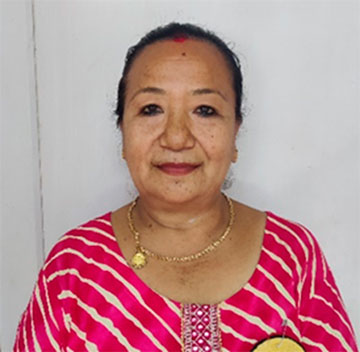
Renu Maharjan, 60 years old
She is from Chamati. She has business since long time before” making meat items named “Sanya khunna” in winter season. It is seasonal but very demanding. She has two daughters and one son with her. Some got married and other is doing job. She is okay with her life. When she has a problem, she shares with their daughters and sisters but after coming here in TKN, teachers also feels like daughters and friends. She likes to come and study as in childhood she could not got chance to study busy in doing household work and farm. She is very happy to come here learn, to read and write; study Nepali and math. She is very happy to learn workshop as well, it is very useful in daily activities for women to be self-made and independent. Learning many workshops and activities makes us really happy and refresh. Thank you to Maria for all these opportunity and all teachers for their hard work.
SHANTI MAHARJAN, Teacher
Corruption in Nepal
Corruption in Nepal has become one of the most serious problems holding the country back. It is deeply rooted in politics, government offices, and even everyday systems, making people lose faith in their leaders and the state. Even though laws have been made and agencies created to fight corruption, the results are weak because powerful people often interfere, and justice rarely reaches ordinary citizens. Every year, billions of rupees are lost, but those responsible are rarely punished. This unfairness has created frustration, especially among young people who feel ignored and cheated by those in power.
In September 2025, this frustration exploded when thousands of young people, known as “Gen Z protesters,” came out into the streets. At first, they protested against the government’s sudden decision to ban social media, but their anger quickly turned into a bigger fight against corruption, unemployment, and lack of transparency. The protests spread across the country and turned violent, leaving dozens dead and hundreds injured. Public pressure grew so strong that the Prime Minister was forced to resign. In his place, an interim government was formed, promising to make leaders accountable, review anti-corruption laws, and prepare for new elections.
These events have given people some hope, but Nepal still faces big challenges. New laws now hold civil servants responsible not only for abusing power but also for delays or indecision that cause harm to the public. However, enforcement is still weak, and many powerful elites continue to act without fear of punishment. Even so, the youth have shown that they are no longer willing to accept corruption and injustice. Their courage and demand for fairness, transparency, and equal opportunities show that Nepal has a chance to change for the better. If the interim government and future leaders keep their promises and act honestly, the country could move toward a brighter and corruption-free future. But if nothing changes, public anger will grow even stronger, and unrest may return.
URIKA PRADHAN, Teacher
I want to share about the recent incident of Zen-z protest and biggest festival of hundu Dashain.
The protests are led primarily by young people (often called “Gen Z”) and were triggered by the government’s decision to ban/unblock social media platforms (26 platforms were impacted including big names like Facebook, X (formerly Twitter), YouTube) due to non‑compliance with a registration/oversight directive.
They also reflect broader grievances: corruption, economic hardship, lack of accountability in governance.
The government responded with force: curfews, tear gas, water cannon, rubber bullets, and in some cases live ammunition. Protests became violent in parts, including attempts by protesters to storm Parliament.
At least 19 people were killed (some sources might say more), many injured. The social media ban was eventually lifted.
The government has announced investigations, compensation, formation of technical committees for classifying victims, etc.
The Dashain festival is the most important and widely celebrated Hindu festival in Nepal. It holds deep religious, cultural, and social significance. Here’s a breakdown of its importance:
1. Religious Significance;Victory of Good over Evil:
Dashain celebrates the triumph of the goddess Durga over the demon Mahishasura, symbolizing the victory of righteousness over evil.
Worship of Goddess Durga: The festival honors the nine forms of Durga during the first nine nights (Navaratri), each representing different aspects of power, protection, and prosperity.
Blessings for Protection and Strength: People pray for divine blessings, strength, and protection from misfortune.
2. Family and Social Bonding; Family Reunions:
Dashain brings together families, often from far and wide, as many Nepalis working abroad or in cities return home to celebrate.
Receiving Tika and Blessings: Elders offer Tika (rice mixed with yogurt and red vermilion) and Jamara (barley sprouts) to younger members, along with blessings for health, prosperity, and long life.
Strengthening Generational Ties: The ritual reinforces respect for elders and unity among family members.
3. Cultural Significance; National Identity:
Dashain is celebrated by people of almost all ethnicities and castes in Nepal (regardless of religion in some cases), making it a symbol of national unity.
Customs and Traditions: Includes flying kites, building bamboo swings (ping), buying new clothes, animal sacrifices, and festive cooking — all rooted in centuries-old customs.
4. Economic Impact; Boosts Economy:
It’s the biggest shopping season in Nepal. Sales of clothes, electronics, food, livestock, vehicles, etc., increase significantly.
Bonuses and Holidays: Employers give Dashain bonuses, and there’s a long public holiday (typically 10-15 days), which supports travel, tourism, and business.
5. Symbolic Rituals and Practices; Animal Sacrifices:
Offered to Durga to symbolize the destruction of evil and for prosperity. Goats, buffaloes, and chickens are sacrificed, especially on Maha Ashtami and Maha Navami.
Jamara Planting: Barley seeds are sown on Ghatasthapana, symbolizing fertility, growth, and renewal.
MARIA VILLALBA BADIA
I want to put some phrases which will be given below.
- LIVING WITHOUT DIGNITY IS ALREADY DYING (MVB)
- NEVER LOSE AN AUTHENTIC PRESENT FOR AN UNCERTAIN FUTURE (MVB)
- You ask me why I buy rice and flowers? I buy rice to live and flowers to have something to live for!!! (Confucius)
- IT’S VERY GOOD TO GET DISCOURAGED, BECAUSE WHEN YOU RECOVER, YOU DO SO WITH MORE STRENGTH!!! (MVB)
- THE CAGED BIRD BELIEVES THAT FLYING IS A DISEASE!!!
- IF NO ONE OBEYS, NO ONE COMMANDS!!! (YOLANDA, victim of DANA)
- ENJOY THE HAPPINESS YOU HAVE RIGHT NOW, BECAUSE EVERYTHING CAN CHANGE FOR THE WORSE!!! (MVB)
KHEMA (SADIKSHYA) SHRESTHA, Teacher
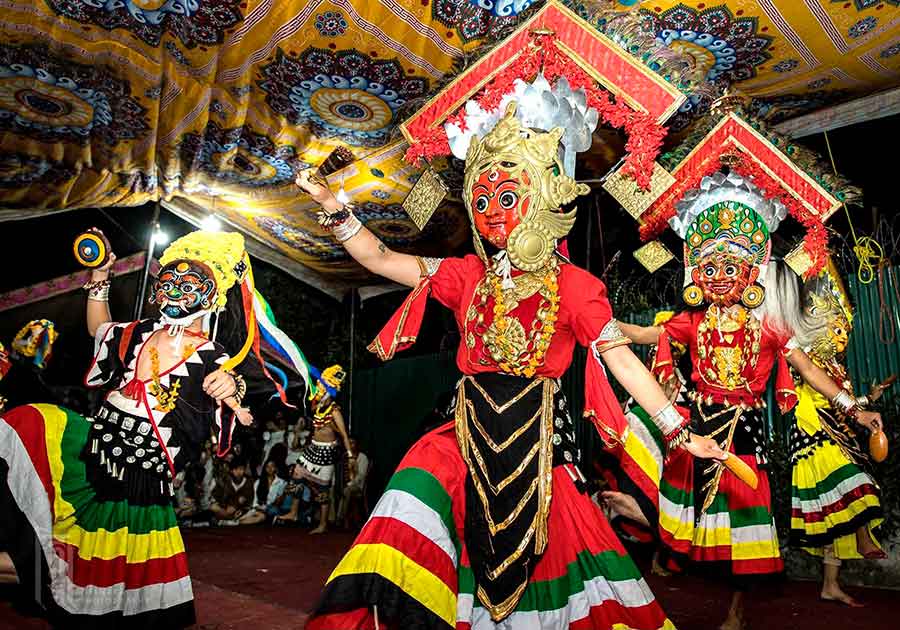
This month, we have a Jatra involve in KTM, so I want to describe about the jatras and influence of cultural heritage of Kathmandu, Lalitpur and Bhaktapur.
In Kathmandu, cultural heritage and Jatras are deeply interwoven, with the festivals serving as dynamic expressions of the valley’s rich traditions, spiritual beliefs, and community life. They preserve ancient customs, foster community bonds through shared experiences, reinforce a collective cultural identity, and contribute to the local economy by attracting tourists. Jatras transform the city into a vibrant, living museum, showcasing the distinct cultural heritage of the Newar community through colorful processions, music, and dance.
Key Aspects of Their Importance:
Preservation of Culture: Jatras are vital in keeping ancient Newar traditions, customs, and religious practices alive, ensuring their continuity through ritual, dance, and music.
Spiritual and Religious Significance: These festivals are deeply spiritual, offering a time for devotees to seek blessings and reconnect with the divine, such as during Indra Jatra, which honors the god of rain.
Community and Social Cohesion: Jatras provide a platform for families and communities to come together, sharing food, exchanging blessings, and reinforcing bonds of unity, love, and camaraderie.
Cultural Identity: The festivals play a crucial role in nurturing and strengthening the cultural identity and pride of the Newar people within the Kathmandu Valley.
Economic Benefits: As major cultural attractions, Jatras draw domestic and international tourists, which boosts local businesses, markets, and the economy of the region.
Urban and Social Fabric: The processions, music, and festive atmosphere during Jatras bring the historic streets of Kathmandu alive, transforming them into a stage for cultural expression and a spectacle for both locals and visitors.
Historical Continuity: Festivals like Gai Jatra and Bisket Jatra have roots in historical periods, such as the Malla era, and continue to be celebrated, linking the past with the present and demonstrating the deep historical foundations of the valley’s culture.
The End…
Esto es lo que os deseamos de todo corazón a vosotros, porque proporciona una gran ALEGRÍA
¡¡¡Recibid un Gran, Fuerte y Cálido Abrazo de todo el Equipo!!!
continuará…
Maria Villalba Badia
Fundadora y Directora